
What Happens if You Drive with Expired Registration

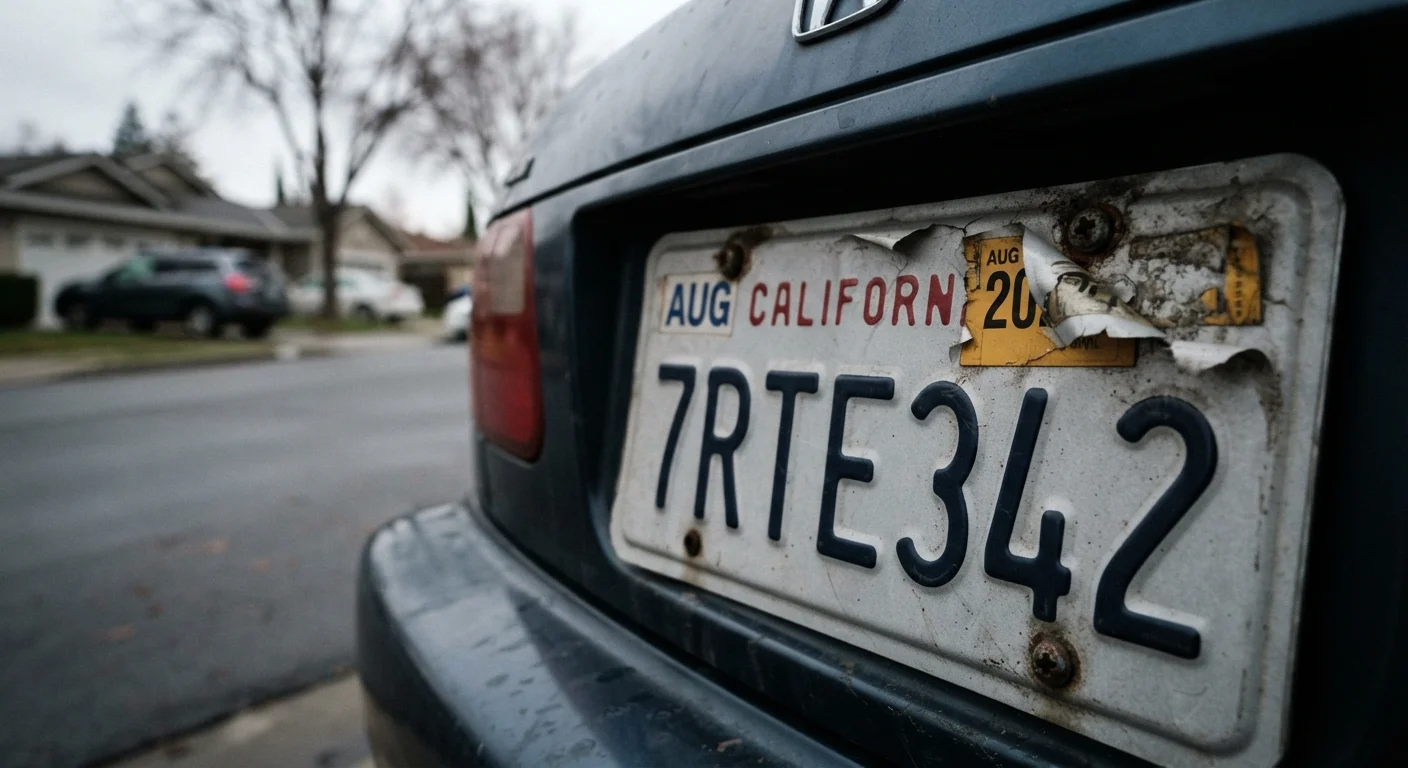
Photo: NemoFinds.com | Search, Explore, Read. editorial
Key Takeaways
- Driving with expired registration can result in a traffic citation and fines, even on a short trip.
- In some states, a significantly overdue registration can lead to vehicle impoundment.
- An expired registration may complicate your auto insurance coverage after an accident.
- Most states offer a short grace period, but rules vary - check your state's DMV for specifics.
- Renewing online is available in most states and takes only a few minutes to complete.
The Immediate Risk: Traffic Stops and Citations
The most immediate consequence of driving with an expired registration is being pulled over. Officers routinely run plates, and modern automated license plate readers make it easier than ever to flag an unregistered vehicle - even at highway speeds. If your registration has lapsed, you can be stopped at any time, regardless of how well you're driving.
Fines vary significantly by state and by how long the registration has been expired. A registration that expired a few weeks ago might result in a warning or a small fine in some jurisdictions. One that's been lapsed for several months could carry steeper penalties. In certain states, a significantly overdue registration is treated as a misdemeanor rather than a simple infraction, which means it appears on your driving record.
Set a Reminder Before Your Expiration Date
When Consequences Escalate: Impoundment and Legal Record
Beyond a citation, law enforcement in many states has the authority to impound a vehicle whose registration is considerably past due - often six months or longer. Once a vehicle is impounded, the owner faces towing fees, daily storage charges, and the original fine, all of which must be paid before the car is released. In some cases, the vehicle cannot be released until proof of a renewed registration is provided on the spot.
A misdemeanor registration charge, where applicable, can also show up on a background check and affect professional licensing in fields that require a clean record. This is a consequence that surprises many drivers who assumed expired registration was nothing more than a minor paperwork slip.
~$100-$500+
Typical fine range for expired registration
Fines vary widely by state, local jurisdiction, and duration of lapse; misdemeanor charges can push costs higher.
50+
States using automated plate readers in patrol vehicles
License plate reader technology is now standard equipment in most U.S. law enforcement agencies, enabling real-time registration checks.
30-90 days
Typical new-resident registration deadline
Most states require newly arrived residents to register their vehicle within this window of establishing residency.
How Insurance and Liability Are Affected
Your auto insurance policy doesn't automatically cancel because your registration expired - those are separate obligations. However, if you're involved in an accident while driving an unregistered vehicle, your insurer may raise questions about the legality of the vehicle's operation at the time of the loss. Policy language varies, but some insurers include exclusions or have grounds to complicate claims when a vehicle was being used in violation of law.
Liability exposure is also a concern. If you injure another driver or damage property while unregistered, the other party's attorney could use your registration lapse to argue negligence or irresponsibility. This is rarely decisive on its own, but it adds unnecessary legal complexity to an already stressful situation. For a broader look at coverage gaps that catch drivers off guard, see why new car owners underestimate their insurance needs.
What to Do If Your Registration Has Lapsed
If you've discovered your registration is expired, the practical steps are straightforward. First, check whether your state requires an emissions or safety inspection before renewal - some do, and skipping that step will delay the process. Next, visit your state DMV's website. Most states allow full renewal online in minutes, with the new sticker mailed to you within days.
Avoid driving the vehicle until renewal is confirmed if the expiration is significant. For short unavoidable trips, keep your renewal confirmation email or receipt accessible in case you're stopped - officers can generally verify the in-progress renewal and may exercise discretion. Staying organized with registration deadlines is part of responsible ownership; our year-round vehicle ownership checklist can help you track key dates alongside insurance renewals and maintenance schedules.
Grace Periods Vary - Don't Assume
This article is for general informational purposes only and does not constitute legal or insurance advice. Registration rules, fines, and enforcement practices vary by state. Consult your state DMV and a licensed professional for guidance specific to your situation.
Frequently Asked Questions
The content on this site is for informational purposes only and is not a substitute for professional advice. Always consult a qualified professional for guidance specific to your situation.