
Screen Time Before Bed: What Research Says About the Sleep Disruption Debate
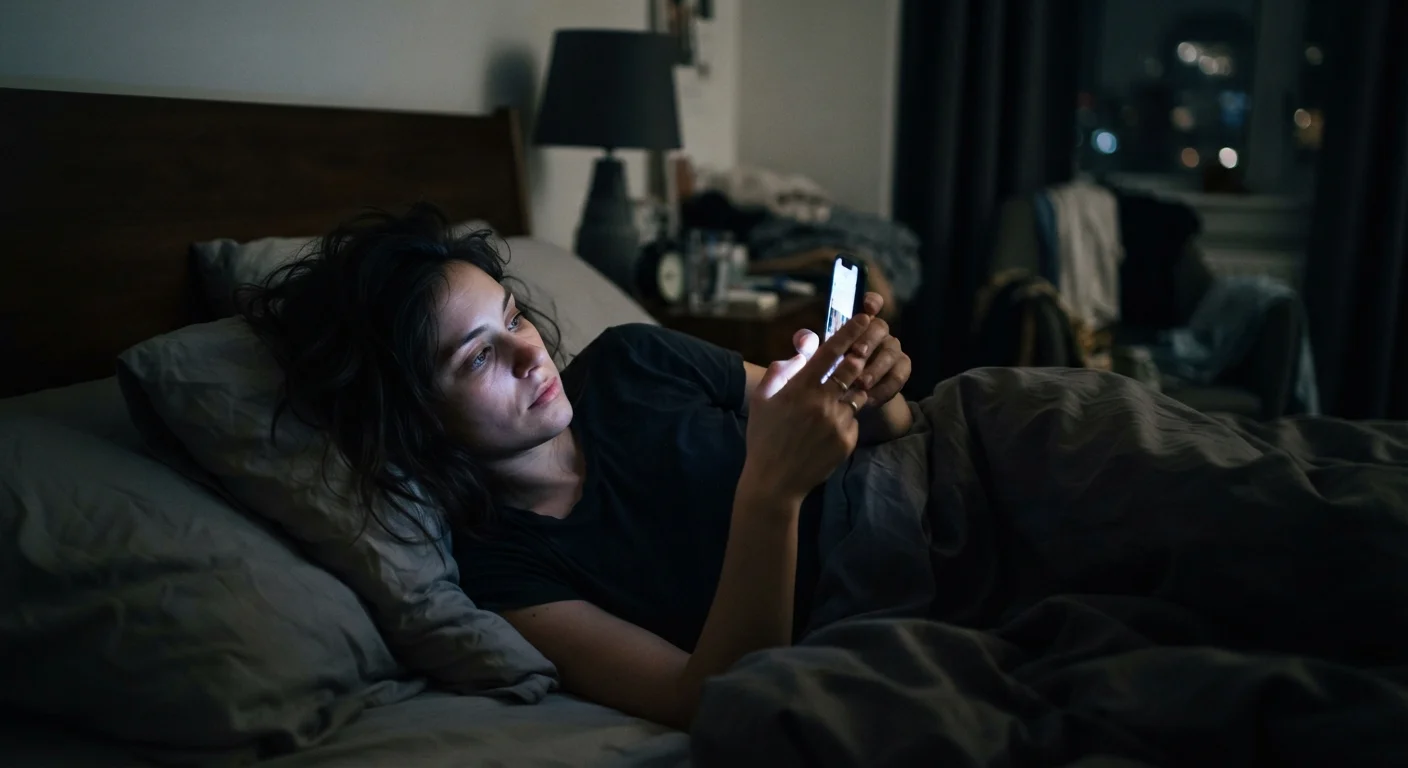
Photo: NemoFinds.com | Search, Explore, Read. editorial
Key Takeaways
- Blue light from screens can delay melatonin release, but the effect size is often modest in real-world conditions.
- Mental stimulation and emotional arousal from content may disrupt sleep more than light alone.
- Not all screen use is equally disruptive — passive, low-stimulation viewing differs from social media or news.
- Small, consistent wind-down habits can meaningfully reduce sleep disruption without requiring total screen abstinence.
- Individual sensitivity to evening light varies, so personal experimentation matters alongside general guidance.
Why This Debate Matters for Everyday Sleep
Roughly one in three American adults regularly gets fewer than seven hours of sleep per night, according to the Centers for Disease Control and Prevention. Evening screen use — phones, tablets, televisions, laptops — has become a default wind-down ritual for millions of people, which is why the question of whether screens harm sleep carries real public-health weight.
The conversation tends to split into two camps: those who cite blue light as a clear villain, and skeptics who argue the concern is overblown. The honest answer, as is often the case in science, sits somewhere between those poles. Understanding the nuances helps you make practical decisions without unnecessary anxiety. For a broader look at how your body's internal clock shapes these patterns, see how your circadian rhythm influences sleep and health.
Common Myths — and What the Evidence Actually Shows
Several widely repeated beliefs about screens and sleep don't fully hold up under scrutiny. The myth-and-fact pairs below lay out the most consequential ones.
Myth
Blue light from screens is the primary reason screens disrupt sleep.
Fact
Blue light is one contributing factor, but its real-world effect on sleep is often modest and frequently overstated relative to content-driven arousal.
Blue light suppresses melatonin — the hormone that signals sleep onset — and this effect is well established in laboratory conditions. However, controlled studies comparing blue-light-filtered screens to standard screens typically show only small differences in melatonin timing and sleep quality. The light intensity of most consumer devices at normal evening distances is considerably lower than the intensities used in laboratory protocols. Mental and emotional stimulation from the content itself — stressful news, social comparisons, compelling narratives — tends to be a stronger real-world sleep disruptor than the light spectrum alone.
Myth
Blue-light-blocking glasses or screen filters will fix your sleep problems.
Fact
These tools may offer modest benefit, but they do not eliminate the stimulating effects of engaging screen content.
Blue-light-blocking glasses have grown into a large consumer category, partly on the promise of protecting sleep. Some studies show small improvements in sleep onset when these glasses are worn in the evening; others show negligible effects compared to controls. Importantly, no filtering technology addresses the cognitive arousal caused by stimulating content. Relying on glasses or filters as a primary sleep strategy may give a false sense of protection while the real disruptors — stress-inducing content, irregular bedtimes, late-night social media use — remain in place.
Myth
All screen use before bed is equally bad for sleep.
Fact
Type, distance, brightness, and content all influence how disruptive an evening screen session is.
A dimly lit television watched passively from across a room is a meaningfully different exposure than a phone screen held inches from the face while scrolling a news feed. Research on evening media use finds that interactive, emotionally engaging platforms tend to delay sleep onset more than passive, familiar viewing. The social comparison, notification-driven urgency, and unpredictable content of social media create sustained alertness that passive entertainment does not. Treating all screens as a single uniform threat misses the practical distinctions that help people make smarter choices.
Myth
If you feel tired, screen light won't affect you — your body will override it.
Fact
Fatigue and melatonin suppression are separate physiological processes; feeling sleepy doesn't make you immune to light's alerting effects.
The body's sleep-pressure system (adenosine buildup) and its circadian light-response system operate through different biological pathways. Feeling tired reflects accumulated sleep pressure, but exposure to bright or blue-enriched light can still delay the circadian signal to release melatonin — even in people who feel exhausted. This is why someone can feel drowsy watching a phone late at night yet still struggle to fall asleep promptly once they put the device down. Both systems need to align for efficient sleep onset.
Myth
Teenagers are affected the same way as adults by evening screen use.
Fact
Adolescents are biologically more sensitive to evening light and have a naturally later circadian phase, making evening screens particularly disruptive for this group.
Puberty shifts the circadian clock later, meaning teenagers naturally feel alert later into the evening. Research indicates adolescents also show greater melatonin suppression per unit of blue-light exposure than adults. This biological double effect — a later natural sleep window combined with higher light sensitivity — means evening screen use poses a larger measurable risk to sleep timing and duration in teens than in the general adult population. Parents and caregivers should consult a pediatrician or sleep specialist for age-appropriate guidance, as recommendations for children and adolescents differ from those for adults.
What Actually Disrupts Sleep Most
Researchers increasingly point to content and context as more powerful sleep disruptors than blue light wavelength alone. Stressful news, emotionally activating social media, or suspenseful video content raises cortisol and keeps the brain in a vigilant state — conditions that are physiologically incompatible with sleep onset regardless of whether a blue-light filter is active.
1 in 3
US adults sleeping less than 7 hours nightly
According to CDC surveillance data, insufficient sleep is common across American adults regardless of age or occupation.
~90 min
Average US phone use per evening
Survey research consistently shows Americans spend substantial time on smartphones during the hours before bed, with social media and video being the dominant activities.
The timing and duration of screen use also matter. Passive, low-stimulation viewing — such as a familiar television program watched from across a dim room — produces less measurable sleep disruption in studies than close, interactive phone use in bed. Evening versus morning routines also play a role in how prepared your body is for quality rest.
Screen Use Isn't the Only Evening Disruptor
Realistic Wind-Down Strategies
You don't need to ban all screens after dark to protect your sleep. Research supports a handful of practical adjustments:
- Dim your screen brightness in the evening and enable warm-tone display settings, which reduce peak blue-light output without requiring device-free time.
- Choose low-arousal content — familiar shows, calm podcasts, or e-books tend to produce less cognitive stimulation than news feeds or interactive social platforms.
- Create a consistent end time for close-up screen use, ideally 30–60 minutes before you want to fall asleep, to allow alerting signals to settle.
- Keep devices off the bed surface if possible; physical distance slightly reduces light exposure and reinforces the bed-as-sleep-space association.
Sleep quality also ripples outward into other areas of wellbeing. The connection between sleep and mental health is bidirectional: poor sleep worsens mood and emotional resilience, which in turn makes it harder to wind down effectively the next night.
This article provides general health information and education only. It is not a substitute for personalized advice from a qualified healthcare professional. If you have persistent sleep difficulties, speak with a licensed medical provider.
The content on this site is for informational purposes only and is not a substitute for professional advice. Always consult a qualified professional for guidance specific to your situation.