
Sedentary Life Creep: Recognizing When Stillness Is Becoming a Health Risk

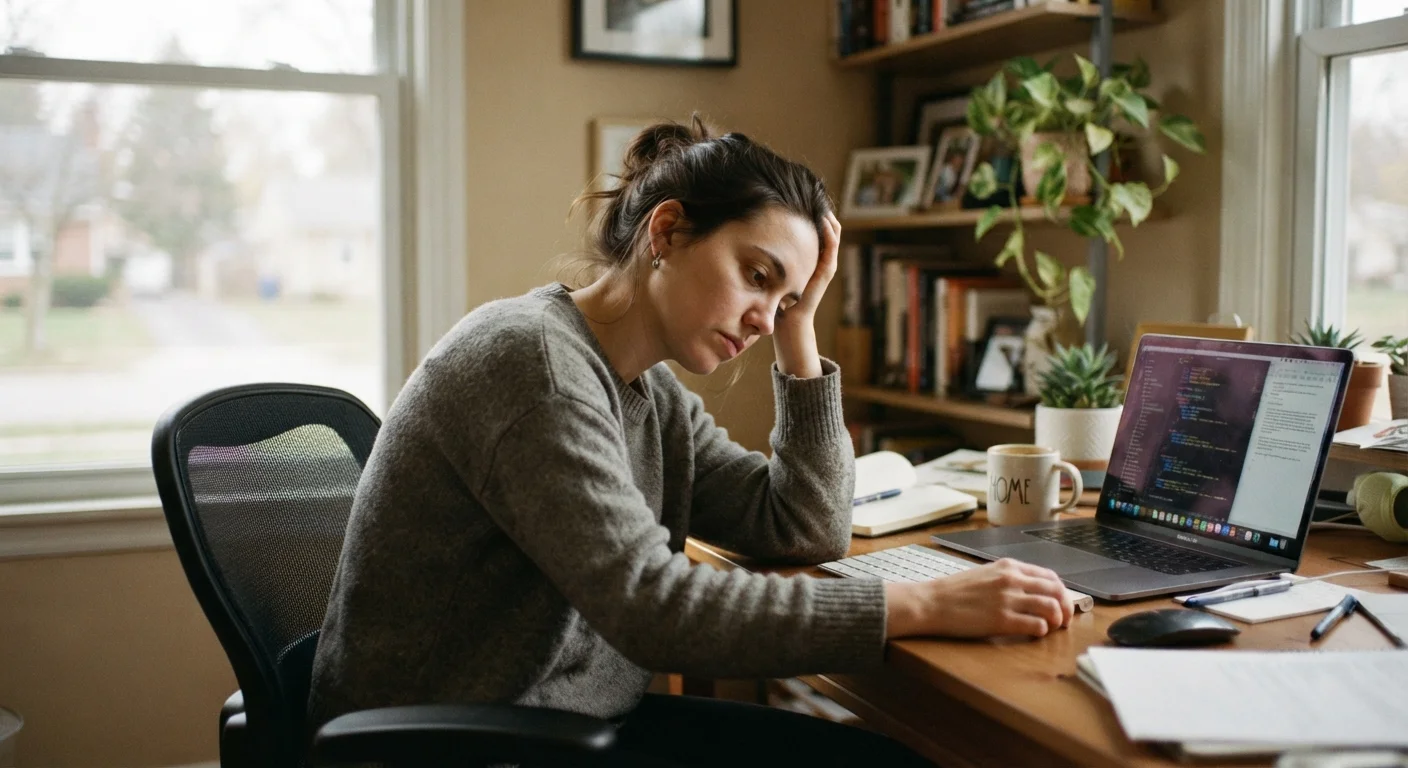
Photo: NemoFinds.com | Search, Explore, Read. editorial
Key Takeaways
- Sedentary time accumulates gradually — most people underestimate how many hours per day they spend sitting.
- Prolonged inactivity is associated with increased risk for cardiovascular disease, metabolic issues, and mood changes.
- Breaking up sitting with brief movement throughout the day can meaningfully offset some health risks.
- Meeting a weekly exercise goal does not fully cancel out the harm of sitting for most of the remaining hours.
- Small, consistent habit changes tend to produce more lasting results than dramatic overhauls.
What 'Sedentary Life Creep' Actually Means
Sedentary life creep is the gradual, barely noticeable accumulation of sitting time across daily routines — remote work, streaming, long commutes, and phone scrolling stacking on top of each other until stillness becomes the default. Research published by the American Heart Association and others has consistently linked high daily sitting time to elevated risks for cardiovascular disease, type 2 diabetes, and all-cause mortality, independent of whether a person exercises regularly.
That last point is worth repeating: even people who meet general physical activity guidelines can face added health risks if they spend the majority of remaining hours seated. The body responds to extended stillness differently than it does to a lack of exercise. Prolonged sitting slows blood flow, suppresses the enzyme activity that processes blood fats, and affects blood sugar regulation in ways that brief exercise windows don't fully undo.
Understanding the specific mistakes people make around sedentary behavior — and why those mistakes are so easy to fall into — is the first step toward changing them. For a broader view of how movement fits into overall health, see our guide to sleep, movement, and nutrition.
6–8 hrs
Average daily sitting time for U.S. adults
Research estimates suggest many American adults spend between 6 and 8 or more hours per day seated, with desk workers often exceeding that range.
~25%
Increase in cardiovascular disease risk linked to high sitting time
A meta-analysis published in the Annals of Internal Medicine found that prolonged sitting was associated with significantly elevated cardiovascular and mortality risk, even after adjusting for leisure-time physical activity.
Common Mistakes That Keep People Sitting Too Long
Most people aren't choosing inactivity — they're falling into it through habits and blind spots that feel perfectly reasonable in the moment. Here are the patterns most worth examining.
Assuming that a daily workout cancels out hours of sitting.
Treating sedentary leisure as rest that the body needs.
Underestimating total sitting time by focusing only on work hours.
Waiting until you feel physically uncomfortable before standing up.
Conflating 'not exercising' with 'being sedentary' — and treating them as the same problem.
If you're not sure how sedentary your current routine actually is, a daily wellness self-audit can help you honestly assess your movement gaps alongside other lifestyle habits.
Building Realistic Movement Into an Already-Full Day
The most effective antidote to sedentary life creep isn't a gym membership or an hour-long workout — it's strategic interruption of sitting time. Public health researchers generally recommend breaking up prolonged sitting every 30 to 60 minutes with even two to five minutes of light activity: standing, walking to refill water, stretching, or walking during phone calls.
Movement Breaks Aren't One-Size-Fits-All
Environmental design matters more than willpower. Placing a glass of water away from your desk forces standing. Scheduling walking meetings removes sitting from contexts where it was previously automatic. Setting a low-tech recurring phone reminder to stand every hour requires no discipline once the alarm is created.
The research also consistently favors consistency over intensity. A pattern of moderate, regular movement tends to outperform sporadic intense sessions for long-term health. Our article on why consistency beats intensity explores this principle in depth. Even brief daily movement practices are associated with improved mood and mental resilience — more on that in our piece on small habits with outsized mental health effects.
This article is for general informational purposes only and is not a substitute for professional medical advice. If you have concerns about your activity levels, cardiovascular health, or related symptoms, consult a qualified healthcare provider.
The content on this site is for informational purposes only and is not a substitute for professional advice. Always consult a qualified professional for guidance specific to your situation.