
Emotional Burnout: What It Is and Why It Feels Different From Tiredness

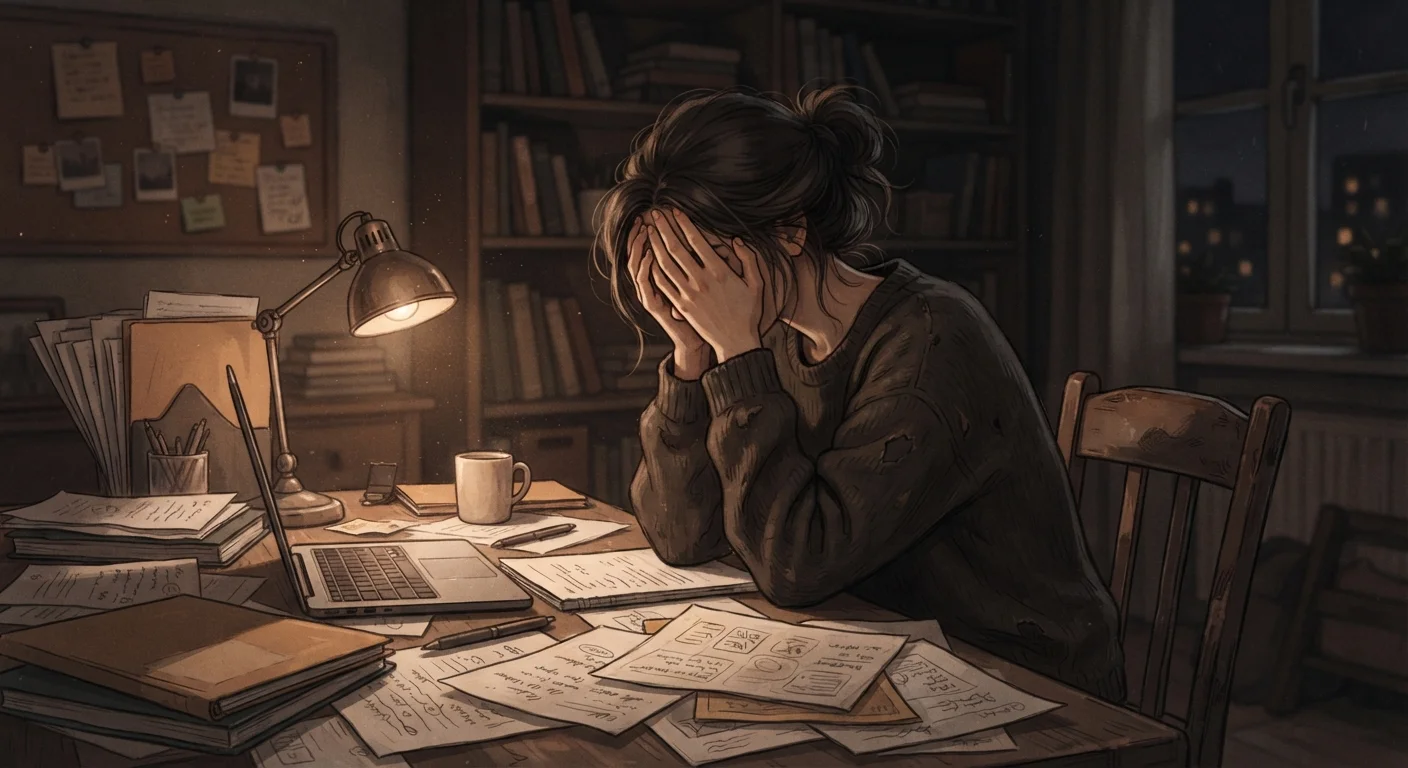
Photo: NemoFinds.com | Search, Explore, Read. editorial
Key Takeaways
- Emotional burnout is chronic exhaustion that doesn't improve with ordinary rest.
- It differs from tiredness by affecting motivation, identity, and emotional response — not just energy.
- Common causes include sustained workplace stress, caregiving demands, and feeling persistently undervalued.
- Recovery typically requires changes to environment and habits, not just more sleep.
- Recognizing burnout early makes it easier to address before it deepens.
Why Burnout Isn't Just Extreme Tiredness
Most people have felt drained after a hard week — that familiar heaviness that a solid rest usually clears. Emotional burnout operates differently. It's what happens when stress accumulates faster than a person can recover from it, over weeks or months, until the emotional reserves that normally power motivation, empathy, and resilience are genuinely depleted.
The key distinction is that burnout is not a symptom of doing too much in a short period — it's the result of sustained imbalance between demands and recovery. A tired person feels better after rest. A person in burnout often wakes up exhausted, dreads the day ahead, and struggles to care about things that once felt meaningful.
It's also worth noting that burnout affects cognition. People experiencing it often describe difficulty concentrating, a flattened emotional range, and a creeping sense of detachment from their work, relationships, or sense of self. This is categorically different from physical fatigue — the kind explored in contexts like driver fatigue that impairs reaction time and judgment. Emotional burnout runs deeper, reshaping how a person relates to their own life.
Burnout vs. Depression: An Important Distinction
Common Causes and Who Is Most Affected
Burnout rarely has a single cause. It tends to emerge from a combination of factors that persistently outpace a person's ability to recover or feel effective.
- Chronic workplace stress — heavy workloads, poor management, lack of autonomy, or misalignment between personal values and job demands.
- Caregiving roles — caring for children, aging parents, or ill family members places sustained emotional and physical demands on people, often with little recognition or relief.
- Feeling chronically undervalued — when effort goes unacknowledged over time, it erodes motivation and a sense of purpose.
- Perfectionism and difficulty setting limits — people who struggle to say no or set realistic expectations for themselves are more vulnerable to accumulating unresolved stress.
While burnout can affect anyone, research suggests that people in high-demand helping professions — healthcare workers, teachers, and social workers — report it at particularly high rates. That said, it is not limited to any profession or life stage.
76%
U.S. workers reporting burnout symptoms
A survey by Deloitte found that 77% of respondents said they had experienced burnout at their current job, with 91% agreeing unmanageable stress or frustration impacts work quality.
3x
Higher likelihood of leaving their job
According to Gallup research, employees experiencing burnout are approximately three times more likely to be actively seeking a new job than those who are not burned out.
23%
Lower productivity in burned-out employees
Gallup has reported that burned-out employees are 23% less productive and have significantly higher absenteeism rates compared to engaged, non-burned-out workers.
What Recovery Generally Looks Like
Recovery from burnout is gradual and usually requires changes on multiple fronts — not just taking a vacation or sleeping more. General patterns that support recovery include:
- Identifying and reducing the source of sustained stress where possible — this might mean renegotiating workload, setting clearer limits, or asking for support.
- Rebuilding basic physical foundations — consistent sleep, movement, and regular meals create the conditions the nervous system needs to begin recovering.
- Reconnecting with small sources of meaning — burnout erodes the sense that things matter; deliberately engaging with even modest activities that feel rewarding can help rebuild that sense over time.
- Seeking support — talking with a mental health professional is often a meaningful step, particularly when burnout has persisted for some time or is affecting daily functioning.
If you're noticing that stress has started shaping your day-to-day life in ways that feel hard to manage alone, it may be worth exploring signs that stress has crossed into something worth addressing — a helpful next step in understanding when to reach out for professional guidance.
Start Small With Recovery
This article is for general informational and educational purposes only. It is not a substitute for professional medical or mental health advice, diagnosis, or treatment. If you are concerned about your mental health, please consult a qualified healthcare provider.
Frequently Asked Questions
The content on this site is for informational purposes only and is not a substitute for professional advice. Always consult a qualified professional for guidance specific to your situation.