
Grounding Techniques for Anxious Moments

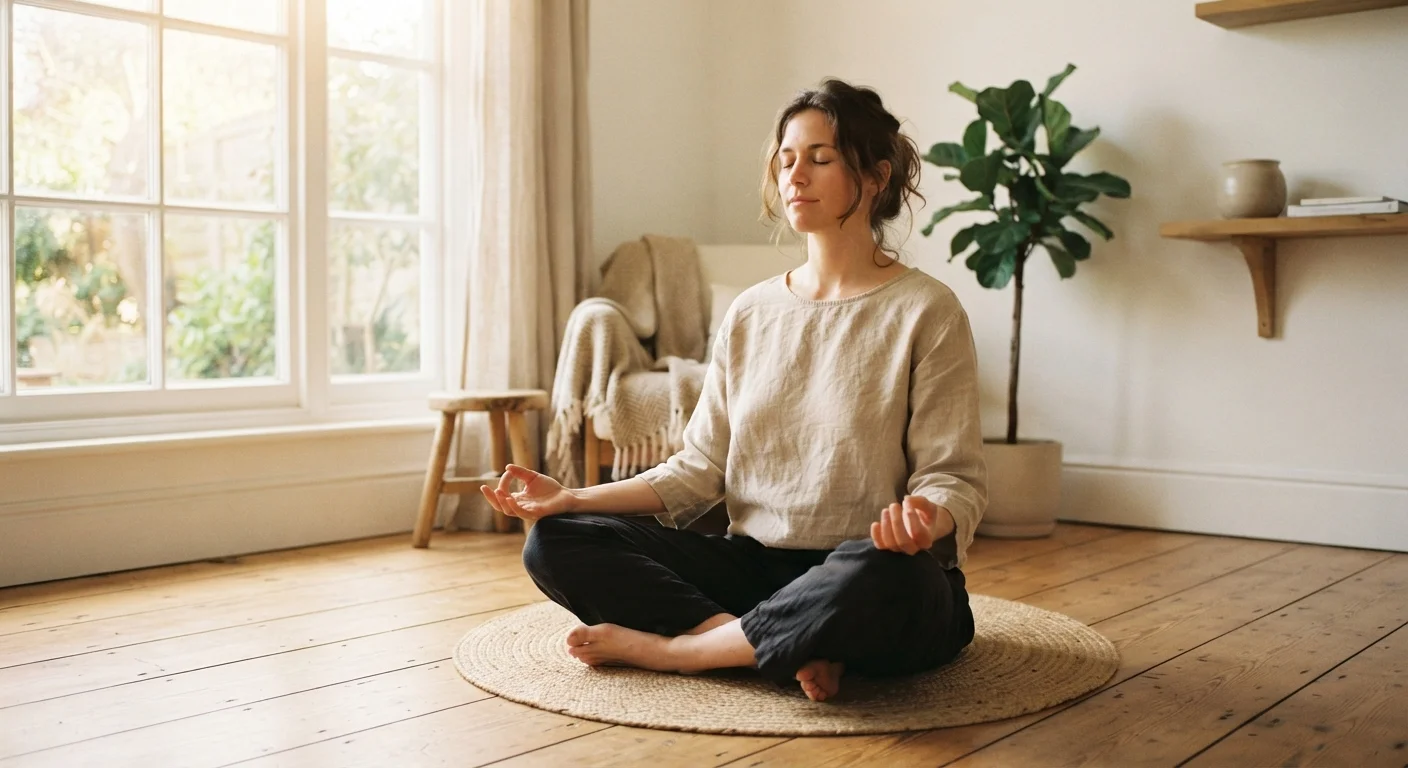
Photo: NemoFinds.com | Search, Explore, Read. editorial
Key Takeaways
- Grounding techniques redirect focus from anxious thoughts toward present-moment sensory awareness.
- Several effective methods require no tools and can be used anywhere, anytime.
- Regular practice makes these skills easier to access during high-anxiety moments.
- Grounding exercises are coping strategies, not a replacement for professional mental health support.
- Combining grounding with other daily wellness habits can strengthen emotional resilience over time.
What Grounding Techniques Actually Do
When anxiety spikes, the mind tends to get pulled into "what if" thinking — replaying past events or fast-forwarding to imagined future catastrophes. Grounding techniques interrupt this pattern by redirecting attention to the present moment through sensory, physical, or cognitive anchors.
The term grounding comes from therapeutic practice, particularly approaches like cognitive behavioral therapy (CBT) and dialectical behavior therapy (DBT), where these tools are used to help people manage overwhelming emotions. They're not a cure, but they are practical, evidence-informed strategies that many people find genuinely helpful for everyday stress and anxious moments.
Grounding works, in part, because it gives the brain something concrete to do. Anxiety often thrives in the absence of focused attention — when the mind is idle, it can spiral. Engaging the senses creates a competing focus that can interrupt that cycle.
These Techniques Are Not Medical Treatment
If you're new to mental wellness strategies, your first steps toward better mental health is a good place to start building broader context before diving into specific techniques.
How to Use These Techniques
The steps below walk you through several grounding approaches you can try right now or practice ahead of time. None of them require equipment, special training, or a quiet room — though a calm environment helps when you're first learning.
What you will need
Pause and recognize what's happening
Before applying any technique, take a moment to acknowledge that you're feeling anxious. This isn't about judgment — it's about awareness. Say to yourself, silently or aloud: "I'm feeling anxious right now, and that's okay." Naming the emotion helps reduce its intensity and prepares your mind to shift focus.
Try the 5-4-3-2-1 sensory technique
This widely used technique anchors you to the present by engaging all five senses in sequence:
- 5 things you can see — look around and name them mentally or aloud.
- 4 things you can physically feel — the chair beneath you, your feet on the floor, your shirt's fabric.
- 3 things you can hear — traffic outside, a fan humming, your own breathing.
- 2 things you can smell — even subtle scents count.
- 1 thing you can taste — a sip of water works perfectly.
Move slowly through each step. The deliberate, sequential attention is what makes this effective.
Use controlled breathing to regulate your body
Anxiety activates the body's stress response, which can speed up breathing and increase heart rate. Slow, deliberate breathing signals the nervous system to calm down. A simple approach: inhale for a count of four, hold for four, exhale for six. Repeat this cycle three to five times.
The longer exhale is key — it activates the parasympathetic nervous system (your body's natural calm-down mode). You don't need to breathe deeply to the point of discomfort; a natural, steady rhythm is enough.
Engage with a physical grounding object
Hold something with a distinct texture — a smooth stone, a fabric swatch, or even the edge of a table. Focus your complete attention on its physical properties: temperature, weight, texture, shape. Describe these to yourself in detail.
Physical grounding works by giving the mind a concrete, sensory task that competes with anxious thought patterns. It's especially useful in situations where you need a discreet technique — you can ground this way in a meeting or on public transit without anyone noticing.
Use a simple mental redirect if needed
If sensory techniques feel difficult in the moment, try a gentle cognitive redirect: name five colors you can see in the room, count backward from 100 by sevens, or mentally list categories (fruits, countries, song titles). These low-demand mental tasks occupy the part of the brain driving anxious rumination without requiring intense concentration.
The goal isn't distraction — it's interrupting the loop long enough for your nervous system to settle.
Reflect briefly after the exercise
Once you feel more settled, take a moment to notice the shift. You don't need to journal every time, but occasionally writing down what you tried and how it felt can help you identify which techniques work best for you personally. Over time, this self-knowledge is genuinely useful — not every method resonates with every person.
If you're interested in building a writing habit alongside these practices, journaling for emotional clarity is a natural complement to grounding work.
Practice When You're Calm First
As you build your grounding toolkit, consider how these techniques might fit into a broader daily routine. building a personal mental wellness routine can help you structure other supportive habits around them. You might also explore the Healthy Habits hub for additional everyday practices that support emotional well-being.
Know When to Seek Professional Help
This article is for general informational and educational purposes only and is not a substitute for professional mental health advice, diagnosis, or treatment. If you have concerns about your mental health, please consult a qualified healthcare provider.
The content on this site is for informational purposes only and is not a substitute for professional advice. Always consult a qualified professional for guidance specific to your situation.