
Mindfulness vs. Meditation: Two Practices, One Goal

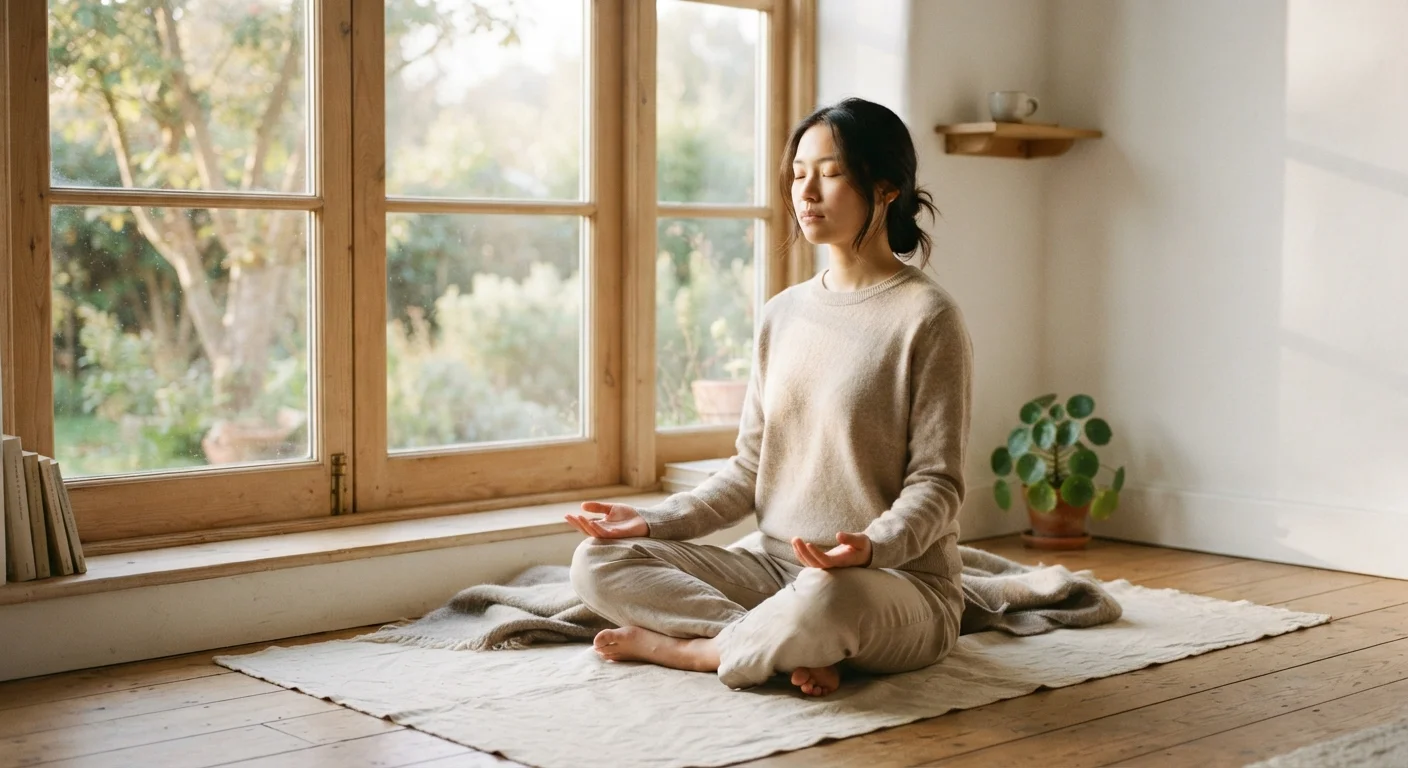
Photo: NemoFinds.com | Search, Explore, Read. editorial
Key Takeaways
- Mindfulness is a quality of awareness you can bring to any moment; meditation is a formal practice.
- Both are backed by research linking them to reduced stress, better focus, and improved emotional regulation.
- You don't need to choose — many people use both together as complementary tools.
- Neither requires special equipment, training, or significant time commitments to get started.
- Always consult a mental health professional if you're managing a clinical condition like anxiety or depression.
What Each Practice Actually Means
Mindfulness is a state of awareness — the practice of paying deliberate, non-judgmental attention to the present moment. You can be mindful while washing dishes, walking, or having a difficult conversation. It's less about what you do and more about how you do it.
Meditation is a structured activity — a set of techniques you practice intentionally, usually for a defined period of time. Most forms of meditation involve sitting quietly, focusing on an anchor (like your breath, a word, or an image), and gently returning your attention when it wanders. Many meditation styles are designed to cultivate mindfulness, but meditation can also pursue other goals, such as relaxation, compassion, or visualization.
Think of it this way: mindfulness is the destination, and certain forms of meditation are one route to get there — but not the only one. You can build mindfulness through small daily habits like intentional walks or structured wind-down routines, without ever sitting for a formal session.
How They Compare Side by Side
Understanding the practical differences helps you decide what fits your life. Both share the same core goal — a calmer, clearer, more resilient mind — but they get there differently.
| Criterion | Mindfulness | Meditation |
|---|---|---|
| What it is | A quality of present-moment awareness | A structured, time-set practice |
| When you do it | Any time, woven into daily life | Dedicated sessions, usually daily |
| Time required | No set time needed | Typically 5–30 minutes per session |
| Learning curve | Low — begin immediately | Moderate — benefits from guidance |
| Primary goal | Present-moment awareness and clarity | Trained attention and emotional resilience |
| Research support | Strong, especially as part of therapy | Strong, especially MBSR-style programs |
| Equipment needed | None | None (apps or guides optional) |
Neither is superior. Research published in peer-reviewed journals, including studies using mindfulness-based stress reduction (MBSR) programs, shows benefits associated with both approaches. What matters most is consistency, not which label you use.
The Research Behind Both Practices
Decades of study support the mental health benefits of mindfulness and meditation. MBSR, a structured program developed in the late 1970s at the University of Massachusetts Medical School, has been among the most studied interventions — with evidence linking it to reduced symptoms of stress, anxiety, and pain in general populations.
~30%
Reduction in perceived stress
A meta-analysis in JAMA Internal Medicine found mindfulness meditation programs associated with moderate reductions in stress, anxiety, and depression.
8 weeks
Typical MBSR program length
The standard Mindfulness-Based Stress Reduction program runs eight weeks and has been studied extensively in clinical and non-clinical populations.
~14 min
Average daily meditation in studies
Research reviews suggest meaningful benefits can appear with as little as 10–15 minutes of daily practice in many study populations.
Meditation-specific research, including neuroimaging studies, suggests that regular practice may be associated with changes in brain regions linked to attention and emotional processing. These are correlational findings in many cases — the science is promising but still evolving, and results vary by individual.
Mindfulness in daily life — sometimes called "informal practice" — is harder to measure in a lab but is widely recommended by clinicians as a complement to therapy and self-care. If you're exploring your current wellness habits, a daily wellness self-audit can help you spot where a mindfulness or meditation practice might fit.
How to Start — Without Overcomplicating It
If you're drawn to mindfulness, start by picking one routine activity — morning coffee, a shower, your lunch break — and commit to giving it your full, unhurried attention. Notice sensations, sounds, and thoughts without judging them. That's it. You're practicing.
If you're drawn to meditation, begin with short, guided sessions of five to ten minutes. Free apps, videos, and audio guides make this widely accessible. Choose a consistent time of day and a quiet spot. Guided body scan or breath-awareness meditations are good starting points for beginners.
Both practices pair well with other mental wellness tools. Journaling can deepen self-awareness you build in meditation. Being aware of habits that undermine mental health helps you clear the way for new practices to take root.
A Note on Clinical Mental Health Conditions
If you're feeling overwhelmed about where to begin with mental wellness broadly, this grounded introduction covers the essentials in plain terms.
This article is for general informational and educational purposes only and is not a substitute for professional mental health advice, diagnosis, or treatment. If you are experiencing significant stress, anxiety, depression, or any mental health concern, please consult a qualified healthcare or mental health professional.
The content on this site is for informational purposes only and is not a substitute for professional advice. Always consult a qualified professional for guidance specific to your situation.