
Sodium in the American Diet: Context, Concerns, and Clarity

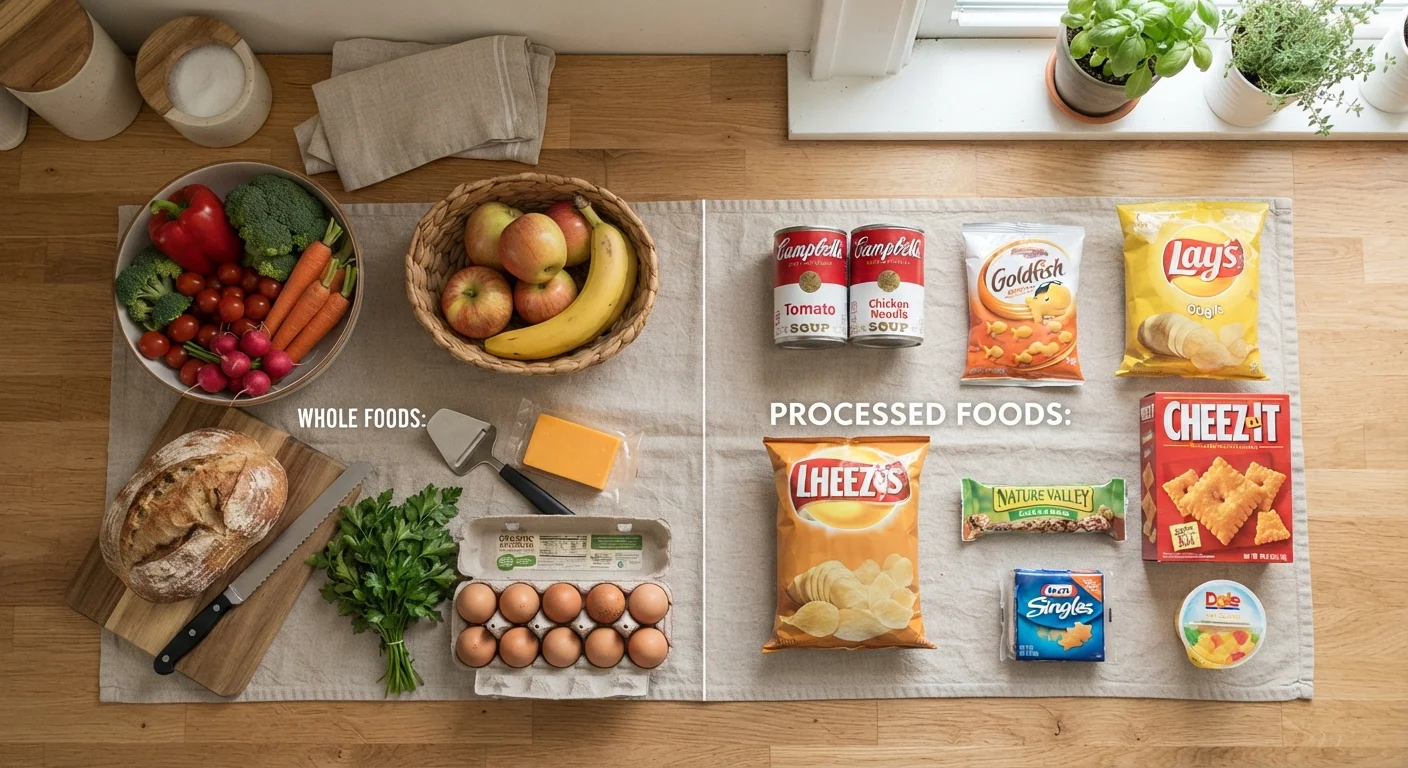
Photo: NemoFinds.com | Search, Explore, Read. editorial
Key Takeaways
- Sodium is an essential mineral, but most Americans consume well above general recommended levels.
- Most dietary sodium comes from packaged, processed, and restaurant foods — not home cooking.
- High sodium intake is associated with elevated blood pressure in sodium-sensitive individuals.
- Reading nutrition labels is one of the most practical tools for managing sodium intake.
- Reducing sodium gradually can help your taste preferences adjust over time.
Why Sodium Matters — and Why Context Does Too
Sodium gets a lot of attention in nutrition conversations, and often for good reason — but the discussion can quickly tip into oversimplification. The reality is that sodium is not a toxin or an additive to be avoided entirely. It's a mineral your body depends on for basic physiological functions, including regulating blood pressure, transmitting nerve signals, and enabling muscle movement.
The concern isn't sodium itself. It's the gap between how much the body needs and how much most Americans actually consume. According to the U.S. Centers for Disease Control and Prevention, American adults take in an average of more than 3,400 milligrams of sodium per day — considerably above the 2,300 mg threshold cited in the Dietary Guidelines for Americans. Understanding why that gap exists is the starting point for making sense of it.
3,400+ mg
Average daily sodium intake for U.S. adults
The CDC reports that American adults consume an average exceeding 3,400 mg of sodium per day, well above the 2,300 mg general guidance.
~70%
Sodium from packaged and restaurant foods
According to the CDC, approximately 70% of dietary sodium comes from processed, packaged, and restaurant foods rather than home cooking or table salt.
2,300 mg
General daily sodium limit for most adults
The Dietary Guidelines for Americans recommend that most adults consume no more than 2,300 milligrams of sodium per day.
Where Most Sodium Actually Comes From
It's tempting to blame the salt shaker, but that's a minor contributor. Research consistently shows that roughly 70% of sodium in the American diet comes from processed, packaged, and restaurant foods — before they ever reach your kitchen. Food manufacturers use sodium not just for flavor but for preservation, texture, and shelf stability.
Some of the most significant sources might surprise you: bread and rolls, cold cuts and cured meats, pizza, soups, and savory snacks are among the top contributors, according to the CDC. This means that even someone who never adds salt at the table may still be consuming a high-sodium diet if they eat a lot of packaged or restaurant food.
This is why reading nutrition labels carefully is so useful — the sodium content of packaged foods can vary dramatically between similar products, and labels are one of the most reliable tools for comparison.
What Research Says About Sodium and Health
The clearest, most consistent finding in nutrition research links habitually high sodium intake to elevated blood pressure — a major risk factor for heart disease and stroke. This effect appears to be especially pronounced in people described as "sodium-sensitive," though estimating who falls into that category without clinical assessment is difficult.
Importantly, not everyone responds to sodium intake the same way. Blood pressure is influenced by many factors, including genetics, overall diet quality, physical activity, body weight, and other minerals like potassium, which can help offset some of sodium's effects on blood pressure. A diet rich in potassium-containing foods — fruits, vegetables, legumes — is associated with healthier blood pressure outcomes alongside sodium moderation.
“Reducing sodium intake is one of the most important dietary changes Americans can make to lower blood pressure at the population level — and most of that sodium is coming from the food supply, not the salt shaker.”
— Centers for Disease Control and Prevention, U.S. federal public health agency, Sodium and Cardiovascular Disease guidance
It's worth noting that sodium research has its nuances. Some studies have examined very low sodium diets and found mixed results in specific populations, which is part of why public health guidance focuses on moderation rather than elimination. The goal is a balanced approach, not zero sodium.
For context on how sodium fits alongside other nutritional considerations, understanding balanced eating broadly is a useful foundation. Sodium is one piece of a larger dietary picture that also includes nutrients many Americans under-consume — like dietary fiber.
Practical Steps Toward Moderation
Reducing sodium doesn't have to mean overhauling your diet overnight. Gradual changes tend to be more sustainable, and your taste preferences can adapt over time — foods that once seemed normal may start to taste noticeably salty as your palate adjusts.
Start with Your Biggest Sodium Sources
A few practical starting points:
- Check labels when buying packaged staples. Sodium content varies widely between brands of the same product. A lower-sodium option can make a meaningful difference across a whole day's eating.
- Rinse canned beans, vegetables, and fish. This simple step can reduce sodium content by a meaningful amount.
- Build flavor with alternatives. Herbs, spices, lemon juice, and vinegar add complexity without adding sodium.
- Be mindful of condiments and sauces. Soy sauce, hot sauce, salad dressings, and similar additions can contribute substantial sodium in small amounts.
If you have high blood pressure, kidney disease, or another condition where sodium management is specifically recommended, it's important to work with a healthcare provider or registered dietitian for guidance tailored to your situation rather than relying on general information alone.
This article is for general informational and educational purposes only and is not a substitute for professional medical or nutritional advice. Consult a qualified healthcare provider before making significant dietary changes, especially if you have an existing health condition.
Frequently Asked Questions
The content on this site is for informational purposes only and is not a substitute for professional advice. Always consult a qualified professional for guidance specific to your situation.