
Why Your Gadget Battery Drains Faster Over Time

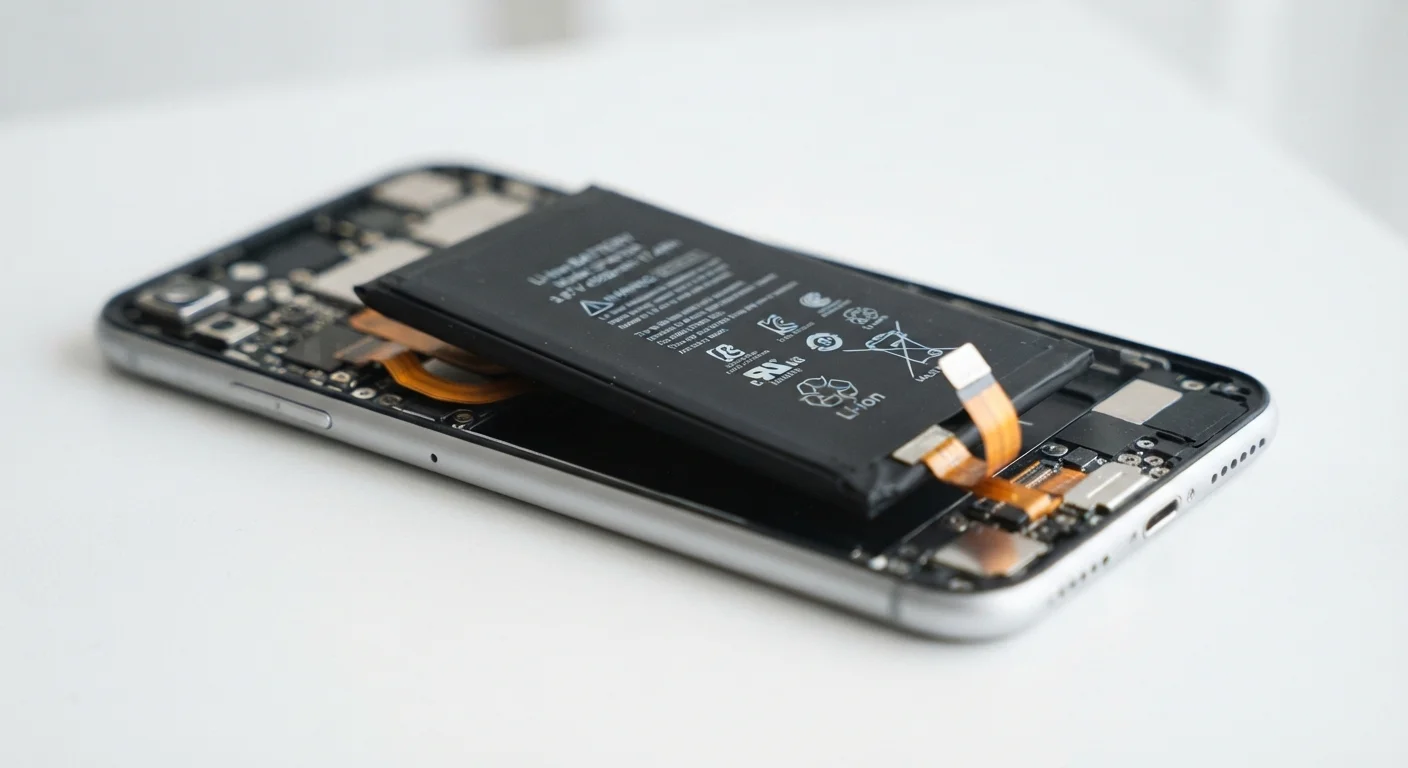
Photo: NemoFinds.com | Search, Explore, Read. editorial
Key Takeaways
- Lithium-ion batteries degrade chemically with each charge cycle — this is unavoidable but manageable.
- Heat is the single biggest accelerant of battery degradation.
- Keeping a battery consistently at 100% or near 0% speeds up capacity loss.
- Most lithium-ion batteries retain around 80% capacity after 300–500 full charge cycles.
- Small daily habits — like avoiding extreme heat and not fully depleting the battery — can meaningfully slow decline.
The Chemistry Behind the Drain
Every rechargeable battery in your phone, laptop, or wireless earbuds relies on lithium-ion chemistry. These batteries work by moving lithium ions back and forth between two electrodes — the anode and cathode — through a liquid electrolyte. Charging pushes ions one direction; discharging pushes them back.
The problem is that this process isn't perfectly reversible. Each cycle leaves behind microscopic residue, degrades the electrolyte slightly, and gradually reduces the number of active lithium ions available to carry charge. Think of it like folding a piece of paper: the first fold is clean, but after hundreds of folds, the material starts to break down at the crease.
This is why battery degradation isn't a sign of a faulty product — it's a predictable consequence of how lithium-ion chemistry works. The question isn't whether your battery will degrade, but how quickly.
~80%
Capacity retained after 500 full charge cycles
Apple and other manufacturers publicly rate their lithium-ion batteries to hold at least 80% of original capacity at this cycle count under normal conditions.
20°C–25°C
Optimal operating temperature range for lithium-ion batteries
Battery University, a widely cited industry reference, identifies this temperature range as optimal for minimizing long-term lithium-ion degradation.
2–3 years
Typical timeframe for noticeable capacity decline in daily-use devices
For users who charge a device once daily, meaningful capacity loss is commonly reported within this window depending on usage and environmental conditions.
The Factors That Speed Up Decline
Not all batteries age at the same rate. Several conditions accelerate the chemical breakdown:
- Heat: High temperatures increase the rate of chemical reactions inside the battery, accelerating degradation. A device left in a hot car or used while charging under a pillow experiences this stress directly.
- Extreme charge levels: Lithium-ion batteries experience the least stress when kept between roughly 20% and 80% charge. Regularly charging to 100% and letting the battery drop near 0% applies additional strain on the electrodes.
- High-current charging: Fast charging delivers power quickly by pushing more current into the battery, which generates heat and can accelerate wear compared to slower charging methods.
- Idle storage at full charge: Storing a device fully charged for long periods — like a spare laptop left plugged in — keeps the battery under continuous electrochemical stress.
Understanding these factors is the first step. For practical steps to apply this knowledge, see our guide on habits that extend device life.
The 20–80 Rule for Daily Charging
What 'Charge Cycles' Actually Means
You'll often see batteries rated by charge cycles — but a charge cycle doesn't necessarily mean one full charge from 0% to 100%. It refers to the equivalent of one complete discharge of the battery's total capacity, regardless of how it's spread across multiple partial charges.
For example, charging from 50% to 100% twice counts as one full cycle. This distinction matters because it means topping off your device throughout the day isn't inherently more damaging than one full daily charge — the total energy throughput is what counts.
Most consumer lithium-ion batteries are rated to retain around 80% of their original capacity after 300 to 500 full cycles. Heavy users who charge daily may hit that threshold in a year or two; lighter users may not notice meaningful decline for three or more years.
Partial Charges Still Count Toward Cycles
What You Can Realistically Do About It
Degradation can't be stopped entirely, but it can be slowed. A few consistent habits make a meaningful difference:
- Avoid leaving devices in direct sunlight or hot environments — particularly cars in summer.
- If your device supports it, enable optimized or scheduled charging features that pause charging before reaching 100%.
- For devices stored long-term (spare phones, backup laptops), aim to store them at roughly 50% charge rather than full.
- Use the charger that came with the device or one that matches its designed wattage; higher-wattage chargers on unsupported devices can generate unnecessary heat.
It's also worth separating fact from widely repeated myths. Many assumptions about charging behavior don't reflect how modern batteries actually work — our article on common electronics myths breaks down which ones actually hold up.
If your battery has already declined significantly, battery replacement through a manufacturer or certified repair service is often a practical and economical option compared to replacing the entire device.
This article is for general informational purposes only. For device-specific guidance, consult your manufacturer's documentation or a certified technician.
Frequently Asked Questions
The content on this site is for informational purposes only and is not a substitute for professional advice. Always consult a qualified professional for guidance specific to your situation.