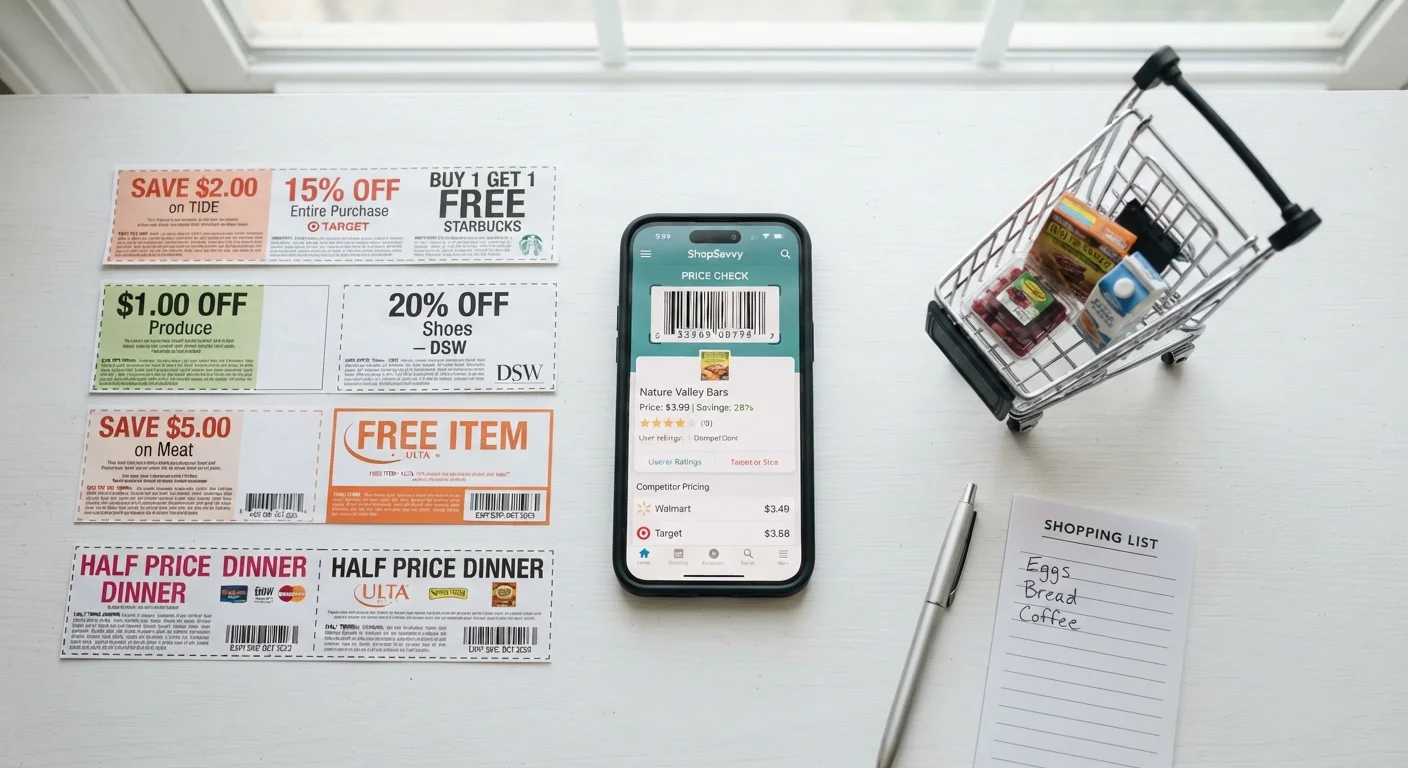
Loyalty Programs Sound Free — Here's What You Actually Trade Away

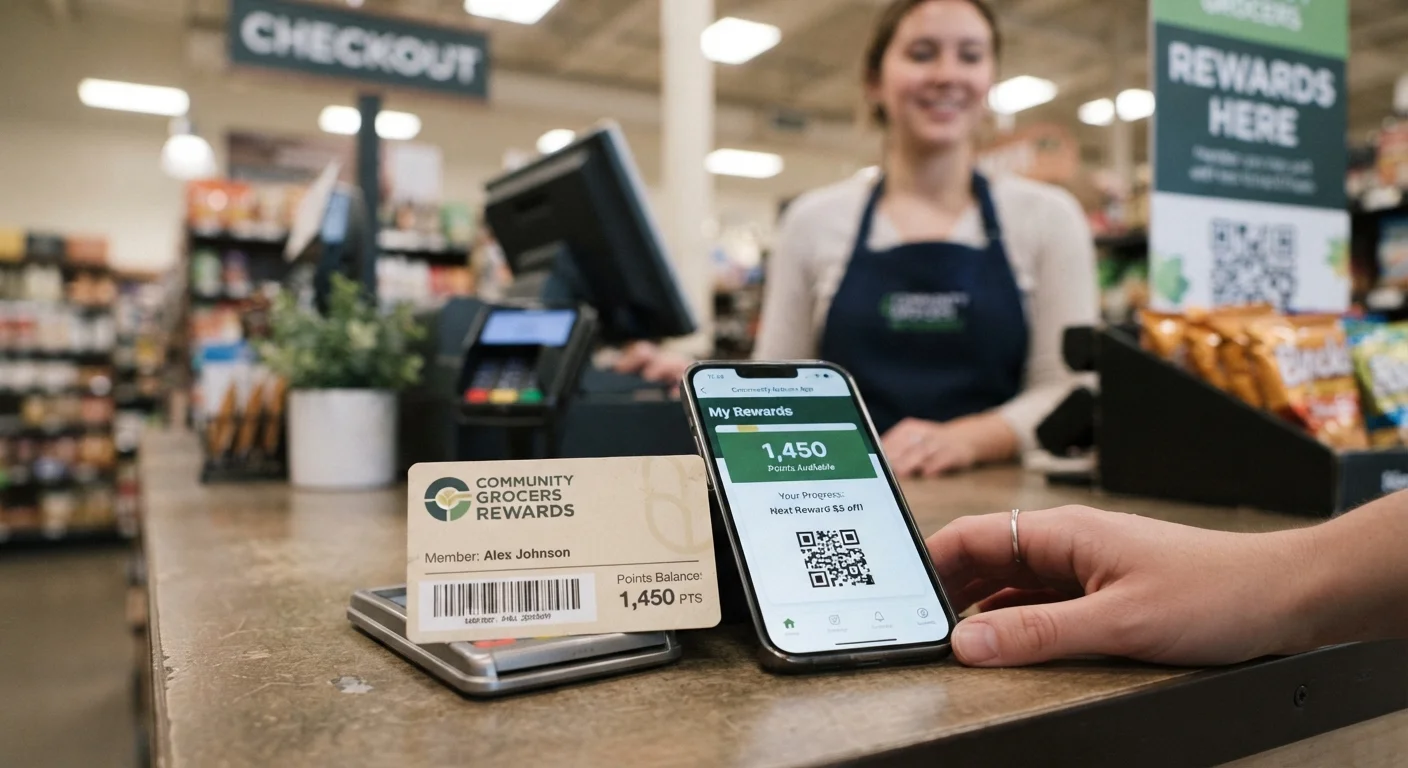
Photo: NemoFinds.com | Search, Explore, Read. editorial
Key Takeaways
- Loyalty programs can deliver genuine savings but require trading personal data and shopping behavior.
- Points and rewards often expire, devalue, or come with redemption restrictions that reduce their practical worth.
- Retailers use loyalty data to influence how and how much you spend — awareness is your best defense.
- Participating strategically — rather than passively — is what separates real value from marketing theater.
Genuine savings on purchases you planned anyway
When rewards are earned on spending you'd make regardless, the discount is essentially a rebate with no additional cost. This is the program working as intended for the shopper.
Access to member-only pricing and early sales
Many retailers reserve their lowest advertised prices for loyalty members, which can be a real advantage for big-ticket or frequently repurchased items.
Perks like free shipping or extended returns
Some programs bundle in service perks — such as free standard shipping or longer return windows — that have practical everyday value independent of points accumulation.
Potential for high-value redemptions in travel programs
Airline and hotel loyalty programs, when used strategically with favorable redemption rates, can yield outsized value — particularly for free flights or hotel stays during peak periods.
Detailed behavioral data is collected and monetized
Retailers use purchase history, browsing patterns, and location data to build profiles used for targeted marketing and pricing decisions. This data often persists long after you stop actively using the program.
Points frequently expire or quietly devalue
Programs can change point values, add redemption fees, or introduce blackout periods with limited notice. What you earned under one terms structure may be worth less under revised terms.
Designed to increase overall spending
The tiered reward structures and progress-toward-a-goal mechanics in most programs are intentionally designed to nudge members to spend more than they otherwise would.
Inbox and marketing exposure increases significantly
Signing up typically authorizes ongoing promotional emails, push notifications, and sometimes third-party marketing partnerships — adding friction to managing your attention and inbox.
Redemption restrictions reduce practical value
Many programs limit when and how rewards can be used — minimum redemption thresholds, category exclusions, or partner-only use — making it harder to capture value in practice.
What Loyalty Programs Actually Are
Loyalty programs are structured incentive systems offered by retailers, airlines, hotels, and other businesses to encourage repeat purchases. In exchange for signing up — and typically sharing your contact details and purchase history — you earn points, cash back, or status-based perks that can be redeemed later.
The appeal is real: member-only pricing, early access to sales, and accumulated rewards can translate to meaningful savings for frequent shoppers. But the word "free" in loyalty program marketing obscures a straightforward exchange. You give the retailer access to detailed behavioral data; they give you a discount mechanism in return. Understanding that dynamic doesn't mean you should avoid these programs — it means you should engage with them on your terms.
If you're thinking carefully about where every dollar goes, resources like budgeting basics can help you build a foundation that makes evaluating these trade-offs more concrete.
The Real Advantages
Used deliberately, loyalty programs can reduce costs on purchases you were already going to make. That's the clearest, most honest benefit: getting something back from spending you'd do regardless.
Genuine savings on purchases you planned anyway
When rewards are earned on spending you'd make regardless, the discount is essentially a rebate with no additional cost. This is the program working as intended for the shopper.
Access to member-only pricing and early sales
Many retailers reserve their lowest advertised prices for loyalty members, which can be a real advantage for big-ticket or frequently repurchased items.
Perks like free shipping or extended returns
Some programs bundle in service perks — such as free standard shipping or longer return windows — that have practical everyday value independent of points accumulation.
Potential for high-value redemptions in travel programs
Airline and hotel loyalty programs, when used strategically with favorable redemption rates, can yield outsized value — particularly for free flights or hotel stays during peak periods.
~70%
Of US adults belong to at least one loyalty program
Estimates from consumer research consistently show that most American adults hold multiple loyalty memberships, though active engagement rates are considerably lower than enrollment rates.
~50%
Of loyalty points earned go unredeemed
Industry analysts have noted that a substantial share of points issued by retail loyalty programs expire without being redeemed, effectively returning value to the retailer.
Beyond discounts, some programs offer practical perks with no spending threshold — free shipping thresholds, extended return windows, or priority customer service. For frequent travelers, hotel and airline programs can yield genuinely valuable free nights or flights when redemption rates are favorable.
The Hidden Costs Worth Knowing
The most significant cost isn't money — it's data. When you join a loyalty program, you typically agree to let the retailer track every transaction, which products you browse, how often you visit, and increasingly, your location. This data is used to build a detailed behavioral profile that informs targeted marketing and, in some cases, dynamic pricing.
Detailed behavioral data is collected and monetized
Retailers use purchase history, browsing patterns, and location data to build profiles used for targeted marketing and pricing decisions. This data often persists long after you stop actively using the program.
Points frequently expire or quietly devalue
Programs can change point values, add redemption fees, or introduce blackout periods with limited notice. What you earned under one terms structure may be worth less under revised terms.
Designed to increase overall spending
The tiered reward structures and progress-toward-a-goal mechanics in most programs are intentionally designed to nudge members to spend more than they otherwise would.
Inbox and marketing exposure increases significantly
Signing up typically authorizes ongoing promotional emails, push notifications, and sometimes third-party marketing partnerships — adding friction to managing your attention and inbox.
Redemption restrictions reduce practical value
Many programs limit when and how rewards can be used — minimum redemption thresholds, category exclusions, or partner-only use — making it harder to capture value in practice.
There's also a psychological cost. Research in consumer behavior consistently shows that loyalty programs can increase overall spending by creating a sense of momentum — the urge to "not waste" accumulated points or reach the next reward tier. This is a designed feature, not a side effect. Awareness of this mechanism is the most practical protection against it.
For a broader look at how financial trade-offs like these play out, debt consolidation trade-offs follows a similar pattern of apparent simplicity masking real complexity.
How to Participate Without Losing Ground
The goal isn't to avoid loyalty programs entirely — it's to join them selectively and use them actively rather than passively. A few principles help:
- Join only where you already shop regularly. A program at a store you visit twice a year is unlikely to pay off meaningfully.
- Read the expiration and redemption rules before signing up. Points that expire after 12 months of inactivity or that can only be redeemed in narrow categories have limited real value.
- Use a dedicated email address. This limits marketing clutter and gives you a clearer view of what you've signed up for.
- Track what you redeem, not just what you earn. Unspent rewards are a common way programs capture value back from members.
Your Data Rights Vary by State
It's also worth reading store policies carefully before assuming membership adds protections. Our guide on reading a return policy outlines what to look for — member status doesn't always extend return windows the way you might assume.
Loyalty programs reward attention. Shoppers who treat them as passive set-and-forget systems tend to deliver more value to the retailer than they receive. Those who track, redeem, and participate deliberately tend to come out ahead — or at least even.
The content on this site is for informational purposes only and is not a substitute for professional advice. Always consult a qualified professional for guidance specific to your situation.