
In-Network vs. Out-of-Network Care: Why the Distinction Matters More Than You Think

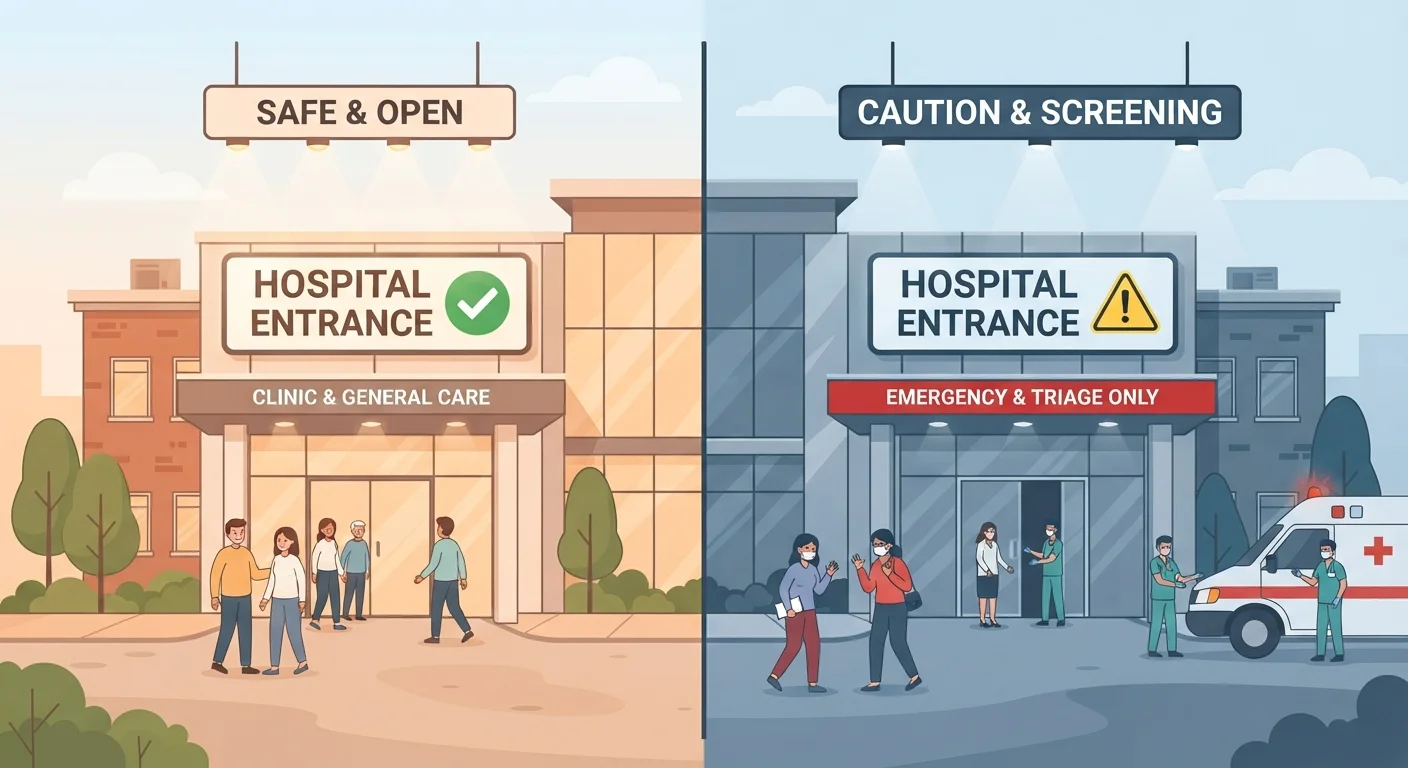
Photo: NemoFinds.com | Search, Explore, Read. editorial
Key Takeaways
- In-network providers have negotiated rates with your insurer, significantly lowering your share of costs.
- Out-of-network care can leave you responsible for the full difference between billed and allowed amounts.
- Some plan types, like HMOs, offer zero out-of-network coverage except in emergencies.
- Always verify a provider's network status before scheduling non-emergency appointments.
- Balance billing — being charged the gap between the provider's fee and what insurance pays — is a real and common risk.
- Out-of-pocket maximums may not protect you from out-of-network costs the same way they protect in-network spending.
What 'Network' Actually Means in Health Insurance
A health insurance network is a group of doctors, hospitals, labs, and other providers that have signed contracts with a specific insurer. Those contracts establish negotiated rates — predetermined amounts the insurer agrees to pay for specific services. When you see one of these contracted providers, you're going in-network. Everyone else is out-of-network.
This distinction isn't arbitrary. When a provider joins a network, they agree to accept the insurer's allowed amount as payment in full (minus whatever cost-sharing you owe). That's why your costs are lower. Out-of-network providers have made no such agreement, which means they can bill whatever they choose — and you may be responsible for the difference.
Understanding this dynamic is foundational to making sense of your health plan. As we explain in our HMO vs. PPO comparison, the type of plan you hold often determines how strictly this network boundary is enforced.
How Costs Differ: A Side-by-Side Look
The financial gap between in-network and out-of-network care can be substantial. Here's a direct comparison of how the two tiers typically function:
| Criterion | In-Network Care | Out-of-Network Care |
|---|---|---|
| Provider contract with insurer | Yes — agreed rates in place | No — provider sets own fees |
| Your deductible applies | Yes, at lower in-network rate | Often a separate, higher deductible |
| Coinsurance after deductible | Typically 10–30% | Typically 30–50% or more |
| Balance billing risk | None — provider accepts agreed rate | Possible — provider may bill the gap |
| Counts toward out-of-pocket max | Yes, fully | Often tracked separately or excluded |
| HMO/EPO coverage available | Yes | Generally no (emergencies excepted) |
| Prior authorization required | Sometimes | Often required; may be denied |
One term worth knowing: balance billing. This occurs when an out-of-network provider bills you for the gap between their full charge and what your insurer pays. For example, if a provider charges $2,000, your insurer's allowed amount is $800, and your plan pays $640 (80%), the provider could bill you the remaining $1,360 on top of your coinsurance. The No Surprises Act (effective 2022) provides some federal protections against unexpected balance billing in certain situations, but it does not eliminate all out-of-network cost exposure.
1 in 5
Emergency visits with a surprise out-of-network bill
Research published in Health Affairs found approximately one in five emergency visits resulted in at least one out-of-network charge, often without patients' knowledge.
~$750
Median surprise bill amount for emergency care
Studies examining surprise billing prior to federal protections found median out-of-network charges in emergencies reaching hundreds of dollars beyond expected cost-sharing.
When Out-of-Network Care Is Unavoidable
There are situations where going out-of-network isn't really a choice. Emergencies are the clearest example — federal law generally requires that insurers treat emergency care at in-network cost-sharing levels regardless of the facility's network status. However, follow-up care after an emergency may not carry the same protection.
Other situations include highly specialized care not available in your network, mental health providers with limited in-network availability, or anesthesiologists and radiologists assigned at in-network facilities who happen to be out-of-network themselves — a scenario sometimes called a surprise bill.
If you suspect you may need out-of-network care, contact your insurer in advance to ask about prior authorization and any out-of-network exception processes. Some plans will negotiate a single-case agreement with an out-of-network provider, effectively giving you in-network rates for that specific visit. It's worth asking.
For more on coverage gaps that catch people off guard, see common assumptions about what health insurance covers.
Practical Steps to Protect Yourself
The single most effective thing you can do is verify network status before you schedule. Don't rely on a provider's receptionist — they may not track every insurer's updated network lists. Instead, log into your insurer's online directory or call the member services number on your insurance card to confirm the specific provider and location are currently in-network.
Also check whether out-of-network spending counts toward your out-of-pocket maximum. Many plans track these costs separately, meaning out-of-network bills could pile up even after you've hit your in-network cap. Our article on how the out-of-pocket maximum works explains this in more detail.
Hospital In-Network Doesn't Mean Every Provider Is
Finally, if you're enrolled in or considering a high-deductible plan, network discipline matters even more — you'll be paying full negotiated rates until you meet your deductible. See what HDHPs cost in practice for a fuller picture. For broader strategies on using your plan effectively, getting the most from your health plan is a useful companion read.
This article is for general informational and educational purposes only and does not constitute personalized insurance, financial, or legal advice. Coverage terms, network rules, and costs vary by insurer, plan type, and state. Always review your actual policy documents and consult a licensed insurance professional for guidance specific to your situation.
The content on this site is for informational purposes only and is not a substitute for professional advice. Always consult a qualified professional for guidance specific to your situation.