
Pet Insurance from the Ground Up: A First-Timer's Overview

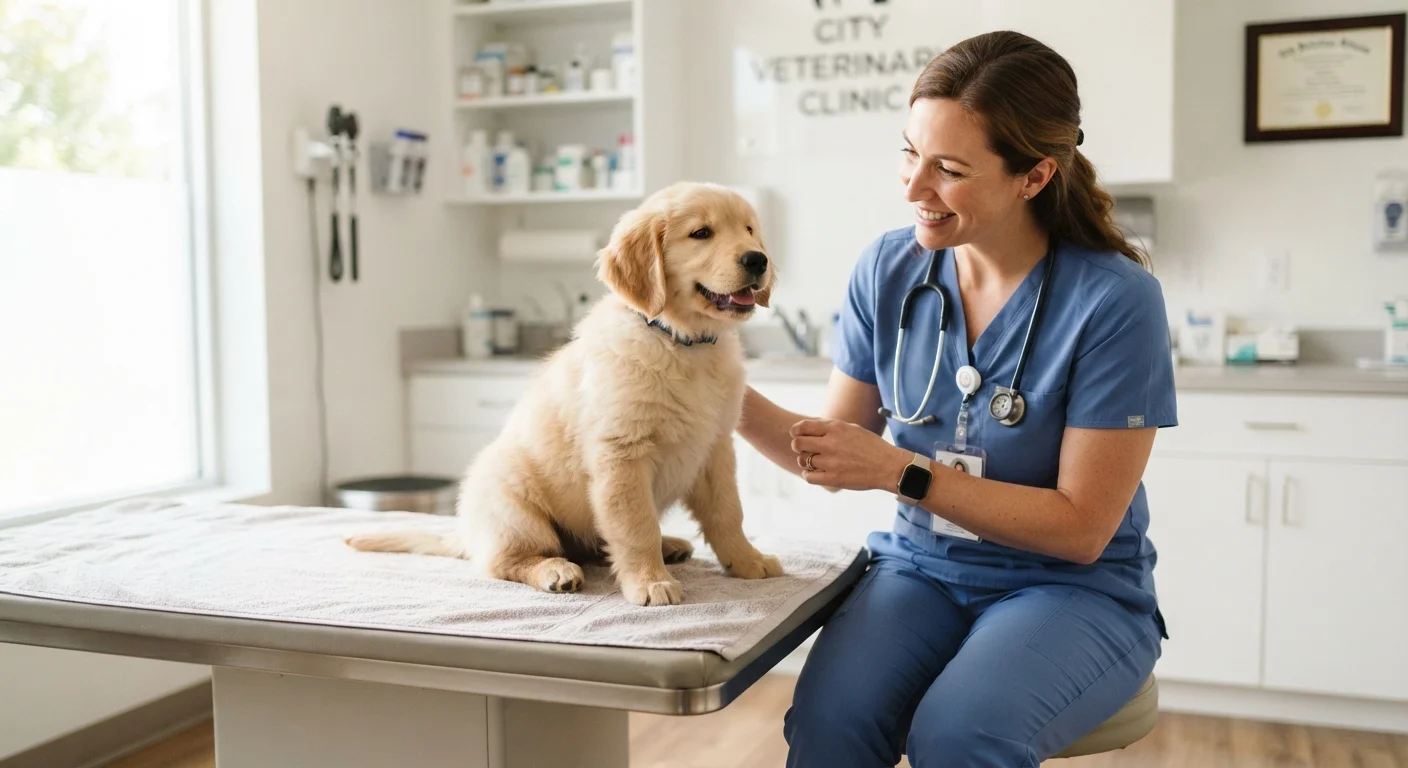
Photo: NemoFinds.com | Search, Explore, Read. editorial
Key Takeaways
- Pet insurance reimburses you after you pay the vet, rather than paying the clinic directly.
- Premiums, deductibles, and reimbursement percentages all affect what you actually get back.
- Pre-existing conditions are almost universally excluded from coverage.
- Enrolling a pet while young and healthy typically broadens what the policy will cover.
- Reading the actual policy document — not just the summary — is essential before you commit.
What Pet Insurance Actually Is
Pet insurance is a health coverage product designed to help offset veterinary costs when your pet is sick or injured. Unlike human health insurance — where your insurer typically pays the provider directly — most US pet insurance policies work on a reimbursement model: you pay the vet bill upfront, then file a claim and receive a portion of those costs back, minus your deductible and any co-pay.
Pet insurance is regulated at the state level, and policies vary significantly by insurer. It is not a government program, and there is no standard coverage requirement — which means reading the actual policy document matters enormously. If you're just bringing a new animal home, our first 30-day pet health checklist is a useful companion to this guide.
This article is general educational information about pet insurance and is not personalized insurance or financial advice. Coverage terms, exclusions, and regulations vary by provider and state. Always read your policy and consult a licensed insurance professional for guidance specific to your situation.
Key Terms You Need to Know First
Before comparing any plans, you need a working vocabulary. Pet insurance marketing can obscure what you're actually buying — these definitions cut through that.
Premium
The monthly or annual amount you pay to keep the policy active, regardless of whether you make any claims.
Deductible
The amount you must pay out of pocket before your insurer starts reimbursing you. Some policies apply this per incident; others apply it once per policy year.
Reimbursement percentage
After your deductible is met, your insurer pays a set percentage of the remaining eligible bill — commonly 70%, 80%, or 90%. You cover the rest.
Coverage limit
The maximum dollar amount an insurer will pay out — sometimes per incident, per year, or over the lifetime of the policy.
Pre-existing condition
Any illness, injury, or symptom that existed before your policy's effective date. These are almost always excluded from coverage.
Waiting period
A set number of days after your policy starts during which no claims can be made. Any condition that appears during this window is typically treated as pre-existing.
One thing that surprises many first-timers: most plans have a waiting period — typically a few days for accidents and up to 14 days for illnesses — before coverage activates. Any condition that appears during this window is usually treated as pre-existing and excluded going forward.
How Pet Insurance Claims Work
The typical claims process follows a straightforward path:
- Visit the vet and pay the bill in full at the time of service.
- Collect an itemized invoice and any medical records the insurer requires.
- Submit the claim through the insurer's app, website, or paper form.
- Wait for processing — timelines vary by insurer, but many process claims within a few days to a few weeks.
- Receive reimbursement for the eligible portion of your bill, minus your deductible and the percentage you're responsible for.
Keep Detailed Records from Day One
For a deeper look at how different plan structures affect what gets covered at each step, see our comparison of accident-only, illness, and wellness plans.
What Pet Insurance Typically Doesn't Cover
Exclusions are where many policyholders get caught off guard. Almost every pet insurance policy excludes:
- Pre-existing conditions — any illness or injury that showed signs before your policy's effective date or during the waiting period.
- Elective or cosmetic procedures — ear cropping, tail docking, or declawing where not medically necessary.
- Breeding costs — pregnancy, whelping, or fertility treatments.
- Preventive and routine care — vaccinations, flea prevention, and annual wellness exams (unless you've added a wellness rider).
- Dental illness — many standard plans exclude dental disease while covering dental accidents.
Don't Rely on the Summary Alone
Exclusions are not always obvious from summary materials. The only reliable way to know exactly what is and isn't covered is to read the full policy document, including the definitions section and the exclusions list.
Is Pet Insurance Worth It for You?
There's no universal answer — it depends on your financial cushion, your pet's age and breed, and your personal risk tolerance. A young, mixed-breed dog with no health history presents a very different risk profile than a senior purebred cat.
What pet insurance does reliably is convert an unpredictable, potentially large expense into a predictable monthly cost. Whether that tradeoff makes sense for you is a personal financial question. Consider your ability to absorb an unexpected $3,000–$10,000 veterinary bill without insurance, then weigh that against annual premium costs and realistic reimbursement projections.
Pet insurance is one of several less-discussed but meaningful coverage types worth understanding. If you want to see how it compares conceptually to other policy structures, our life insurance overview shows how different insurance products share common mechanics — premiums, exclusions, and claims processes — even when the subject matter differs. For general wellness guidance for your pet, explore our Pet Health and Wellness hub.
This article is for general informational purposes only and does not constitute insurance, financial, or legal advice. Consult a licensed insurance agent or financial professional before making coverage decisions.
Frequently Asked Questions
The content on this site is for informational purposes only and is not a substitute for professional advice. Always consult a qualified professional for guidance specific to your situation.