
Envelope Budgeting in a Digital Age: Cash Envelopes vs. App-Based Alternatives

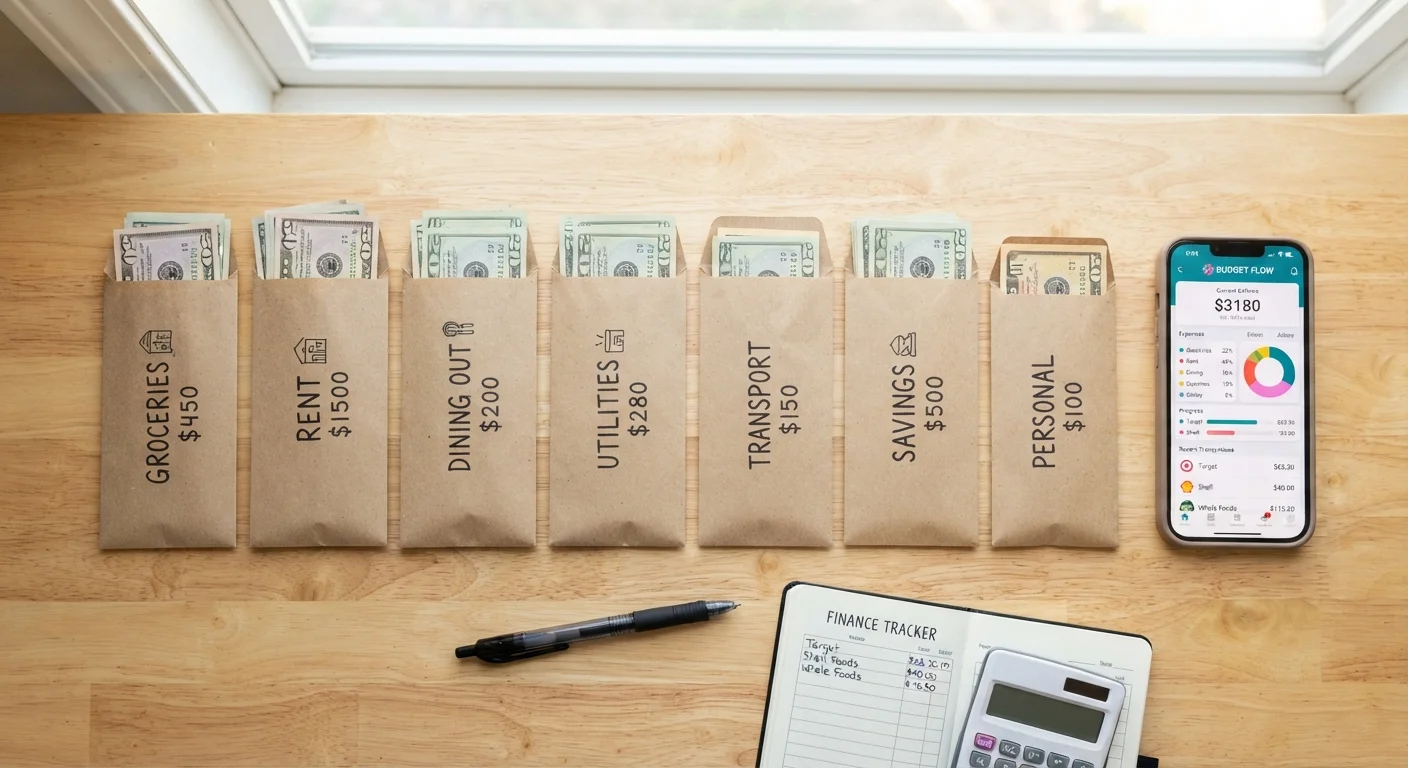
Photo: NemoFinds.com | Search, Explore, Read. editorial
Key Takeaways
- Cash envelopes enforce hard spending limits because you literally cannot spend money you don't have in the envelope.
- Digital envelope apps replicate the category-based logic of cash envelopes but work with bank accounts and cards.
- Physical cash handling adds friction that some people find motivating; others find it impractical for modern spending.
- App-based systems offer real-time syncing, reporting, and accessibility — but require ongoing discipline to work.
- Neither method is universally superior; the right fit depends on your spending habits and lifestyle.
How Each Method Actually Works
The envelope budgeting concept is straightforward: divide your take-home income into spending categories — groceries, fuel, dining out, entertainment — and allocate a fixed dollar amount to each. When a category's money is gone, spending in that category stops until the next budget period.
Cash envelopes implement this literally. After each paycheck, you withdraw cash and physically distribute it into labeled envelopes. Need groceries? Spend from the grocery envelope. Running low? You can see exactly how much is left at a glance. When the envelope is empty, you stop — or make a deliberate, conscious decision to transfer from another envelope.
App-based envelope budgeting mirrors this logic digitally. You assign virtual budget amounts to categories inside the app. When you make a purchase, you record it (manually or via bank sync), and the app deducts it from the relevant virtual envelope. Some apps connect directly to bank accounts and auto-categorize transactions; others require manual entry.
Both methods share the same foundational principle — proactive allocation before spending — but they diverge sharply in execution. For a broader look at budgeting philosophies that pair well with either approach, see our comparison of zero-based and percentage-based budgeting.
| Criterion | Cash Envelopes | App-Based System |
|---|---|---|
| Spending enforcement | Hard stop — cash runs out | Soft stop — requires self-discipline |
| Works with online purchases | No | Yes |
| Setup effort | Low — envelopes and cash | Moderate — app configuration |
| Transaction tracking | Manual count of remaining cash | Automatic or manual logging |
| Spending history / reports | None | Detailed trend data available |
| Security risk | Lost cash is unrecoverable | Data privacy and account security risks |
| Shared household access | Difficult to coordinate | Possible with shared app access |
| Cost | Free (plus possible ATM fees) | Free tiers or paid subscriptions |
The Psychology and Practicality Gap
One of the most documented advantages of cash envelopes is the pain of payment effect — spending physical money feels more tangible than tapping a card, which can make people more deliberate about purchases. For categories where emotional or impulse spending is a problem, that friction is a feature, not a bug.
However, cash comes with real inconveniences. Carrying multiple envelopes is awkward. Online purchases, bill autopay, and subscription services don't work with physical cash. Losing an envelope means losing uninsured money. And regular ATM withdrawals take time and, depending on your bank, may carry fees.
App-based systems remove most of that friction — but friction is part of what makes cash envelopes effective for some people. Digital tools work smoothly only when you actually log transactions. An uncategorized purchase or forgotten entry creates a misleading picture of your remaining budget. The system depends on your consistency.
~33%
Americans with a detailed monthly budget
Gallup polling has consistently found that fewer than one in three U.S. adults report maintaining a detailed household budget.
2–3×
More spending with cards vs. cash
Research in consumer behavior studies has found people tend to spend meaningfully more when paying by card compared to using cash for the same purchases.
Another practical gap: variable and irregular expenses can be tricky in both systems. Infrequent costs like car registration or annual subscriptions are easy to forget when filling envelopes or setting up app categories. Our guide on spending categories most budgets overlook covers exactly these hidden line items.
Choosing the Right Fit for Your Life
Neither cash envelopes nor digital apps are inherently better — they suit different habits and circumstances. A few questions can help clarify which direction makes more sense for you:
- Where do you primarily spend? If most purchases are card-based or online, a digital system is more compatible with your daily life.
- What's your tech comfort level? Some budgeting apps have a learning curve. If setup complexity is a barrier to starting, physical envelopes eliminate that obstacle entirely.
- Do you share finances? App-based systems with shared access can reduce household financial friction in ways that a stack of envelopes cannot.
- Where do you consistently overspend? If discretionary categories are the problem, the psychological weight of physical cash may be worth the inconvenience.
Some people combine both: using cash envelopes strictly for high-temptation categories like dining and entertainment, while managing fixed bills and savings goals digitally. This hybrid approach captures the psychological benefits of cash where they matter most without making every transaction cumbersome.
Whatever system you choose, the goal is consistent use over time. For broader strategies on maintaining disciplined spending, shopping habits that hold up long-term offers complementary guidance. And if you're building a complete financial foundation, our complete personal budgeting guide walks through every layer from first dollar to lasting habit.
This article is for general informational and educational purposes only and does not constitute personalized financial advice. Consult a qualified financial professional for guidance tailored to your individual circumstances.
The content on this site is for informational purposes only and is not a substitute for professional advice. Always consult a qualified professional for guidance specific to your situation.