
Hydration and Pets: Why Water Intake Matters More Than Most Owners Track

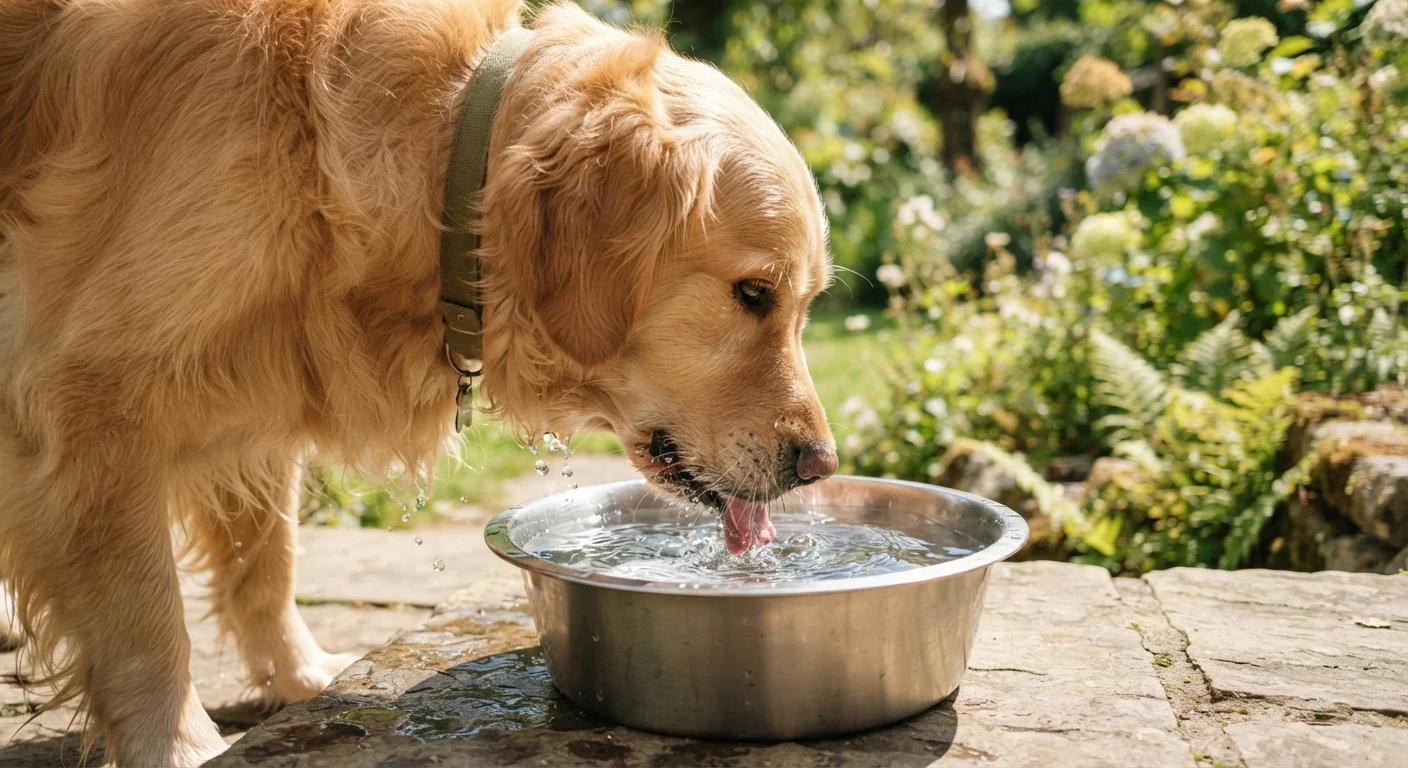
Photo: NemoFinds.com | Search, Explore, Read. editorial
Key Takeaways
- Chronic mild dehydration can quietly damage kidney function in dogs and cats over time.
- Cats in particular are prone to low water intake, making wet food or water fountains especially helpful.
- A pet's daily water needs vary by weight, diet type, activity level, and ambient temperature.
- Simple behavioral and environmental changes can meaningfully increase how much your pet drinks.
- Sudden changes in drinking habits — more or less — warrant a veterinary consultation.
Why Hydration Deserves More Attention Than It Gets
Most pet owners pay close attention to food — carefully reading labels, tracking portions, and choosing quality ingredients. Water, by contrast, often gets a quick daily refill and little further thought. Yet water is involved in nearly every physiological process an animal performs: regulating body temperature, transporting nutrients, flushing waste through the kidneys, lubricating joints, and supporting digestion.
Chronic low-level dehydration — the kind that doesn't cause obvious distress — is a particular concern in cats and certain dog breeds. Unlike dramatic, emergency dehydration, this quiet deficit can gradually strain kidney tissue and contribute to urinary tract disease without triggering obvious symptoms until meaningful damage has occurred. Incorporating hydration awareness into your daily pet care routine is one of the most accessible preventive steps you can take.
70–80%
Moisture content in canned wet pet food
Compared to roughly 10% in dry kibble, wet food delivers substantially more hydration per meal, according to veterinary nutritional guidelines.
~1 oz/lb
Daily water guideline for dogs
General veterinary recommendations suggest dogs need approximately one ounce of water per pound of body weight under normal conditions.
How Much Water Does Your Pet Actually Need?
General veterinary guidance suggests that dogs need approximately one ounce of water per pound of body weight each day under normal conditions. A 40-pound dog, then, needs roughly 40 ounces — just over five cups. Cats require a smaller volume, typically around 3.5 to 4.5 ounces per 5 pounds of body weight daily, but they have a naturally low thirst drive that makes hitting that target harder.
These figures shift meaningfully based on context. Hot weather, vigorous exercise, nursing, illness, fever, or a diet of dry kibble all increase fluid requirements. Pets eating wet or raw food already obtain a significant portion of their moisture from meals, which can reduce — but not eliminate — the amount they need to drink from a bowl.
Hydration Needs Rise With Temperature and Activity
Recognizing Signs That Your Pet Isn't Drinking Enough
Mild dehydration in pets can be subtle. The classic skin-tent test — gently pinching the scruff and watching how quickly it springs back — can offer a rough at-home indicator, but it is not a reliable diagnostic tool. A pet that passes the skin-tent test may still be chronically under-hydrated. More useful signals include:
- Dry or tacky gums — healthy gums should feel moist and slippery
- Reduced urine output or noticeably concentrated, dark-yellow urine
- Low energy or unusual lethargy not explained by other factors
- Decreased skin elasticity and dull coat
- Loss of appetite accompanied by other subtle changes
On the opposite end, a sudden and significant increase in water consumption is also a red flag — polydipsia (excessive thirst) can signal diabetes, kidney disease, Cushing's disease, or other conditions requiring prompt veterinary evaluation. Either direction of change from your pet's established baseline warrants attention. Older pets are especially prone to kidney-related thirst changes and should be monitored carefully.
Best Practices for Supporting Better Pet Hydration
The good news is that encouraging adequate water intake is largely a matter of environment and habit. The following practices are grounded in veterinary recommendations and can be adapted for most households.
Offer fresh, clean water in multiple locations throughout your home.
Consider a circulating water fountain designed for pets.
Incorporate wet or moisture-rich food into your pet's diet.
Wash water bowls daily and replace water at least once per day.
Monitor your pet's baseline drinking habits so you can recognize changes.
Quick Ways to Start Today
You don't need to overhaul your entire pet care setup to make a meaningful difference. A few targeted adjustments can produce measurable improvements in how much your pet drinks each day. Start with the highest-impact actions below, and build from there as part of a broader commitment to consistent care.
This article is intended for general educational purposes only and does not constitute veterinary medical advice. Always consult a licensed veterinarian for guidance specific to your pet's health, age, weight, and medical history.
The content on this site is for informational purposes only and is not a substitute for professional advice. Always consult a qualified professional for guidance specific to your situation.