
When a Pet Stops Eating: What It Might Mean and When to Act

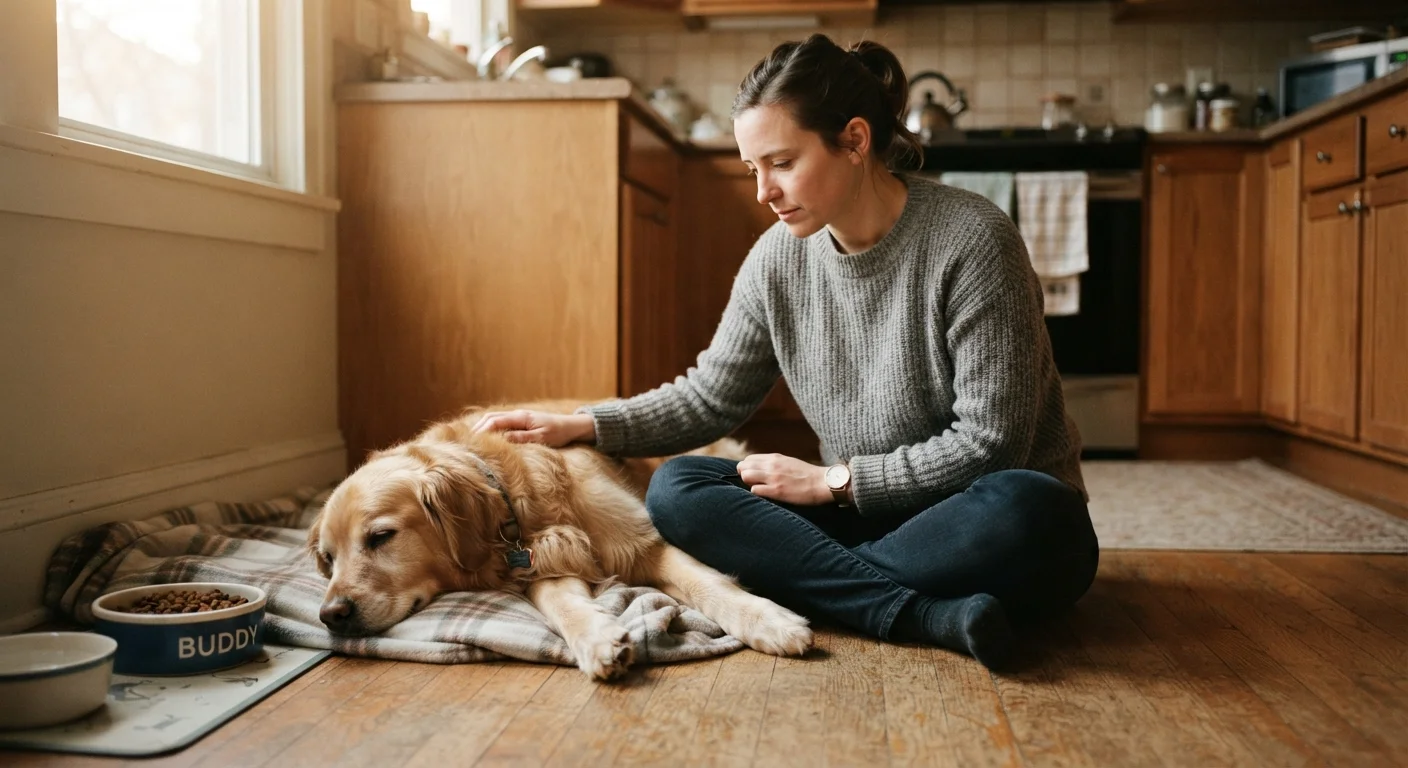
Photo: NemoFinds.com | Search, Explore, Read. editorial
Key Takeaways
- A pet skipping one meal is not automatically an emergency, but patterns matter.
- Stress, environmental changes, and illness are among the most common appetite triggers.
- Certain accompanying symptoms — vomiting, lethargy, or weight loss — signal urgent vet attention.
- Careful observation over 24–48 hours gives your vet valuable diagnostic information.
- Never attempt home remedies or withhold food without veterinary guidance.
Why Pets Stop Eating: Common Causes to Know
Appetite changes in pets — called anorexia in veterinary terms — rarely have a single explanation. They fall into two broad categories: behavioral and medical.
Behavioral causes include stress, anxiety, a change in food type or feeding location, and learned food preferences. Cats, in particular, are sensitive to even small environmental shifts. Dogs may refuse food after a disruption to their social hierarchy or daily schedule.
Medical causes range from mild to serious: dental disease (painful chewing), gastrointestinal upset, infections, kidney or liver disease, pancreatitis, and certain medications can all suppress appetite. Some pets also lose interest in food following vaccination — a normal, short-lived response — while others may be reacting to a concurrent illness.
Understanding these distinctions helps you communicate clearly with your vet and avoid unnecessary alarm — or dangerous delay. Visit Pet Care Basics for foundational guidance on recognizing healthy versus concerning changes in your pet's daily habits.
Keep a Simple Symptom Log
Step-by-Step: What to Do When Your Pet Won't Eat
Following a structured approach protects your pet and gives your veterinarian the clearest possible information. Gather your tools and confirm what you need before you begin.
What you will need
Measuring cup or kitchen scale
Accurately track how much food your pet is consuming at each meal.
Notebook or notes app
Log meal times, quantities eaten, and any behavioral changes for your vet.
Home weight scale (pet-appropriate)
Monitor for unexpected weight loss during an appetite change episode.
Confirm the appetite change is real
Before assuming something is wrong, verify that food is actually going uneaten. Check whether another pet in the household might be finishing the bowl, or whether a family member has already fed your pet. Confirm the food hasn't spoiled, changed formulas, or been stored improperly — pets often detect subtle differences humans cannot.
Assess for recent changes in the environment
Appetite loss frequently follows household disruptions: a move, new family members, a change in routine, or even rearranged furniture. Stress is a well-documented appetite suppressant in both dogs and cats. Consider what has shifted in your pet's world within the past week. Understanding behavioral cues can help — see what your pet's body language is actually telling you for guidance on spotting stress signals.
Perform a basic at-home physical check
Gently examine your pet without causing distress. Look for visible swelling around the jaw or mouth that might indicate dental pain, a common and often overlooked appetite disruptor. Check for any limping, swollen abdomen, unusual discharge, or skin changes. Note whether your pet is drinking water normally. Dehydration combined with appetite loss escalates the urgency significantly.
Track and document what you observe
Over the next 24–48 hours, record meal times, how much (if anything) was eaten, water intake, energy levels, bathroom habits, and any vomiting or unusual behavior. This log is not just reassuring for you — it gives your veterinarian a concrete, time-stamped picture that speeds up diagnosis. Unexplained weight loss alongside reduced appetite is always worth flagging promptly. For context on how weight and appetite interact, see why pets gain weight so easily.
Contact your veterinarian with your findings
Call your vet's office and share your documentation: how long the appetite loss has lasted, any symptoms you observed, and recent household changes. Your vet can help you determine whether a same-day visit is warranted or whether watchful waiting is appropriate. Do not self-medicate or withhold food beyond what your vet advises. For a broader guide on when a situation becomes urgent, see signals that a routine vet visit has become an urgent one.
When to Seek Emergency Veterinary Care
Avoid Masking the Problem
This article is for general informational purposes only and does not constitute veterinary medical advice. Always consult a licensed veterinarian for guidance specific to your pet's health needs.
The content on this site is for informational purposes only and is not a substitute for professional advice. Always consult a qualified professional for guidance specific to your situation.