
Why Pets Gain Weight So Easily — and What's Actually Going On

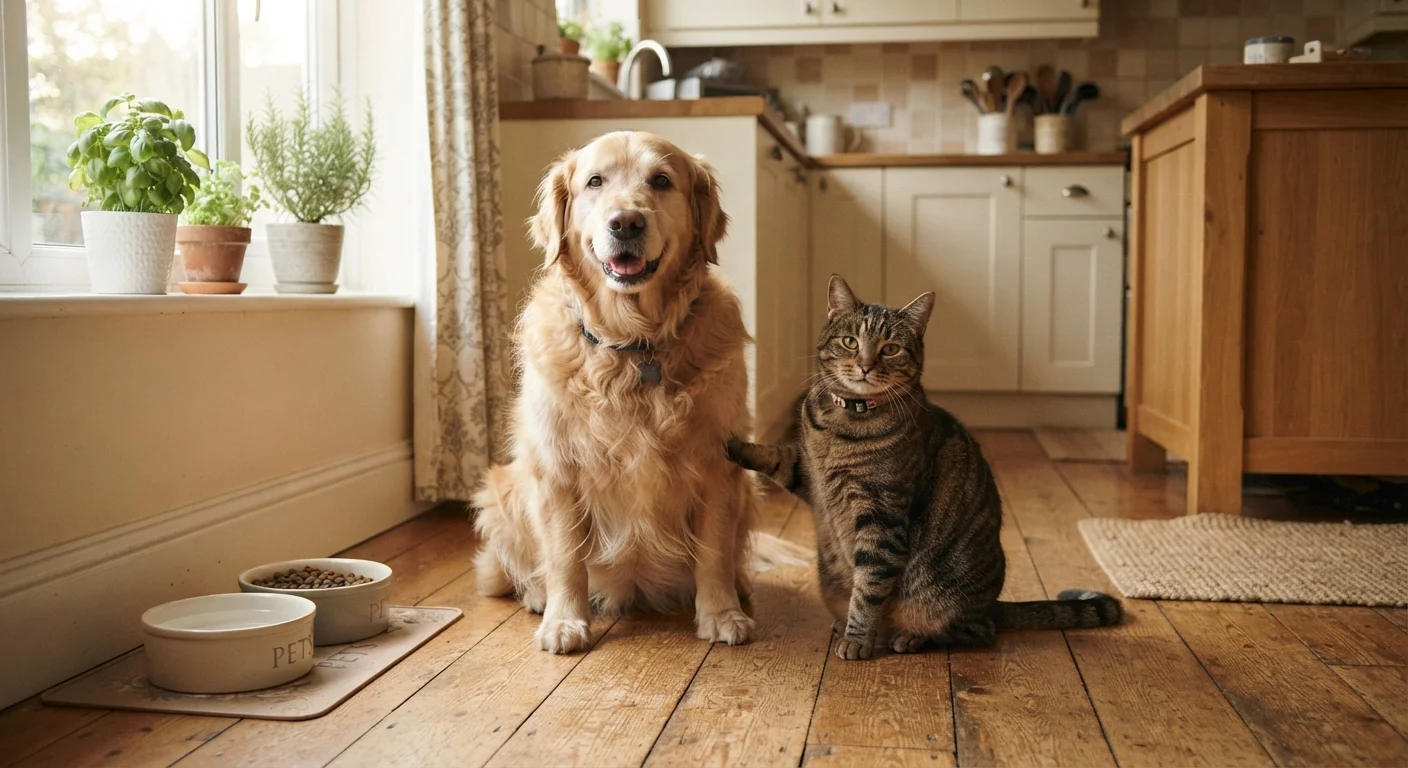
Photo: NemoFinds.com | Search, Explore, Read. editorial
Key Takeaways
- Pets gain weight due to a combination of biology, feeding habits, activity levels, and sometimes underlying medical conditions.
- Spaying or neutering can reduce a pet's metabolic rate, making caloric adjustment important afterward.
- Many owners underestimate how much they are actually feeding, including treats and table scraps.
- Certain breeds are genetically predisposed to weight gain and require extra dietary attention.
- A veterinarian's input is essential before starting any weight-loss program for a pet.
The Scale of the Problem
Across the United States, veterinary surveys consistently estimate that a substantial portion of dogs and cats — often cited between 50% and 60% — are overweight or obese. Despite how common it is, pet weight gain tends to creep up gradually in ways that can be easy to miss at home. A pound or two of extra weight on a 12-pound cat represents a very different health burden than it would on a person, because the proportional impact is far greater.
Understanding why pets gain weight requires looking at several interacting factors: biology, behavior, food choices, and environment. It is rarely as simple as "they eat too much." This article breaks down the primary contributors so owners can make more informed decisions — ideally in partnership with their veterinary team.
~59%
US dogs estimated to be overweight or obese
According to the Association for Pet Obesity Prevention's clinical surveys of dogs assessed at US veterinary practices.
~61%
US cats estimated to be overweight or obese
Also from Association for Pet Obesity Prevention surveys, reflecting similar trends among cats seen in veterinary clinics across the US.
20–30%
Potential metabolic rate reduction after spay/neuter
Veterinary nutrition literature suggests reproductive hormone removal can meaningfully reduce resting energy requirements in some dogs and cats.
Biology Works Against Them
Domesticated dogs and cats descended from animals whose survival depended on eating opportunistically — consuming food when available, conserving energy when it wasn't. That ancient wiring persists. Many pets, particularly certain breeds, are biologically inclined to eat beyond satiety signals and to store excess energy as fat efficiently.
One of the most significant biological triggers is spaying or neutering. Reproductive hormones play a role in metabolic rate regulation, and their removal can reduce a pet's resting energy needs by a meaningful margin — some estimates suggest a reduction of 20–30% in some animals. Owners who feed the same portion sizes after the procedure without adjustment are often unknowingly overfeeding.
Age is another factor. Senior pets typically have lower activity levels and slower metabolisms, meaning caloric needs decrease even as appetite may remain the same. Certain breeds carry additional genetic predispositions: Labrador Retrievers, for example, have been found to carry a gene variant associated with stronger food motivation and reduced satiety signaling.
“Obesity is the most prevalent nutritional disease we see in dogs and cats today. It shortens lives, reduces quality of life, and contributes to a range of painful, preventable conditions — yet it remains one of the most treatable problems in veterinary medicine when caught and addressed early.”
— Ernie Ward, Veterinarian and founder of the Association for Pet Obesity Prevention
Feeding Habits and Environmental Influences
Even with a healthy metabolism, feeding practices can quietly tip the balance toward weight gain. Free-feeding — leaving dry food available at all times — makes it difficult to track intake and removes natural hunger-and-satiety cycles. Measuring cup inaccuracies are also surprisingly common; even a modest daily surplus, compounded over months, accumulates into significant extra weight.
Treats are a frequently underestimated source of calories. Many owners offer treats as rewards, affection, or distraction — without accounting for those calories against daily totals. Reading pet food labels carefully can help owners understand caloric density before purchasing and portioning food or treats.
Multi-pet households add another layer of complexity. A pet who eats quickly may consume another animal's portion. A more sedentary pet living alongside a highly active one may receive the same food quantity despite needing less. Common nutrition myths — like the idea that table scraps are harmless — can also quietly add significant calories over time.
Measure Before You Pour
When to Involve Your Veterinarian
If your pet has gained noticeable weight — or if weight loss efforts at home haven't produced results — a veterinary visit is the right next step. A vet can assign a Body Condition Score, screen for underlying medical conditions (such as hypothyroidism in dogs), and help calculate a realistic daily caloric target based on your pet's ideal weight, not their current one.
Weight management in pets is genuinely medical territory. Caloric restriction that is too aggressive can harm pets, particularly cats, whose liver health is sensitive to rapid dietary change. Your vet can also recommend appropriate activity adjustments suited to your pet's current health status and mobility. For a broader view of your pet's everyday care, the Pet Care Basics hub offers practical guidance across nutrition, health, and preventive wellness.
This article is for general informational purposes only and does not constitute veterinary advice. Always consult a licensed veterinarian for guidance specific to your pet's health needs.
Frequently Asked Questions
The content on this site is for informational purposes only and is not a substitute for professional advice. Always consult a qualified professional for guidance specific to your situation.