
Keeping Ownership Costs Manageable Over the Life of a Vehicle

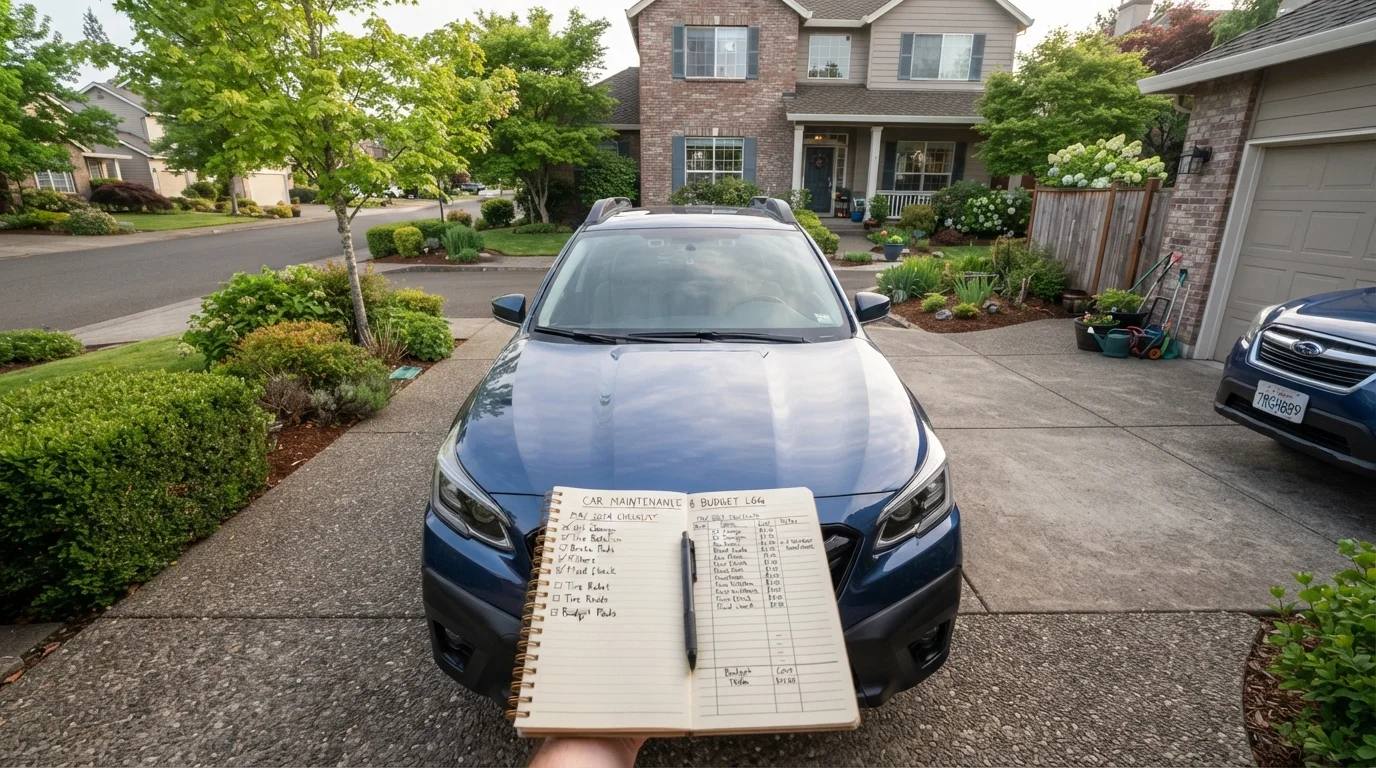
Photo: NemoFinds.com | Search, Explore, Read. editorial
Key Takeaways
- Following your manufacturer's maintenance schedule prevents costly repairs and preserves vehicle reliability.
- Reviewing your insurance coverage annually can uncover savings without sacrificing necessary protection.
- Tracking all vehicle-related expenses helps you spot cost patterns and plan for larger repairs.
- Understanding depreciation informs smarter decisions about loan terms, insurance coverage, and when to sell.
- Small, proactive habits - tire inflation, fluid checks - reduce wear and extend a vehicle's useful life.
The True Cost of Owning a Vehicle
Most drivers focus on the monthly payment when sizing up vehicle affordability. But the sticker price and loan installment are only part of the picture. Fuel, insurance, registration, routine maintenance, and unexpected repairs all compound over time - often adding up to more than the vehicle itself cost to purchase.
Understanding the full scope of ownership costs is the first step to managing them. The mechanics of vehicle depreciation also play a role: a car that loses value quickly can leave you owing more than it's worth, which affects insurance requirements and resale options. Building a realistic, complete picture of what you're spending each year is the foundation everything else rests on.
$12,000+
Average annual cost of vehicle ownership
According to AAA's annual Your Driving Costs study, the total cost of owning and operating a new vehicle - including depreciation, fuel, insurance, and maintenance - regularly exceeds $12,000 per year for many drivers.
~$1,500
Typical annual maintenance and repair spend
The Bureau of Labor Statistics Consumer Expenditure Survey consistently shows American households spending roughly $1,400-$1,600 annually on vehicle maintenance and repairs, a figure that rises with vehicle age.
Maintenance: The Highest-Return Habit
No single practice reduces long-term ownership costs more consistently than following the manufacturer's recommended maintenance schedule. Skipping oil changes, ignoring tire rotations, or deferring fluid flushes allows small problems to compound into expensive failures. A timing belt replacement, for example, costs a fraction of what an engine rebuild does if that belt snaps.
Many drivers operate on outdated assumptions - that oil needs changing every 3,000 miles, or that premium fuel benefits any engine. Our guide to common car maintenance myths separates fact from habit. For oil specifically, extended oil change intervals are appropriate for many modern vehicles but require using the right oil grade and monitoring accordingly.
Between scheduled service visits, a few low-effort habits make a meaningful difference:
- Check tire pressure monthly - underinflated tires increase fuel consumption and wear unevenly.
- Monitor fluid levels (coolant, brake fluid, windshield washer) every few weeks.
- Listen for new sounds and address them before they escalate.
For a structured approach to ongoing upkeep, the Car Maintenance hub covers the essential tasks every owner should schedule.
Follow the manufacturer's maintenance schedule, not habit or rumor.
Keep a running log of all vehicle expenses, including minor ones.
Review your insurance coverage every renewal cycle.
Address small repairs before they become large ones.
Maintain correct tire pressure consistently.
Insurance and Registration: Review, Don't Ignore
Insurance premiums tend to rise quietly at renewal - and many drivers simply pay without reviewing whether their coverage still fits their situation. If your vehicle has aged significantly or its loan has been paid off, carrying collision and comprehensive coverage at the same level as when it was new may not be the most efficient use of your budget. Conversely, new car owners often underestimate their insurance needs, particularly around gap coverage on financed vehicles.
A useful rule of thumb: if your annual comprehensive and collision premium approaches 10% of the vehicle's current market value, it may be worth reassessing coverage levels with a licensed insurance agent. Coverage decisions depend on your individual situation, financial cushion, and lender requirements - this is general guidance, not a recommendation for your specific policy.
Schedule an Insurance Review Annually
Registration fees, while less variable, are also worth tracking. Some states calculate fees based on vehicle value or weight, meaning costs shift as your car ages. Staying aware of these annual obligations helps with household budgeting.
Knowing When Holding On Makes Sense - and When It Doesn't
At some point, repair bills begin to compete with what a replacement vehicle would cost. There's no universal answer to when it's time to move on, but the calculus involves comparing ongoing repair estimates against the avoided expense of a new car payment and higher insurance costs on a newer vehicle.
Our article on owning an older car walks through this decision in practical terms. The short version: a well-maintained older vehicle with predictable, manageable repair needs is often cheaper overall than upgrading - but an aging car requiring major recurring repairs can quickly erode that advantage.
Keeping a simple expense log - noting every repair, service visit, and part replacement - makes this comparison factual rather than guesswork. It also supports warranty claims and helps a mechanic understand your vehicle's history. For a practical framework on year-round ownership responsibilities, the annual vehicle ownership checklist provides a reliable starting point.
The content on this site is for informational purposes only and is not a substitute for professional advice. Always consult a qualified professional for guidance specific to your situation.