
Registering a Vehicle in a New State: What the Process Actually Involves

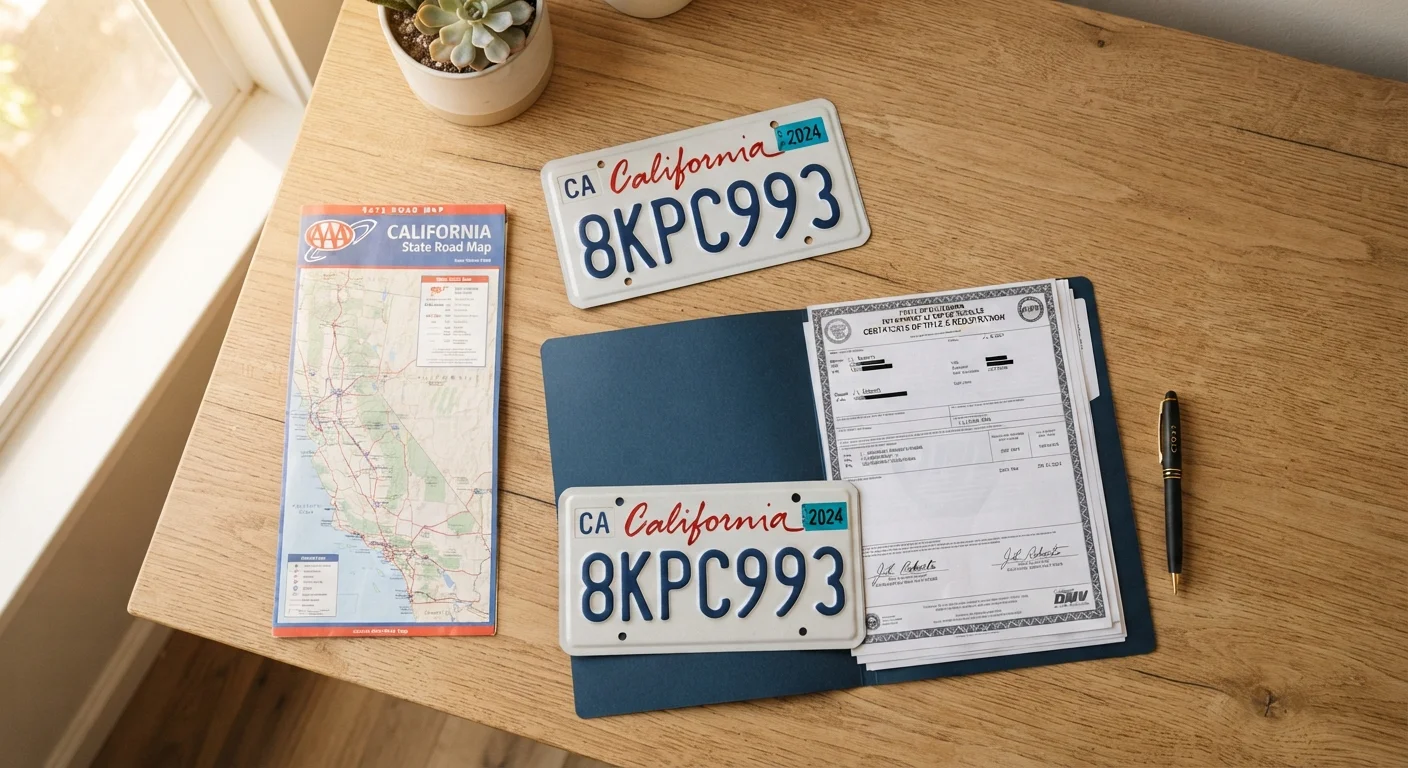
Photo: NemoFinds.com | Search, Explore, Read. editorial
Key Takeaways
- Most states require you to register your vehicle within 30 to 90 days of establishing residency.
- You'll typically need your title, proof of insurance, odometer reading, and a valid ID.
- Some states require a vehicle inspection or emissions test before issuing new plates.
- Registration fees vary significantly by state and are often based on vehicle value or weight.
- Driving with expired or out-of-state registration beyond the grace period can result in fines.
Why You Can't Skip Re-Registration
When you move to a new state, your existing registration doesn't follow you - at least not indefinitely. Every state has its own rules requiring residents to register their vehicles locally, and most set a deadline of 30 to 90 days after you establish residency. Ignoring this window isn't just a paperwork inconvenience: it can mean fines, insurance complications, and even difficulty renewing your license.
The same requirement applies if you purchase a vehicle from a private seller or dealer in a different state than where you live. In that case, you're generally given a temporary operating permit and expected to complete registration in your home state promptly.
For a broader look at all the responsibilities that come with owning a vehicle - including insurance, registration, and more - see everything first-time car owners need to know. And if you're wondering what's at stake when registration lapses, driving with expired registration carries real legal and financial consequences worth understanding.
What you will need
Step-by-Step: How to Register in Your New State
While specific requirements differ by state, the core process follows a consistent pattern. Use the steps below as your framework, then verify exact requirements on your new state's DMV or motor vehicle agency website.
Establish your new state residency
Before you can register, you generally need to demonstrate you are a resident of the new state. This typically means obtaining a new state driver's license and having a verifiable local address. Keep recent utility bills, a signed lease, or a mortgage statement on hand as proof of residency - DMVs commonly ask for these documents.
Obtain and review your vehicle title
You'll need the original certificate of title in your name to register the vehicle. If there's an active loan, your lender typically holds the title - contact them to confirm how they handle out-of-state transfers. If the title is still in a previous owner's name, you'll need to complete a title transfer first, which involves additional forms and fees at the DMV.
Update your auto insurance policy
Notify your insurer of your new address and confirm that your coverage meets your new state's minimum liability requirements. Some states have higher minimums than others. Request an updated proof-of-insurance card or digital document reflecting the new garaging address - you'll need this at the DMV.
Complete any required vehicle inspections
Check whether your new state mandates a safety inspection, emissions test, or both. If so, locate an authorized inspection station and schedule an appointment before your DMV visit. Bring the vehicle's registration from your previous state, as some inspection stations record VIN and prior registration data. A passed inspection certificate is typically required at the DMV window.
Visit the DMV and submit your application
Bring your complete document package to a DMV office or motor vehicle agency in your new state: photo ID, title, proof of insurance, odometer disclosure, inspection certificate (if required), and proof of residency. Complete the state's vehicle registration application form - many states allow you to download and pre-fill this form online to save time at the counter. Pay the required fees, which may be by check, card, or cash depending on the office.
Receive your new plates and registration certificate
Upon approval, you'll receive new license plates, a registration sticker, and a registration certificate. Affix the plates and sticker to your vehicle immediately and store the registration certificate in your glove box. Remove and properly dispose of your old out-of-state plates - some states require you to return them to the original state's DMV to avoid continued fee obligations.
Don't Miss Your State's Registration Deadline
Fees, Inspections, and Insurance Considerations
Registration fees differ widely across states. Some base fees on the vehicle's purchase price or market value; others use weight, age, or a flat-rate structure. Budget for anywhere from a modest flat fee to several hundred dollars depending on your state and vehicle type.
Many states also require a vehicle safety inspection and, in areas with air quality regulations, an emissions test. These must typically be passed before plates are issued. Inspection stations are usually independent garages, franchise service centers, or DMV-affiliated locations - check your new state's agency website for authorized providers.
On the insurance side, re-registering is also a natural prompt to review your auto policy. Coverage minimums vary by state, and your current policy may not meet your new state's requirements. Contact your insurer before or during the move to update your garaging address and confirm compliance. For a broader look at how auto coverage works, the home and auto coverage hub is a helpful starting point.
Check Your New State's DMV Website First
To stay organized beyond registration, a year-round vehicle ownership checklist can help you track renewals, inspections, and maintenance deadlines going forward.
The content on this site is for informational purposes only and is not a substitute for professional advice. Always consult a qualified professional for guidance specific to your situation.