
Engine Oil Types and What the Numbers on the Label Mean

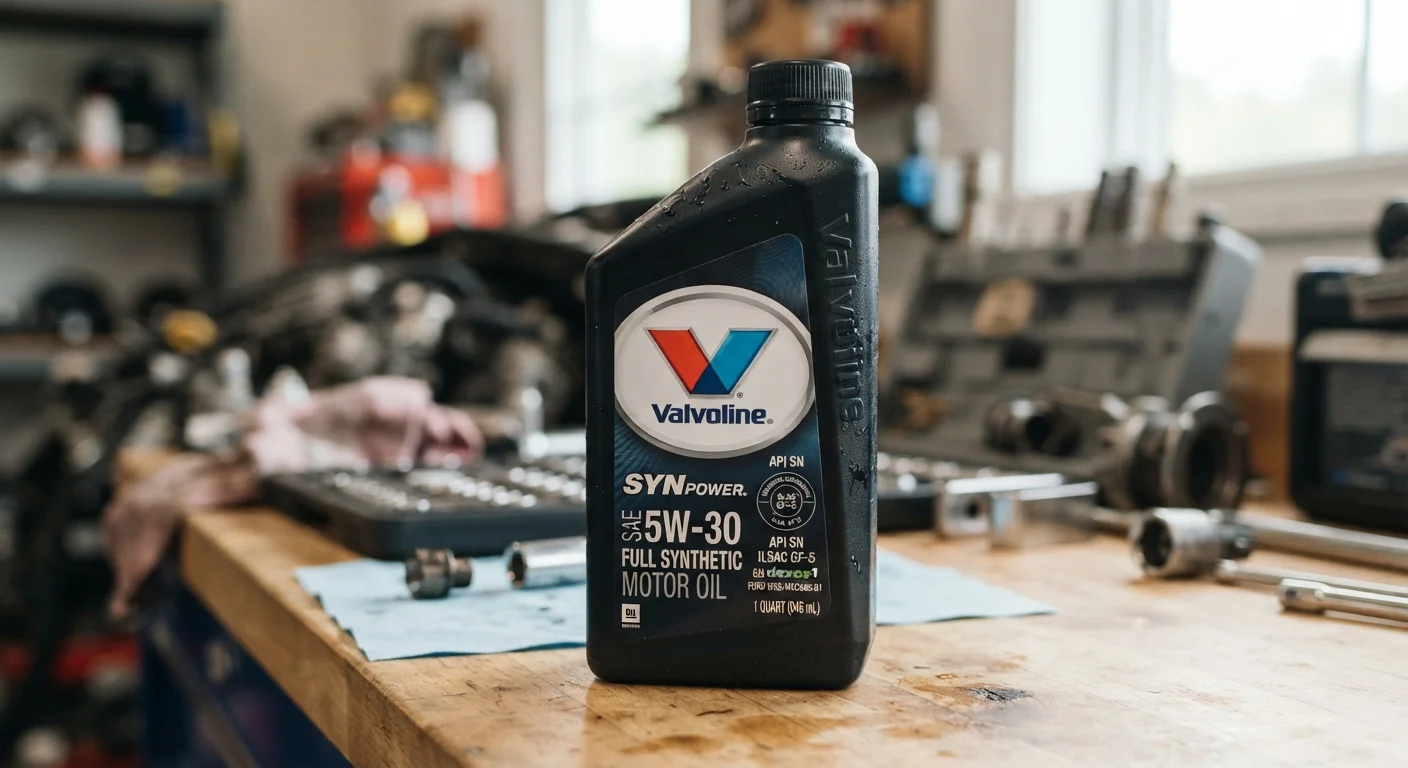
Photo: NemoFinds.com | Search, Explore, Read. editorial
What the Viscosity Numbers Actually Mean
Pick up any bottle of motor oil and you'll see a rating like 5W-30 or 10W-40 printed prominently on the label. These numbers describe the oil's viscosity - its resistance to flow - under different temperature conditions. The rating system is set by the Society of Automotive Engineers (SAE).
The number before the "W" refers to cold-weather performance. The "W" stands for winter, not weight. A lower number here means the oil flows more easily at startup in cold temperatures, which is critical because most engine wear happens in those first seconds before oil fully circulates. The number after the dash describes viscosity at normal operating temperature - a higher number means thicker oil at heat.
So 5W-30 flows better in cold conditions than 10W-30, while both offer the same protection once the engine is warm. Your owner's manual will specify which viscosity grade your engine is designed for - matching that specification is more important than any other oil decision you make.
| Viscosity rating body | Society of Automotive Engineers (SAE) |
| "W" in oil grade stands for | Winter (cold-start flow rating) |
| Common passenger car grades | 0W-20, 5W-20, 5W-30, 10W-30 |
| Current top API gasoline rating | SP (American Petroleum Institute) |
| High-mileage oil threshold | Approximately 75,000 miles |
| Best source for correct oil spec | Your vehicle's owner's manual |
Oil Types: Conventional, Synthetic, and Blends
Beyond viscosity, labels also identify the type of oil - how it was refined and formulated. There are three main categories:
- Conventional (mineral) oil is refined directly from crude petroleum. It meets basic lubrication needs and is typically less expensive, but breaks down more quickly under high heat and heavy use.
- Full synthetic oil is engineered from chemical compounds, giving it more uniform molecules, better high-temperature stability, and longer service life. It's standard in many modern engines. For a detailed comparison, see how synthetic and conventional oils compare.
- Synthetic blend oil mixes conventional base oil with synthetic additives, offering a middle ground in performance and price.
There are also high-mileage oils formulated for engines with over roughly 75,000 miles - they contain additives designed to condition aging seals and reduce oil consumption. Always defer to your manufacturer's recommendation before switching oil types.
Viscosity
A fluid's resistance to flow. In motor oil, higher viscosity means thicker oil; lower viscosity means it flows more freely, especially at cold temperatures.
SAE Grade
A viscosity classification assigned by the Society of Automotive Engineers. The grade appears as a two-part number (e.g., 5W-30) indicating cold- and hot-temperature flow behavior.
Full Synthetic Oil
Motor oil manufactured from chemically engineered base stocks rather than crude petroleum. It offers more consistent molecular structure, better thermal stability, and longer service intervals than conventional oil.
API Service Category
A quality rating issued by the American Petroleum Institute that indicates which engine types and performance standards a motor oil meets. Current gasoline engine rating is SP.
ILSAC Certification
A joint standard from automakers and oil companies that certifies an oil meets both performance and fuel-economy requirements. Identified by the Starburst symbol on the label.
Synthetic Blend
A motor oil that combines conventional petroleum base oil with synthetic components, offering improved performance over conventional oil at a lower cost than full synthetic.
API and ILSAC: The Quality Certifications
On the back or side of the bottle, you'll typically find a circular API (American Petroleum Institute) certification mark - often called the "donut." The top half indicates the service category; current gasoline engine oils carry the prefix SP (as of recent API standards), while diesel engines use "C" categories such as CK-4.
The ILSAC (International Lubricant Standardization and Approval Committee) "Starburst" symbol appears on oils meeting fuel-economy and performance standards jointly developed by automakers. If your manual calls for an ILSAC-certified oil, look for that mark.
Always Follow Your Owner's Manual First
Choosing an oil that meets or exceeds your vehicle's specified API and ILSAC ratings helps ensure your engine receives the protection it was engineered to receive. Using an oil that falls short of those ratings - regardless of price - may leave your engine underprotected. If you're reconsidering how often to change that oil, read about extended oil change intervals before adjusting your schedule.
The content on this site is for informational purposes only and is not a substitute for professional advice. Always consult a qualified professional for guidance specific to your situation.