
Synthetic Oil vs. Conventional Oil: What's the Real Difference?

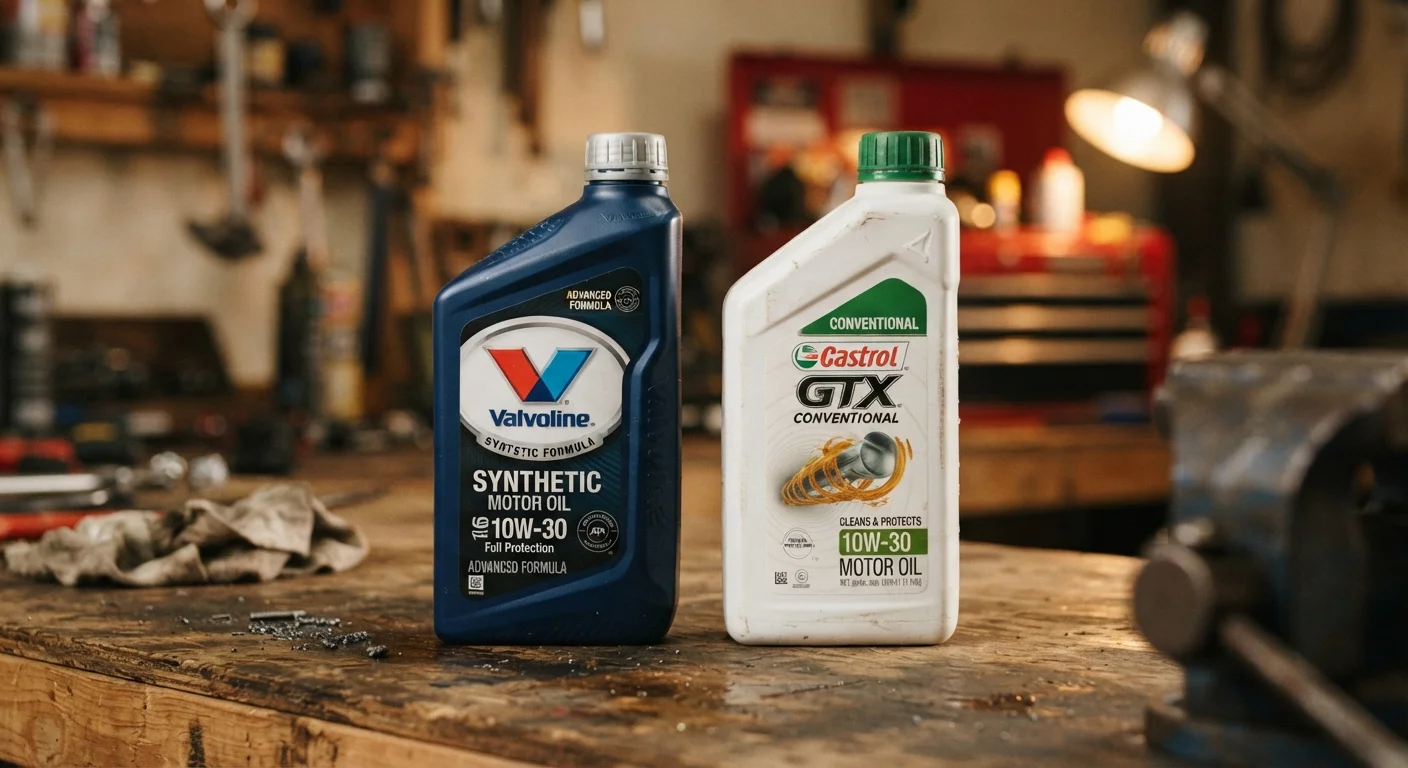
Photo: NemoFinds.com | Search, Explore, Read. editorial
Key Takeaways
- Synthetic oil is chemically engineered for consistent molecular structure, while conventional oil is refined from crude petroleum.
- Synthetic oil generally lasts longer between changes - often 7,500 to 15,000 miles versus 3,000 to 5,000 for conventional.
- Conventional oil typically costs less per quart, but synthetic's longer service life can offset that difference over time.
- Your vehicle manufacturer's recommendation - not marketing - should guide your oil choice.
- Some engines, especially older ones, may not be compatible with a switch to full synthetic without inspection first.
Where Each Oil Comes From
Conventional motor oil starts as crude petroleum extracted from the ground. Refiners remove many impurities and add performance additives, but the base oil retains naturally occurring molecular variations - some chains are longer, some shorter, and not all of them behave identically under pressure and heat.
Synthetic motor oil is built differently. Its base oil is either synthesized from chemical compounds or heavily processed petroleum that's been broken down and reassembled into uniform, purpose-designed molecules. The result is a more consistent, predictable lubricant. For a deeper look at how these oil types are labeled and classified, see our guide to engine oil types and label numbers.
Both types also contain additive packages - detergents, anti-wear agents, antioxidants - that degrade over time regardless of the base oil, which is one reason regular oil changes remain essential for both.
Head-to-Head: How They Compare
The differences between synthetic and conventional oil show up most clearly in performance under stress. Here's how they stack up across the criteria that matter most to everyday drivers.
| Criterion | Synthetic Oil | Conventional Oil |
|---|---|---|
| Base source | Engineered chemical compounds | Refined crude petroleum |
| Molecular consistency | Uniform, purpose-designed | Variable, naturally occurring |
| Cold-weather performance | Flows faster at low temps | Thickens more in cold |
| Heat resistance | High - resists breakdown | Moderate - degrades faster |
| Typical change interval | 7,500-15,000 miles | 3,000-5,000 miles |
| Cost per quart | Higher | Lower |
| Availability | Widely available | Universally available |
| Best engine fit | Modern, high-performance engines | Older or low-stress engines |
One nuance worth noting: synthetic blend oils mix both base types and sit between the two in cost and performance. They're a common middle-ground option in many vehicles and service centers.
What This Means for Your Engine and Wallet
At cold startup - the moment when most engine wear actually occurs - oil needs to flow quickly to critical components. Synthetic oil maintains lower viscosity in freezing temperatures, reaching engine parts faster than conventional oil in the same conditions. In high heat, synthetic is more resistant to breaking down and forming sludge, which can clog oil passages over time.
7,500-15,000 mi
Typical synthetic oil change interval
Many synthetic oil manufacturers and automakers recommend change intervals in this range, compared to 3,000-5,000 miles commonly cited for conventional oil.
~2-4x
Cost premium of synthetic per quart
Synthetic motor oil generally costs two to four times more per quart than conventional, though the gap varies by brand and viscosity grade.
Up to 50%
Faster oil flow at cold startup
Industry testing has shown synthetic oils can flow significantly faster than conventional at low temperatures, reducing wear during the critical first seconds after startup.
Cost is where the comparison gets more nuanced. Conventional oil costs less per quart, but synthetic's longer service interval means fewer changes per year. Whether synthetic saves money overall depends on your driving habits, the service cost in your area, and whether you do your own oil changes. It's worth calculating on your own terms rather than assuming one is always cheaper.
If you're weighing whether to stretch your oil change intervals, our article on the pros and cons of extended oil change intervals lays out what to consider before going longer between changes.
Which Oil Is Right for Your Vehicle?
The single most reliable guide is your owner's manual. Automakers specify the oil type and viscosity grade required for their engines - these recommendations are based on engineering requirements, not marketing. Using a lower grade than specified can void your warranty and compromise engine protection. Using a higher grade than specified offers no additional benefit and may even affect fuel economy.
Always Follow Your Manufacturer's Specification
If your vehicle currently uses conventional oil and you're considering switching to synthetic, there's generally no harm in doing so for most modern engines - but consult your mechanic if your vehicle has over 75,000 miles or has had any oil-related issues. Some older seals may respond differently to the change.
The bottom line: both oils do the job they're designed for. The right choice is the one your engine is built for, maintained consistently, and changed before it degrades - not the one with the most compelling label on the shelf.
This article is for general informational purposes only. Always consult your vehicle's owner's manual and a qualified mechanic before making changes to your maintenance routine.
The content on this site is for informational purposes only and is not a substitute for professional advice. Always consult a qualified professional for guidance specific to your situation.