
Safe Driving on US Roads: The Complete Reference

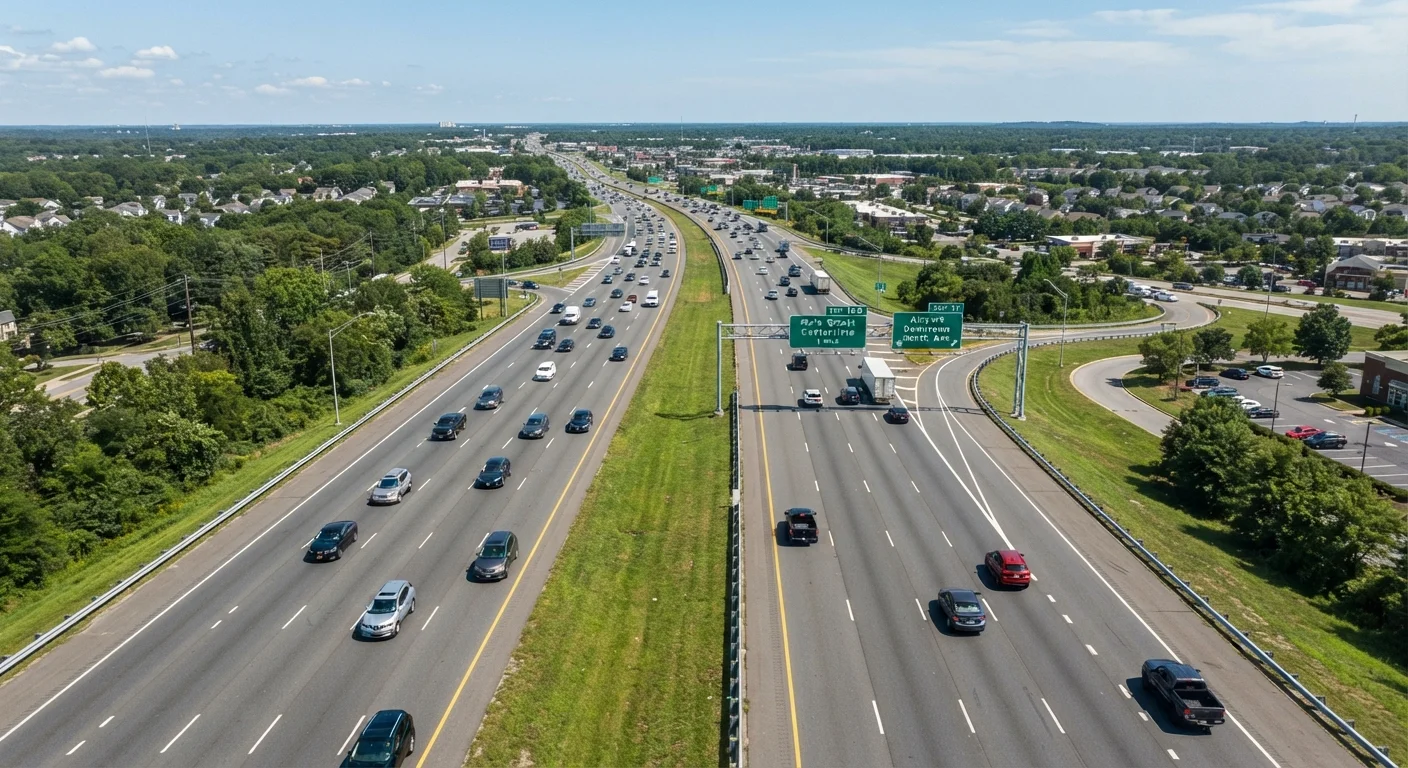
Photo: NemoFinds.com | Search, Explore, Read. editorial
Key Takeaways
- Distracted and drowsy driving contribute to tens of thousands of US crashes each year.
- Defensive driving means anticipating hazards, not just reacting to them.
- Weather, speed management, and following distance are three controllable risk factors.
- Regular vehicle maintenance—especially tires—is a direct safety measure.
- Even experienced drivers benefit from revisiting core habits periodically.
Why Safe Driving Still Matters
Despite decades of safety improvements—seatbelts, airbags, advanced driver-assistance systems—road crashes remain a leading cause of injury and death in the United States. The National Highway Traffic Safety Administration (NHTSA) consistently reports tens of thousands of traffic fatalities annually, with many more serious injuries.
What's striking is how many of these incidents involve known, preventable behaviors: speeding, distraction, impairment, and fatigue. That means a large share of crashes are not random bad luck—they're the result of choices that drivers can change.
~40,000
US traffic fatalities per year
NHTSA data consistently places annual US road deaths in this range, underscoring ongoing urgency around driver behavior.
~8–9 seconds
Average phone glance while driving
Research on distracted driving shows that a typical phone interaction takes the driver's eyes off the road for several critical seconds.
3 seconds
Minimum recommended following distance
Traffic safety authorities broadly recommend the three-second rule as a baseline gap between your vehicle and the one ahead.
This guide covers the practical knowledge everyday drivers need: road rules, defensive technique, hazard management, and vehicle readiness. Whether you're a new driver or have years behind the wheel, consistent habits matter more than experience alone. Research suggests that defensive habits tend to fade over time, making periodic review genuinely worthwhile.
Core Road Rules Every Driver Should Know
US traffic law varies by state, but several foundational rules apply almost universally and are worth keeping sharp.
- Right-of-way: At four-way stops, the first vehicle to stop goes first. When two vehicles arrive simultaneously, yield to the driver on your right. At uncontrolled intersections, yield to traffic already in the intersection.
- Speed limits: Posted limits set the legal maximum, not a target. Conditions—rain, fog, heavy traffic—often require driving well below the posted limit to remain safe.
- Following distance: The three-second rule is a minimum. In poor visibility or at highway speeds, extend this to four or five seconds. Tailgating sharply reduces your reaction time.
- Lane discipline: Keep right except to pass on multi-lane roads. Signal every lane change and check mirrors plus blind spots before moving.
- School zones and emergency vehicles: Slow down in school zones when signals are active. Pull to the right and stop for approaching emergency vehicles with lights or sirens on.
When in Doubt, Yield
Understanding right-of-way rules reduces ambiguity in complex intersections and is one of the most commonly misunderstood areas of traffic law. When in doubt, yield—it's never wrong to give way when the situation is unclear.
Defensive Driving: The Foundational Mindset
Defensive driving is the practice of anticipating hazards before they become emergencies. It shifts a driver's role from passive operator to active risk manager.
Key Principles
- Scan ahead: Keep your eyes moving 12–15 seconds down the road. Look for merging vehicles, brake lights, pedestrians, and road debris.
- Maintain an escape route: Position your vehicle so you always have a path to move if a hazard appears suddenly.
- Assume unpredictability: Other drivers may run red lights, brake without warning, or drift lanes. Plan for those possibilities, not just ideal behavior.
- Manage space on all sides: Avoid lingering in another vehicle's blind spot, especially trucks. Space around your car gives you more time to respond.
When approaching an intersection with a green light, briefly ease off the accelerator and scan cross traffic before committing. Green means you have the right of way—not that it's guaranteed to be clear.
Set your mirrors so that your own vehicle is barely visible at the inner edge of each side mirror. This maximizes your coverage of adjacent lanes and reduces blind spots.
Defensive driving is not defensive timidity—it's informed confidence. Drivers who practice it regularly tend to have smoother, calmer driving experiences because they're working with traffic patterns rather than reacting to surprises.
Managing Distractions and Fatigue
Distraction and drowsiness are two of the most underestimated risks on US roads. Both impair reaction time and decision-making in ways that drivers frequently underestimate about themselves.
Distracted Driving
Glancing at a phone for five seconds at 55 mph means traveling roughly the length of a football field without looking at the road. Handheld phone use while driving is illegal in most US states. Even hands-free calls create cognitive distraction that meaningfully reduces situational awareness.
Drowsy Driving
Driving after 18–20 hours without sleep produces impairment comparable to a blood-alcohol level above the legal limit, according to NHTSA research. Warning signs include difficulty focusing, missing exits, heavy eyelids, or drifting out of your lane. If you notice these signs, pulling over safely to rest is the only reliable remedy—caffeine and music provide only short-term masking of impairment.
Drowsy Driving Is Underreported and Dangerous
Fatigue disproportionately affects younger drivers, shift workers, and anyone driving long stretches late at night or in the early morning hours. Plan long trips with scheduled rest stops every two hours or 100 miles as a general guideline.
Driving in Challenging Conditions
Weather and low-visibility environments demand adjusted technique, not just more attention.
Rain
Wet roads significantly reduce tire traction. Reduce speed, increase following distance, and avoid sudden braking or steering inputs. Hydroplaning—where tires ride on a film of water rather than the road surface—can occur at speeds as low as 35 mph on worn tires. Ease off the accelerator gradually if it happens; do not brake sharply.
Snow and Ice
Accelerate, brake, and steer gently. If your vehicle goes into a skid on ice, steer in the direction of the skid and ease off the gas. Bridges and overpasses freeze before road surfaces because cold air circulates beneath them.
Fog and Night Driving
Use low-beam headlights in fog—high beams reflect off water droplets and reduce visibility further. At night, reduce speed enough that your stopping distance falls within your headlight range. Dim interior lights to reduce windshield glare.
Adjust Speed for Conditions, Not Just the Limit
Vehicle Readiness and Tire Safety
Safe driving begins before you turn the key. A vehicle that isn't mechanically sound adds unavoidable risk regardless of driver skill.
Tires are particularly critical. Worn tread, incorrect inflation, and improper rotation all affect how your vehicle brakes, corners, and responds in emergencies. For a thorough breakdown, see our complete tire care guide.
Pre-Drive Checks Worth Building Into Your Routine
- Verify all lights are functioning, including brake lights.
- Check that mirrors are properly positioned before moving.
- Confirm tire pressure monthly and before any long trip.
- Keep windshield washer fluid filled and wiper blades in good condition.
Don't Neglect Brake and Tire Inspections
Maintaining your vehicle is also a financial decision. Addressing small issues early—brake pads, tire wear, fluid levels—generally costs far less than repairs that result from neglect. If managing repair expenses is a challenge, building a dedicated vehicle savings fund can help spread those costs predictably.
Consistent vehicle upkeep combined with strong driving habits gives you the highest degree of control over your safety on the road. No technology or rule substitutes for an attentive, prepared driver behind the wheel.
This article is for general informational and educational purposes. Traffic laws vary by state. For legal or safety guidance specific to your situation, consult your state's department of motor vehicles or a qualified professional.
The content on this site is for informational purposes only and is not a substitute for professional advice. Always consult a qualified professional for guidance specific to your situation.