
Tire Care from the Ground Up

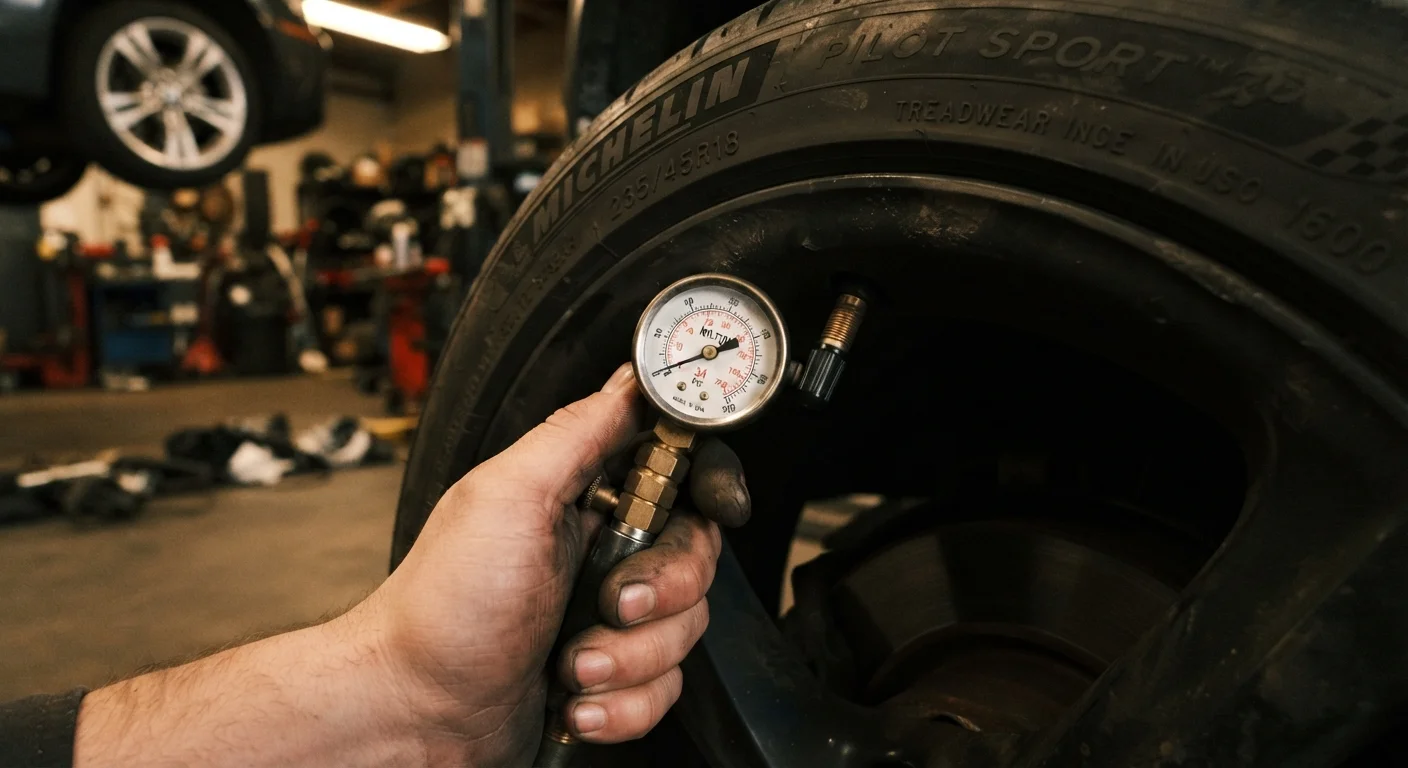
Photo: NemoFinds.com | Search, Explore, Read. editorial
Key Takeaways
- Check tire pressure monthly and before long trips — use the number on the door jamb, not the tire sidewall.
- The penny test is a quick way to assess tread depth; 2/32 inch is the legal minimum in most U.S. states.
- Rotating tires every 5,000–7,500 miles promotes even wear and extends overall tire life.
- Proper alignment and balance reduce uneven wear, improve fuel economy, and prevent handling problems.
- Seasonal driving conditions — winter, rain, extreme heat — place different demands on tire performance.
Why Tires Are Your Vehicle's Most Critical Safety Component
Every control input you make — braking, steering, accelerating — is transmitted to the road through four patches of rubber roughly the size of your palm. Tires are the only point of contact between a two-ton vehicle and the pavement, which makes their condition directly tied to your safety and the safety of everyone around you.
Neglecting tires is one of the most common and preventable causes of vehicle accidents and roadside emergencies in the United States. The good news: most tire problems are caught early with routine, inexpensive checks that take just a few minutes. Whether you're a new driver or a seasoned one, building tire awareness into your routine is foundational. See our first-time owner maintenance guide for the broader upkeep context.
11,000+
Annual U.S. tire-related crashes
The National Highway Traffic Safety Administration (NHTSA) has linked tire failures to thousands of crashes, injuries, and fatalities annually in the United States.
~1 PSI
Pressure drop per 10°F temperature fall
This is a well-established physical property of air in tires, making seasonal pressure checks especially important in regions with significant temperature swings.
2/32"
Legal minimum tread depth (most U.S. states)
Most states set this as the threshold for tire replacement; safety advocates commonly recommend replacing at 4/32" for better wet-road performance.
Tire Pressure: Getting It Right Every Time
Tire pressure is measured in PSI (pounds per square inch). Both underinflation and overinflation create problems: underinflated tires wear unevenly, reduce fuel efficiency, and are more prone to blowouts; overinflated tires reduce the contact patch with the road, making handling unpredictable and increasing the risk of damage from road hazards.
The correct PSI for your vehicle is printed on a sticker inside the driver's door jamb — not the maximum PSI stamped on the tire sidewall, which is the tire's structural limit, not the recommended operating pressure. Use a quality gauge (digital or stick-type) to check all four tires and the spare at least once a month and always before a long road trip.
Always Check Pressure on Cold Tires
Remember that tire pressure drops roughly 1 PSI for every 10°F decrease in ambient temperature. This means a tire properly inflated in summer may read low on a cold winter morning. Always check pressure when tires are cold — before driving more than a mile — for the most accurate reading.
For a quick safety walkthrough that includes tire pressure as part of a pre-drive routine, refer to our pre-trip safety checklist.
Tread Depth: Knowing When to Replace
Tread channels water away from the contact patch, preventing hydroplaning on wet roads and maintaining grip on loose surfaces. As tread wears down, that ability diminishes significantly. In most U.S. states, the legal minimum tread depth is 2/32 of an inch, but many safety organizations recommend replacing tires at 4/32 inch for adequate wet-weather performance.
The penny test is a widely known quick check: insert a penny into a tread groove with Lincoln's head pointing down. If you can see all of Lincoln's head, tread is at or below 2/32 inch and replacement is overdue. For a more conservative check, use a quarter — if Washington's head is fully visible, you're at approximately 4/32 inch.
Worn Tires Significantly Increase Stopping Distance
Most modern tires also include tread wear indicator bars — small raised rubber bars molded into the grooves at 2/32 inch depth. When the tread surface becomes flush with these bars, the tire has reached its legal wear limit.
Inspect tires visually at least monthly for uneven wear patterns. Wear concentrated on the outer or inner edges often signals an alignment issue; wear down the center suggests chronic overinflation. Unusual wear patterns warrant a mechanic's assessment.
Tire Rotation: The Schedule That Extends Tire Life
Tires on different axles wear at different rates. Front tires on front-wheel-drive vehicles typically wear faster because they handle both steering and drive forces simultaneously. Rotating tires moves them to different positions around the vehicle so wear is distributed more evenly across all four.
Most vehicle manufacturers recommend rotating tires every 5,000 to 7,500 miles, or with every other oil change — though you should always follow your vehicle owner's manual for the specific interval. The rotation pattern (front-to-rear, cross-rotation, or full-cross) depends on your drivetrain and whether your tires are directional or non-directional. A qualified tire technician can advise on the right pattern for your setup.
Pair every tire rotation with a visual inspection of brake components — technicians have the wheels off anyway and spotting brake wear early saves money and prevents safety issues.
Keep a small digital tire gauge in your glove box and set a recurring monthly reminder on your phone to check all four tires before the car has been driven.
Skipping rotations doesn't just shorten tire life — it can void some tire warranties. Keeping a simple log of rotation dates and mileage makes it easy to stay on schedule. Find this habit as part of a broader ownership calendar in our annual vehicle ownership checklist.
Alignment and Balancing Explained
Wheel alignment refers to the angles at which your tires meet the road. When alignment is off — often caused by hitting a pothole, curb, or accumulating normal wear — tires scrub against the pavement at a slight angle, causing rapid and uneven wear on one edge. Signs of misalignment include the vehicle pulling to one side or a crooked steering wheel when driving straight.
Wheel balancing addresses weight distribution around each tire-and-wheel assembly. An out-of-balance tire causes vibration, typically felt in the steering wheel or seat at highway speeds, and contributes to uneven tread wear.
Alignment should be checked whenever you notice pulling or uneven wear, after significant impacts, and at least annually for most drivers. Balancing is typically done when tires are installed or rotated and whenever vibration appears. Both are inexpensive services with a meaningful impact on tire longevity and ride quality.
Keeping your tires in proper alignment also improves fuel economy — a misaligned vehicle creates rolling resistance that the engine must overcome. Safe vehicle handling matters as much on the highway as it does in local traffic; our complete safe driving reference covers road behavior in depth.
Seasonal and Situational Tire Considerations
All-season tires are designed to handle a range of conditions competently, but they make trade-offs. In regions with sustained winter temperatures below 45°F or regular snow and ice, dedicated winter tires — made of a softer rubber compound that stays pliable in the cold and featuring deeper, more aggressive tread patterns — provide substantially better braking and grip than all-seasons.
Summer heat also affects tires. High pavement temperatures increase internal tire pressure and accelerate wear, especially on underinflated tires. Checking pressure more frequently in peak summer months is a sensible habit.
Spare Tires Need Attention Too
If you tow a trailer, carry heavy loads regularly, or drive a truck or SUV used off-road, verify that your tires carry the appropriate load rating and that your inflation matches the loaded-vehicle recommendation, which may differ from the standard door-jamb value.
Maintaining your tires is part of responsible vehicle ownership at every level — from the routine checks you do in your driveway to the seasonal swaps that keep you safe through winter. For a broader look at what good vehicle stewardship looks like day-to-day, explore our safe driving hub and check our fluid levels guide to round out your mechanical awareness.
This article provides general automotive information and education. Always consult your vehicle owner's manual and a qualified tire or automotive professional before making maintenance decisions specific to your vehicle.
The content on this site is for informational purposes only and is not a substitute for professional advice. Always consult a qualified professional for guidance specific to your situation.