
Widely Believed Health Habits That Don't Hold Up to Scrutiny

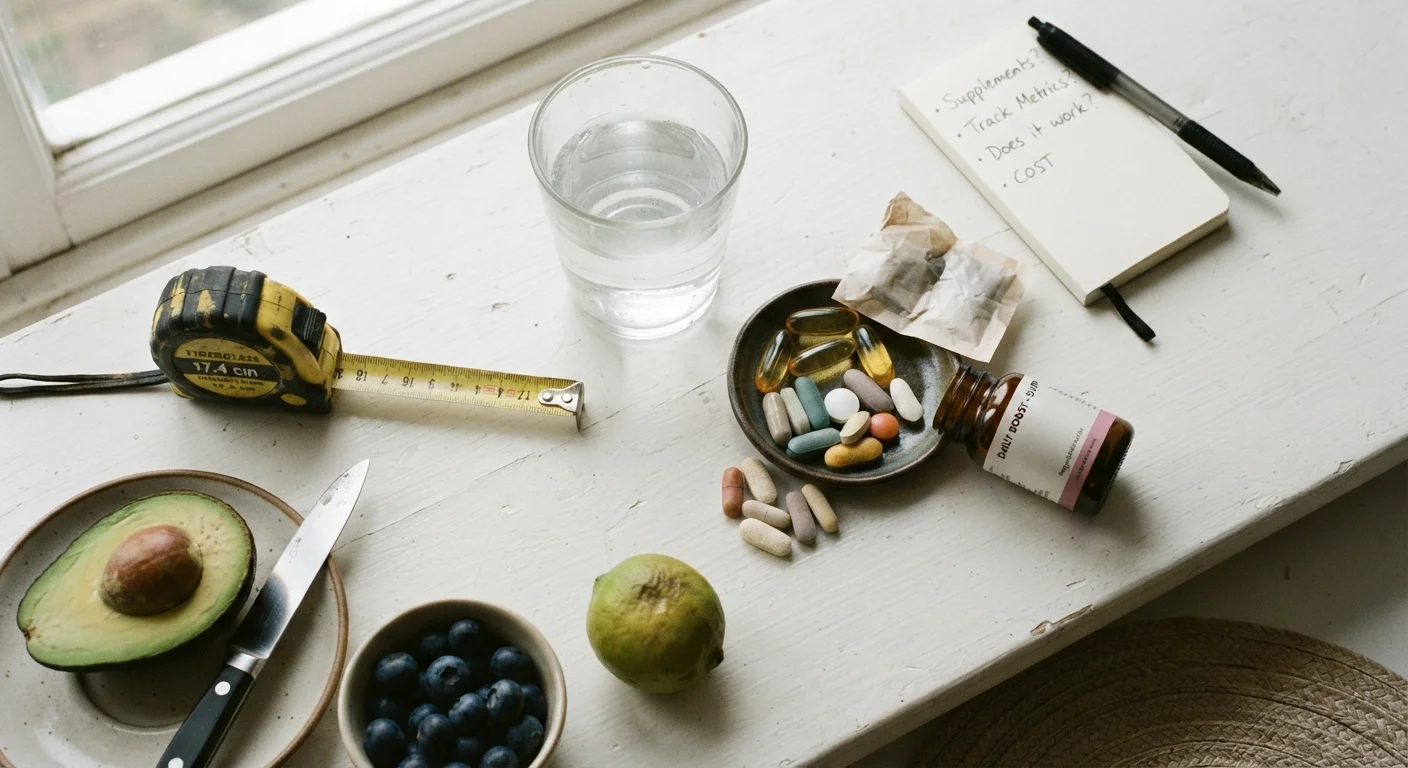
Photo: NemoFinds.com | Search, Explore, Read. editorial
Key Takeaways
- The 'eight glasses of water a day' rule is a rough guideline, not a universal prescription backed by hard science.
- Commercial detox cleanses have no credible clinical evidence supporting their purported liver or colon benefits.
- Sweating during exercise does not flush toxins — your kidneys and liver handle that job automatically.
- Skipping breakfast is not inherently unhealthy; individual needs and overall diet quality matter more.
- More sleep is not always better — quality and consistency matter as much as total hours.
Why Common Wellness Advice Deserves a Second Look
Health habits spread quickly — through social media, word of mouth, and well-meaning family advice. Many feel intuitively logical or have been repeated so often they seem like established fact. But when researchers put popular wellness rules under controlled study, the results are frequently more complicated than the headline version suggests.
This doesn't mean all conventional health guidance is wrong. Much of it is grounded in real evidence. The problem is when nuanced findings get simplified into rigid universal rules. Below, we fact-check some of the most widely repeated wellness habits and explain what the research actually shows. For a deeper look at nutrition-specific myths, see our guide to persistent nutrition myths.
Myth
You must drink eight 8-ounce glasses of water every day to stay properly hydrated.
Fact
Fluid needs vary significantly by body size, activity level, climate, and diet — and much of your daily intake comes from food and other beverages.
The "8x8" rule is a convenient shorthand, but it lacks a firm scientific foundation. The U.S. National Academies of Sciences, Engineering, and Medicine suggests general adequate intake levels, but these are population averages — not individual prescriptions. Foods like fruits, vegetables, and soups contribute meaningfully to daily fluid intake. Thirst is generally a reliable indicator of hydration status in healthy adults, though older adults and very active individuals may need to be more deliberate. Learn more about what counts toward hydration.
Myth
Detox cleanses and juice fasts clear harmful toxins from your liver and digestive system.
Fact
The liver and kidneys continuously filter waste from your bloodstream without any help from commercial cleanse products.
No peer-reviewed clinical evidence supports the claim that juice cleanses, herbal detox teas, or colon flushes remove toxins or improve organ function in healthy people. "Toxin" in this context is usually left undefined — because the concept as marketed doesn't map onto specific, measurable compounds. Your liver, kidneys, lymphatic system, and skin handle genuine waste removal around the clock. Some cleanse products may cause digestive discomfort, electrolyte imbalances, or interact with medications. See our nutrition myths article for more on detox diet claims.
Myth
Sweating heavily during a workout helps your body flush out toxins.
Fact
Sweat's primary function is temperature regulation, not detoxification — the kidneys and liver perform that role.
Sweat is composed almost entirely of water and electrolytes like sodium and potassium. While trace amounts of certain compounds appear in sweat, the quantities are negligible compared to what the kidneys process. Exercising for cardiovascular health, muscle strength, and metabolic function is well-supported by evidence — but sweating more is not a meaningful detox mechanism. Inducing excessive sweat through saunas or sweat suits without medical supervision can lead to dehydration and heat-related illness.
Myth
Eating breakfast is essential for everyone — skipping it slows metabolism and causes weight gain.
Fact
Breakfast timing effects vary by individual, and skipping it is not inherently harmful for healthy adults.
Research on breakfast and metabolism is mixed. Some studies show breakfast eaters maintain healthier overall diet patterns, but this appears to reflect lifestyle factors rather than breakfast itself conferring a metabolic advantage. For people who are not hungry in the morning, forcing a meal does not appear to offer clear benefit. What matters more is total daily nutrition quality, sleep, and activity patterns. People with specific health conditions — such as diabetes — should consult their healthcare provider about meal timing, as individual needs differ substantially.
Myth
More sleep is always better — the longer you sleep, the healthier you'll be.
Fact
Both insufficient and excessive sleep are associated with health risks; sleep quality and consistency matter as much as total duration.
Most adults function best with seven to nine hours per night, according to guidance from sleep researchers, but regularly sleeping significantly more than nine hours has been associated in observational studies with increased risk of certain health conditions — though researchers note this relationship may reflect underlying illness rather than excess sleep causing harm. Consistency of sleep timing and the quality of sleep (fewer interruptions, adequate deep and REM sleep stages) are recognized as important factors alongside total hours. Chronic sleep deprivation carries well-documented health risks and should not be dismissed.
What Actually Works: Building Habits on Solid Ground
Debunking a myth doesn't mean abandoning the underlying goal. Staying hydrated, supporting your body's natural detox systems, and getting consistent sleep are all genuinely important — the science just points to more flexible, personalized approaches than rigid rules suggest.
76%
Adults who believe detox products remove toxins
Surveys of consumer health beliefs consistently find a majority of adults accept detox marketing claims despite a lack of clinical evidence supporting them.
7–9 hrs
Recommended nightly sleep for most adults
The American Academy of Sleep Medicine and Sleep Research Society recommend this range for adults to support optimal health and functioning.
~20%
Daily fluid intake that comes from food
The U.S. National Academies estimate roughly 20% of daily water intake comes from food sources such as fruits, vegetables, and soups — not beverages alone.
The most durable wellness habits tend to be consistent, sustainable, and individualized. Rather than following universal formulas, focus on how your body actually responds — energy levels, sleep quality, digestion, and mood are reliable feedback signals. For more on what adequate daily hydration really looks like, our hydration guide breaks it down clearly, including how foods and beverages beyond plain water contribute to your daily fluid intake.
Always Consult a Healthcare Professional
This article is for general informational and educational purposes only and is not a substitute for professional medical advice. Always consult a qualified healthcare provider before making changes to your health routine.
The content on this site is for informational purposes only and is not a substitute for professional advice. Always consult a qualified professional for guidance specific to your situation.