
A Weekly Grocery Audit for More Nutritious Eating

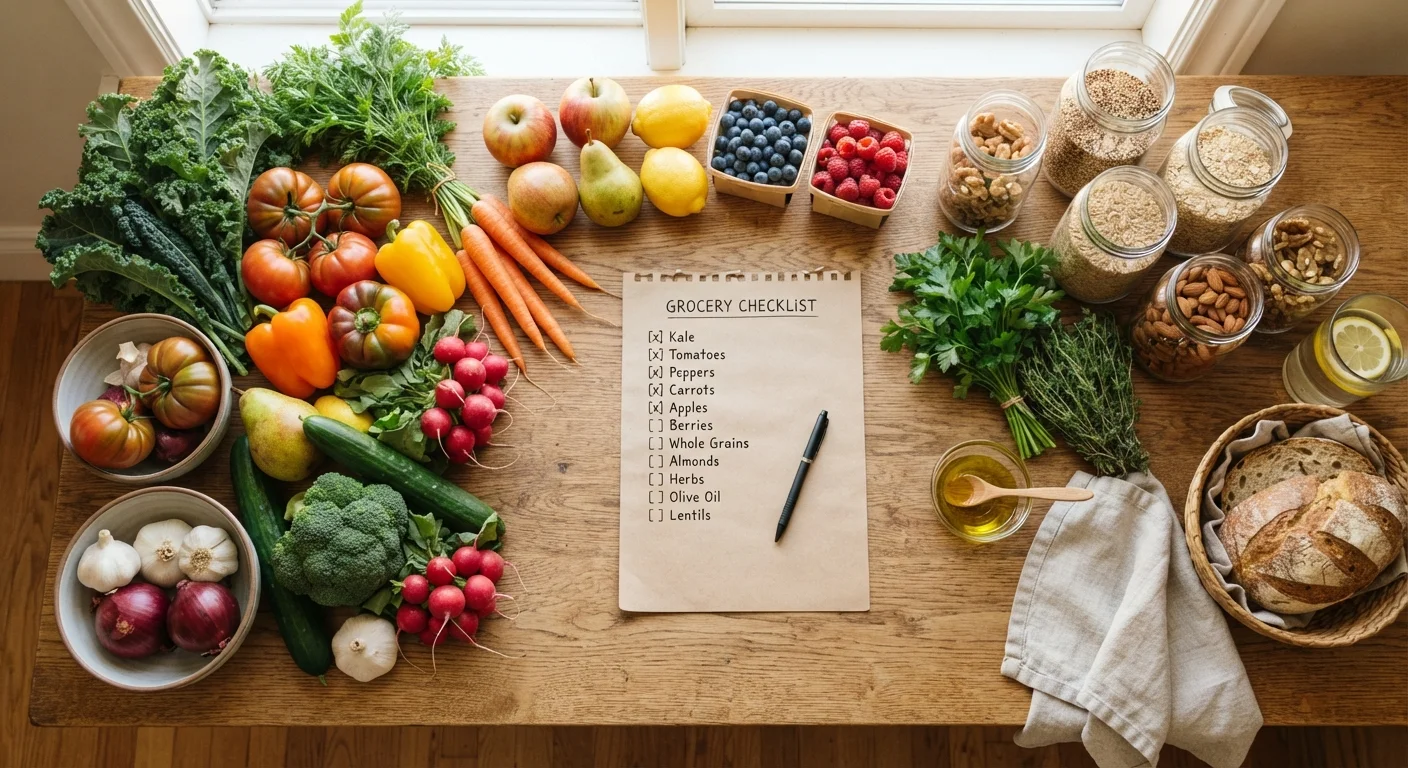
Photo: NemoFinds.com | Search, Explore, Read. editorial
Key Takeaways
- A weekly grocery audit helps you spot nutritional gaps before they become entrenched habits.
- Reviewing produce variety, protein sources, and pantry staples covers most dietary blind spots.
- Reading nutrition labels critically — not just calorie counts — leads to more informed choices.
- Tracking what gets wasted reveals purchasing patterns that undermine healthy eating goals.
- Small, consistent adjustments to your grocery list are more sustainable than complete overhauls.
Why Audit Your Grocery Habits?
Most of us shop on autopilot — reaching for the same items week after week without stepping back to ask whether those choices actually reflect how we want to eat. A grocery audit isn't a diet plan or a restriction exercise. It's a simple, structured check-in that helps you see your patterns clearly so you can make deliberate choices rather than default ones.
Think of it the way you might approach a daily wellness self-audit: not as a judgment exercise, but as an honest look at where habits are serving you and where small adjustments could make a real difference. Done weekly, this audit takes less than 30 minutes and gives you a practical snapshot of your nutritional landscape.
It's also worth noting that grocery stores are deliberately designed to influence your choices — from end-cap displays to eye-level product placement. Understanding your own patterns is one of the most effective ways to shop with more intention. Our guide on how grocery store layouts work explains the tactics stores use and how to navigate them.
Notepad or notes app
Record observations, gaps, and adjustments as you work through the checklist each week.
Last week's grocery receipt
Use as a reference to review exactly what you purchased without relying on memory.
Nutrition label decoder resource
A trusted reference (such as FDA label-reading guidance) to help interpret unfamiliar terms on packaged food labels.
Meal planning template
Helps you map planned meals to ingredients so you can reduce waste and identify nutritional gaps before shopping.
How to Use This Checklist
Run through this audit once a week — ideally before you write your next grocery list. You'll review what you bought last week, what actually got eaten, what got wasted, and where the nutritional gaps are. Keep a notepad or a simple notes app open so you can jot observations as you go.
This is general nutritional guidance, not a substitute for personalized advice from a registered dietitian or your healthcare provider — especially if you're managing a chronic condition, food allergy, or specific dietary requirement.
Don't Use This as a Restriction Tool
Produce & Variety
Protein Sources
Whole Grains & Fiber
Label Reading & Ingredients
Pantry & Staples Review
Waste & Purchasing Patterns
Turning Findings Into Next Week's List
Once you've worked through the checklist, you'll likely notice one or two recurring gaps — maybe your vegetable variety is narrower than you thought, or you're consistently over-buying items that go to waste before you use them. Pick one or two adjustments per week rather than overhauling everything at once. Sustainable eating habits are built incrementally.
If you find your grocery spending drifting in ways that concern you, a monthly budget health check can help you look at food spending alongside your other expenses. The Budgeting Basics hub has straightforward tools for tracking where your money goes each month.
One Change at a Time Works Better
This article is for general informational purposes only and does not constitute medical or nutritional advice. Consult a qualified healthcare professional or registered dietitian for guidance tailored to your individual health needs.
The content on this site is for informational purposes only and is not a substitute for professional advice. Always consult a qualified professional for guidance specific to your situation.