
Eating Well on a Budget: Practical Strategies That Work

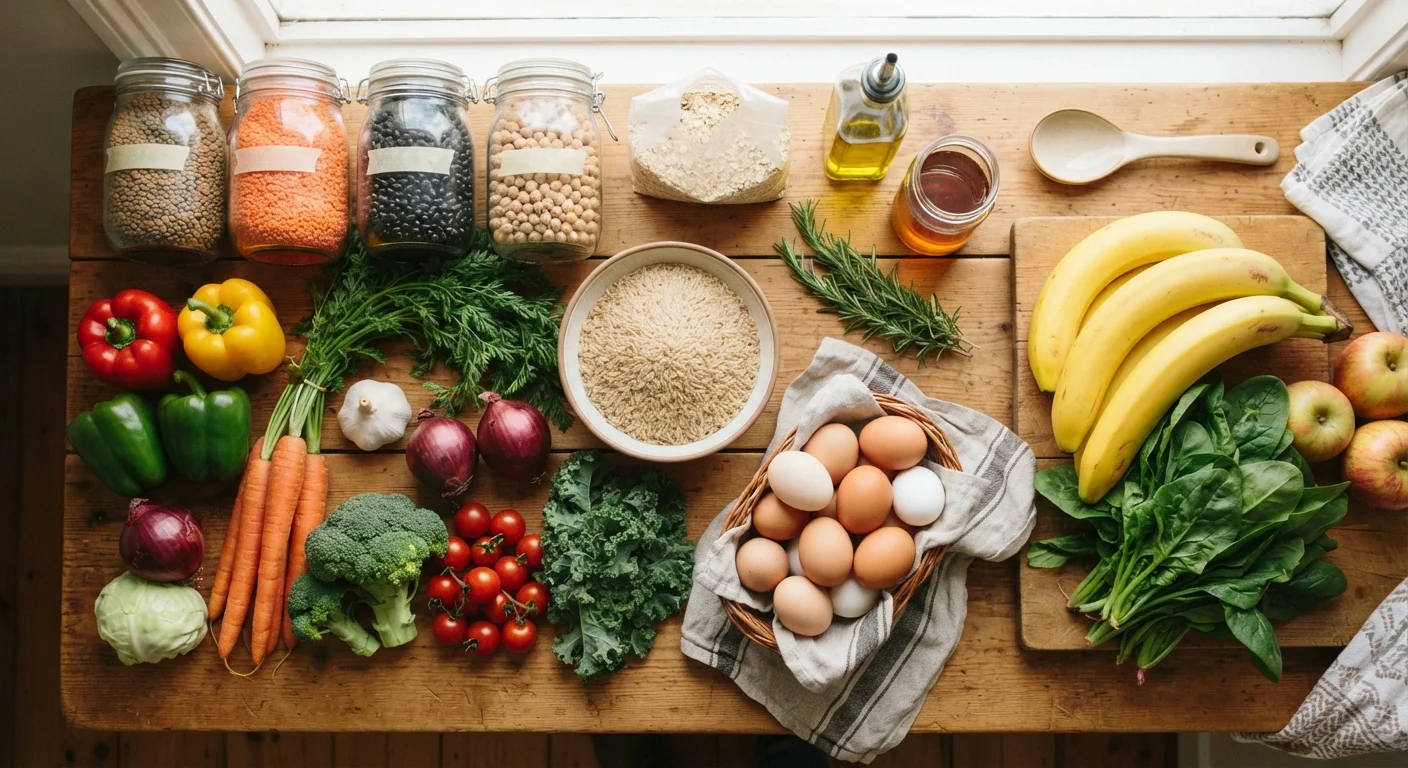
Photo: NemoFinds.com | Search, Explore, Read. editorial
Key Takeaways
- Whole grains, legumes, and seasonal produce offer strong nutrition at low cost per serving.
- Meal planning reduces food waste and helps stretch a grocery budget further each week.
- Frozen and canned vegetables are nutritionally comparable to fresh and often cheaper.
- Protein doesn't require expensive meat — eggs, beans, and canned fish are cost-effective alternatives.
- Small, consistent habits matter more than expensive supplements or superfoods.
The Real Cost of Eating Well
A common belief holds that eating healthily is a luxury — reserved for people with time, money, and access to specialty stores. Research tells a more nuanced story. While heavily processed convenience foods are often cheap per calorie, nutrient-dense whole foods can be extremely affordable on a cost per serving basis when chosen strategically.
Understanding this distinction is the starting point. If you're new to thinking about food quality alongside food cost, this introduction to balanced eating lays out the core concepts clearly before you start reworking your shopping habits.
The strategies below are grounded in mainstream nutrition guidance. They are not a prescription — individual needs vary, and anyone managing a health condition should work with a qualified healthcare professional or registered dietitian before making significant dietary changes.
Proven Practices for Affordable Nutritious Eating
The following practices are practical, evidence-informed, and realistic for most households. They build on each other — start with one or two and add more as they become habit.
Build meals around legumes and whole grains as your protein and carbohydrate base.
Use frozen and canned vegetables freely — they are nutritionally sound alternatives to fresh.
Plan meals for the week before grocery shopping, and write a specific list.
Choose seasonal and store-brand produce and pantry staples whenever possible.
Keep eggs and canned fish as reliable, affordable protein sources.
Cook larger batches and use leftovers intentionally to reduce per-meal costs.
Quick Wins You Can Try This Week
You don't need to overhaul your entire kitchen to eat better on a budget. A few targeted changes this week can make a measurable difference in both nutrition and spending.
Don't Overlook the Dried Goods Aisle
Putting It All Together
Eating well on a budget isn't about finding a single perfect plan — it's about building consistent habits that fit your life. For a deeper look at how to review and improve your weekly grocery choices, a weekly grocery audit can help you spot patterns before they become problems.
If you're also working to align food spending with a broader financial plan, this complete guide to personal budgeting offers a practical framework for tracking where your money goes.
~$1.50
Average cost per serving of dried legumes
USDA food cost data consistently shows dried beans and lentils among the lowest-cost protein and fiber sources available in US grocery stores.
30–40%
Estimated household food waste in the US
According to USDA estimates, American households waste roughly 30–40 percent of the food supply, much of it preventable through planning and better storage habits.
This article provides general nutrition and budgeting information for educational purposes only. It is not a substitute for personalized advice from a registered dietitian, healthcare provider, or financial professional. Individual dietary needs vary — consult a qualified professional before making significant changes to your diet.
The content on this site is for informational purposes only and is not a substitute for professional advice. Always consult a qualified professional for guidance specific to your situation.