
Plant Protein vs. Animal Protein: What the Research Says

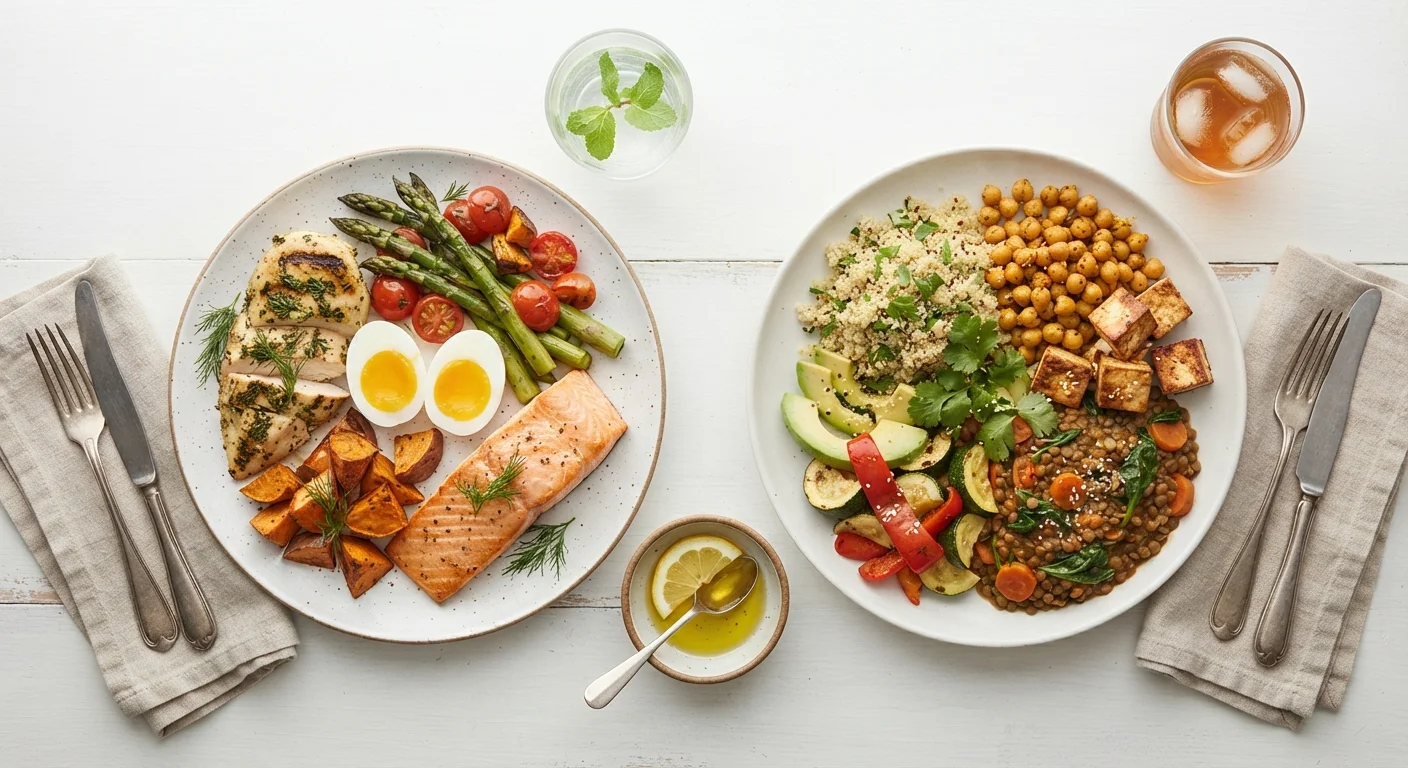
Photo: NemoFinds.com | Search, Explore, Read. editorial
Key Takeaways
- Animal proteins are considered 'complete' — they contain all nine essential amino acids the body cannot make on its own.
- Most plant proteins are 'incomplete' individually, but smart food pairing or variety across the day covers all essential amino acids.
- Plant protein sources also deliver fiber, antioxidants, and other nutrients largely absent from animal foods.
- Digestibility differs: animal protein is generally absorbed more efficiently, though this gap narrows with food preparation.
- Research suggests health outcomes depend more on overall dietary patterns than on any single protein source.
- Most people benefit from consulting a registered dietitian before making significant changes to their protein intake.
What Makes a Protein 'Complete' or 'Incomplete'?
Protein is made up of building blocks called amino acids. Of the roughly 20 amino acids used by the body, nine are considered essential — meaning the body cannot produce them and must obtain them from food. A protein source that contains all nine in adequate amounts is called a complete protein; one that is low or missing in one or more is called incomplete.
Animal proteins — including meat, poultry, fish, eggs, and dairy — are universally complete proteins. Most individual plant proteins fall short on at least one essential amino acid. For example, grains tend to be low in lysine, while legumes are low in methionine. This does not mean plant-based eaters are at risk of deficiency. Research and nutrition science consistently show that eating a varied plant-based diet across the day — not necessarily at every meal — provides all essential amino acids. Classic combinations like rice and beans naturally complement each other's amino acid profiles.
A Note on Protein Quality Scores
Head-to-Head: Key Nutritional Differences
Beyond amino acid profiles, plant and animal proteins differ in several nutritionally meaningful ways. Animal sources tend to be higher in saturated fat (though fish and some poultry are exceptions), while delivering nutrients like vitamin B12, heme iron, and zinc in highly absorbable forms. Plant sources come packaged with dietary fiber, phytochemicals, and unsaturated fats — nutrients absent from most animal foods.
Bioavailability — how well the body absorbs and uses protein — also varies. Animal protein is generally digested and absorbed more efficiently than most plant proteins, in part due to fiber and certain plant compounds that can slow digestion. Cooking, soaking, and fermenting plant foods can meaningfully improve their digestibility.
| Criterion | Animal Protein | Plant Protein |
|---|---|---|
| Amino acid completeness | Complete (all 9 essential AAs) | Often incomplete individually; complete with variety |
| Digestibility / bioavailability | High | Moderate; improves with cooking or soaking |
| Dietary fiber | None | Present in significant amounts |
| Saturated fat content | Varies; often higher (red meat, dairy) | Generally low |
| Vitamin B12 | Naturally present | Absent; requires fortified foods or supplements |
| Iron type | Heme iron (readily absorbed) | Non-heme iron (less readily absorbed) |
| Phytonutrients | Absent | Rich source |
| Typical cost per gram of protein | Moderate to high | Generally low (legumes, tofu) |
What Does the Research Say About Health Outcomes?
Large observational studies, including research from the Harvard T.H. Chan School of Public Health, have associated diets higher in red and processed meats with elevated risks of cardiovascular disease and certain cancers. In contrast, diets rich in plant proteins — especially legumes and nuts — are associated with lower rates of these conditions. However, observational research shows association, not direct cause and effect, and dietary patterns overall matter more than any single food category.
For muscle maintenance and athletic performance, both protein types can be effective. Animal protein, particularly from eggs and dairy, has a higher concentration of leucine, an amino acid that plays a key role in triggering muscle protein synthesis. Emerging research, however, suggests that plant protein sources — when consumed in sufficient total amounts — can support comparable muscle outcomes. A 2023 review in Nutrients found that older adults on mixed or plant-predominant diets could preserve muscle mass when total protein intake was adequate.
~30%
Lower heart disease risk in plant-protein-heavy diets
A large meta-analysis published in the Journal of the American Heart Association found plant-based diets were associated with approximately 32% lower cardiovascular disease risk compared to non-plant-based diets.
1.2–1.6g
Recommended daily protein per kg body weight for active adults
The International Society of Sports Nutrition suggests this range for physically active adults, regardless of whether protein comes from plant or animal sources.
~20%
Difference in protein digestibility between plant and animal sources
The DIAAS (Digestible Indispensable Amino Acid Score) method shows animal proteins score notably higher on average, though processing and preparation can narrow this gap for plant foods.
For a broader look at how protein choices fit within established dietary frameworks, see how popular eating patterns compare.
Practical Trade-Offs and How to Use Both Wisely
Few people eat exclusively one type of protein, and most nutritional authorities — including the Dietary Guidelines for Americans — encourage variety. A practical approach is to think about your protein mix over the course of a day or week, rather than evaluating each meal in isolation.
If you rely heavily on plant proteins, pay attention to vitamin B12, iron, zinc, and — for those avoiding all animal products — omega-3 fatty acids. These nutrients are harder to obtain adequately from plant sources alone, and a registered dietitian can help you assess whether supplementation makes sense for your situation. Choosing minimally processed versions of both plant and animal proteins is generally advisable; for more on that distinction, see what whole and processed food labels actually mean.
Cost is also a real consideration. Dried lentils, chickpeas, and edamame are among the most affordable protein options available — a meaningful advantage for households managing grocery budgets carefully.
This article is for general informational and educational purposes only and is not a substitute for professional medical or nutritional advice. Consult a qualified healthcare provider or registered dietitian before making significant changes to your diet.
The content on this site is for informational purposes only and is not a substitute for professional advice. Always consult a qualified professional for guidance specific to your situation.