Shopping Myths That Keep People Overpaying

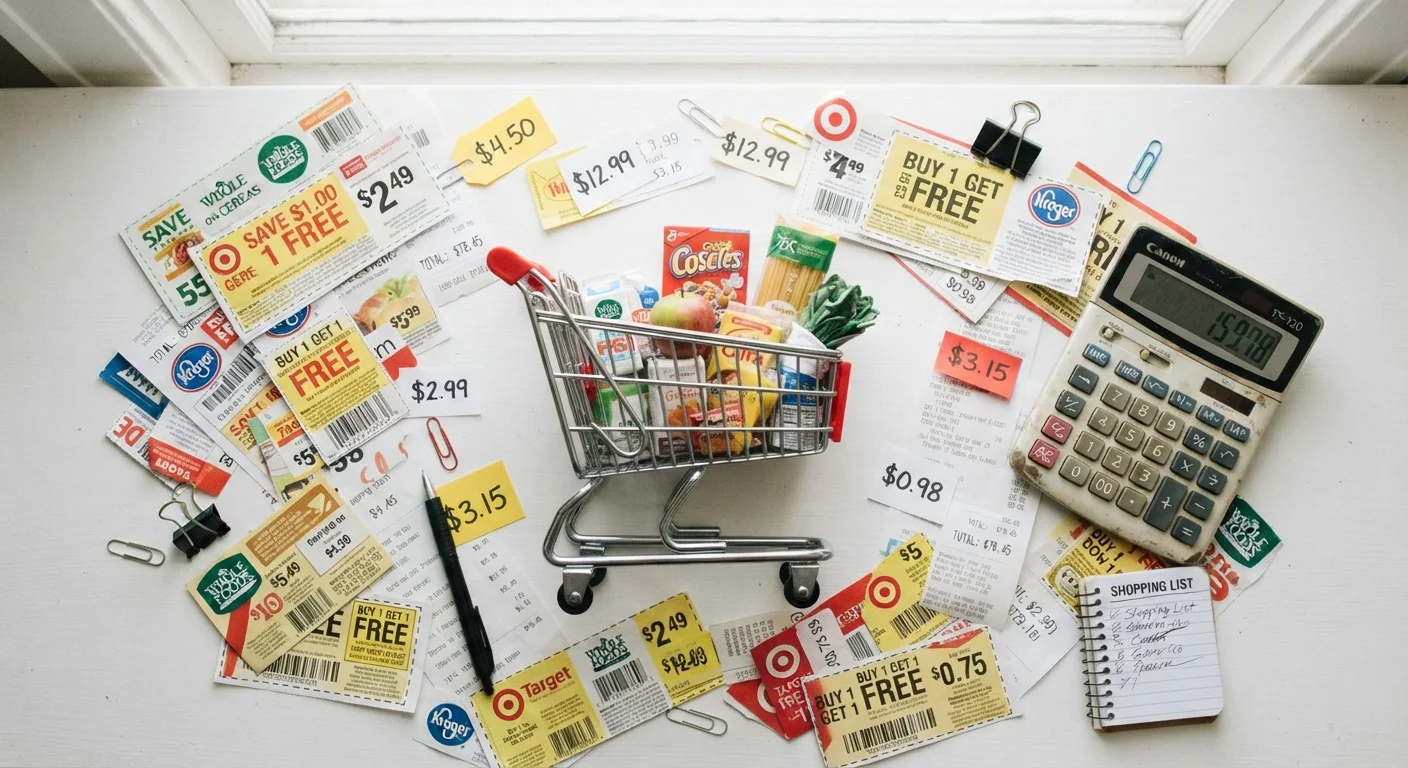
Photo: NemoFinds.com | Search, Explore, Read. editorial
Key Takeaways
- Buying more to save more often leads to overspending on items you don't actually need.
- Sale prices are not always discounts — retailers frequently inflate original prices before marking them down.
- Store-brand products are often manufactured by the same suppliers as name-brand versions.
- Bulk buying only saves money when you'll realistically use the product before it expires or goes to waste.
- Higher price does not reliably signal higher quality across most everyday product categories.
Why These Myths Stick
Shopping myths persist because they contain a grain of truth — or at least a plausible-sounding logic. 'Buy more, save more' makes mathematical sense when you actually use everything you buy. Sale prices really can reflect genuine markdowns. The problem is that retail environments are deliberately designed to make the grain of truth feel like the whole story, nudging you toward decisions that favor the seller.
Stores invest heavily in layout, pricing psychology, and promotional framing to shape behavior. How grocery stores use layout against shoppers is one concrete example of how deliberate this design is. Understanding the myths is only useful if you also understand the mechanisms behind them.
Myth
If something is on sale, I'm saving money by buying it.
Fact
You only save money if you needed the item and the sale price is genuinely lower than what you'd normally pay.
Retailers routinely set a high 'original' price specifically so the marked-down price appears like a bargain. This practice — sometimes called price anchoring — is well-documented in consumer behavior research. A 40% discount off an inflated baseline may still be more expensive than the item's typical street price. Before concluding a sale represents real savings, it helps to check price history using browser extensions or comparison tools, and to ask honestly whether the item was already on your shopping list.
Myth
Buying in bulk always saves money.
Fact
Bulk buying only saves money when you use the entire quantity before it spoils, expires, or becomes obsolete — and when storage costs are accounted for.
The unit price on a bulk package is often lower, but that math only holds if none of the product goes to waste. Perishable foods, cleaning products with expiration dates, and trend-driven items can easily turn a 'deal' into a net loss. Household size matters enormously here. For a deeper breakdown of when warehouse pricing genuinely pays off, see when bulk buying actually makes sense.
Myth
Name-brand products are meaningfully better than store brands.
Fact
Store-brand and name-brand products are frequently made by the same manufacturers, often to nearly identical specifications.
Major retailers contract with the same factories that produce national brands, then package the product under their own label. Consumer advocacy research has repeatedly found little to no measurable difference in categories like over-the-counter medications (where active ingredient and dosage are regulated), basic pantry staples, and household cleaning supplies. The premium you pay for a national brand largely covers marketing costs, not product quality. That said, for some categories — particularly those involving personal preference, like food flavors — your own experience is the most relevant test.
Myth
A higher price means higher quality.
Fact
Price and quality correlate inconsistently across product categories, and premium pricing often reflects brand positioning rather than superior performance.
This myth persists partly because price does signal quality in some contexts — particularly for complex, durable goods where materials and engineering vary significantly. But for everyday products, the correlation weakens considerably. Independent product testing organizations have found that mid-range options frequently match or outperform premium-priced alternatives in controlled comparisons. Paying more activates a psychological bias called the 'price-quality heuristic,' which can make an expensive product feel better even when objective performance is equivalent.
Myth
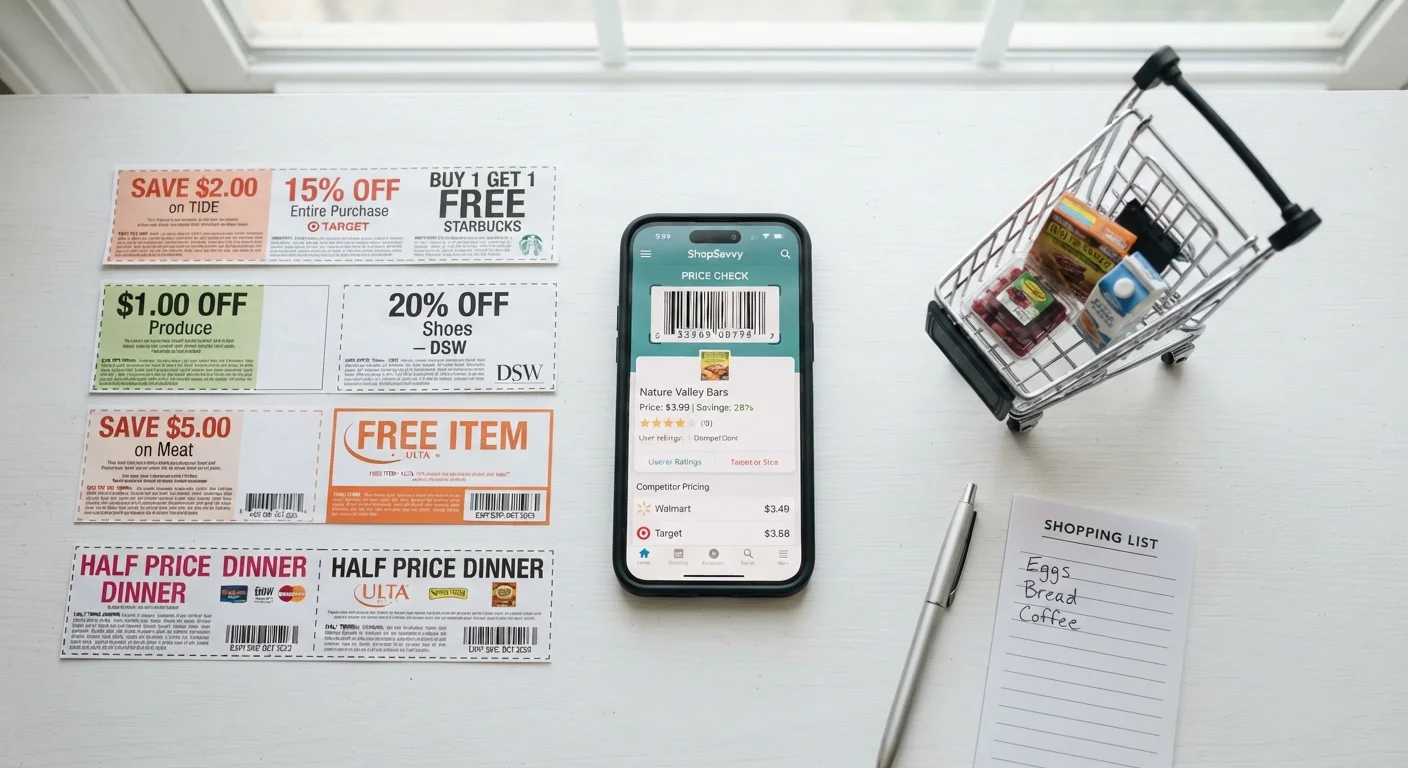
You should always use a coupon if you have one.
Fact
Coupons only help if you'd have bought the item anyway — using one on something you don't need still costs money.
Coupons are a marketing tool designed to drive trial and increase purchase volume, not to reward existing buying decisions. Using a coupon to buy something you wouldn't have otherwise purchased results in net spending, not savings. The same logic applies to rebate offers and limited-time promotions. Understanding how discount mechanics work — including stacking rules and price-matching limits — can help you use these tools more strategically. See how coupon stacking and price matching actually work for a practical breakdown.
Myth
Shopping impulse buys during a sale is still a smart financial move.
Fact
Impulse purchases feel justified in a sale environment but often don't hold up once the immediate excitement passes.
Retail environments — both physical and online — are engineered to compress decision-making time and make unplanned purchases feel rational. Research on consumer decision-making consistently shows that introducing a brief delay before completing a purchase significantly reduces the rate of regretted buys. Why a 48-hour pause before buying often changes the decision explores this effect in detail. Stores know this, which is why countdown timers and 'only 2 left' notices are so prevalent.
Building Habits That Actually Work
Correcting a shopping myth doesn't mean you stop looking for value — it means you define value more precisely. Real savings come from consistent habits: comparing unit prices, checking price history before accepting a 'sale,' resisting promotions on items not already on your list, and being honest about whether bulk quantities actually fit your household's reality.
Loyalty Programs Have Real Trade-Offs
These habits aren't about finding one-off deals. They compound over time into meaningfully lower spending without requiring you to track every transaction obsessively. For a structured look at how consistent low-effort habits outperform deal-chasing, see shopping habits that hold up on a fixed budget. If you're also working to build broader financial stability, budgeting basics and saving and debt guidance offer grounded starting points.
Retail Pricing Is Designed to Persuade
~50%
Shoppers who regret impulse purchases
Multiple consumer surveys have found roughly half of respondents report regularly regretting unplanned purchases made in promotional environments.
30–40%
Grocery store items bought on impulse
Industry research consistently estimates that a significant share of in-store grocery purchases are unplanned, a figure retailers actively work to increase through store layout and promotions.
The content on this site is for informational purposes only and is not a substitute for professional advice. Always consult a qualified professional for guidance specific to your situation.