
Dwelling Coverage vs. Personal Property Coverage

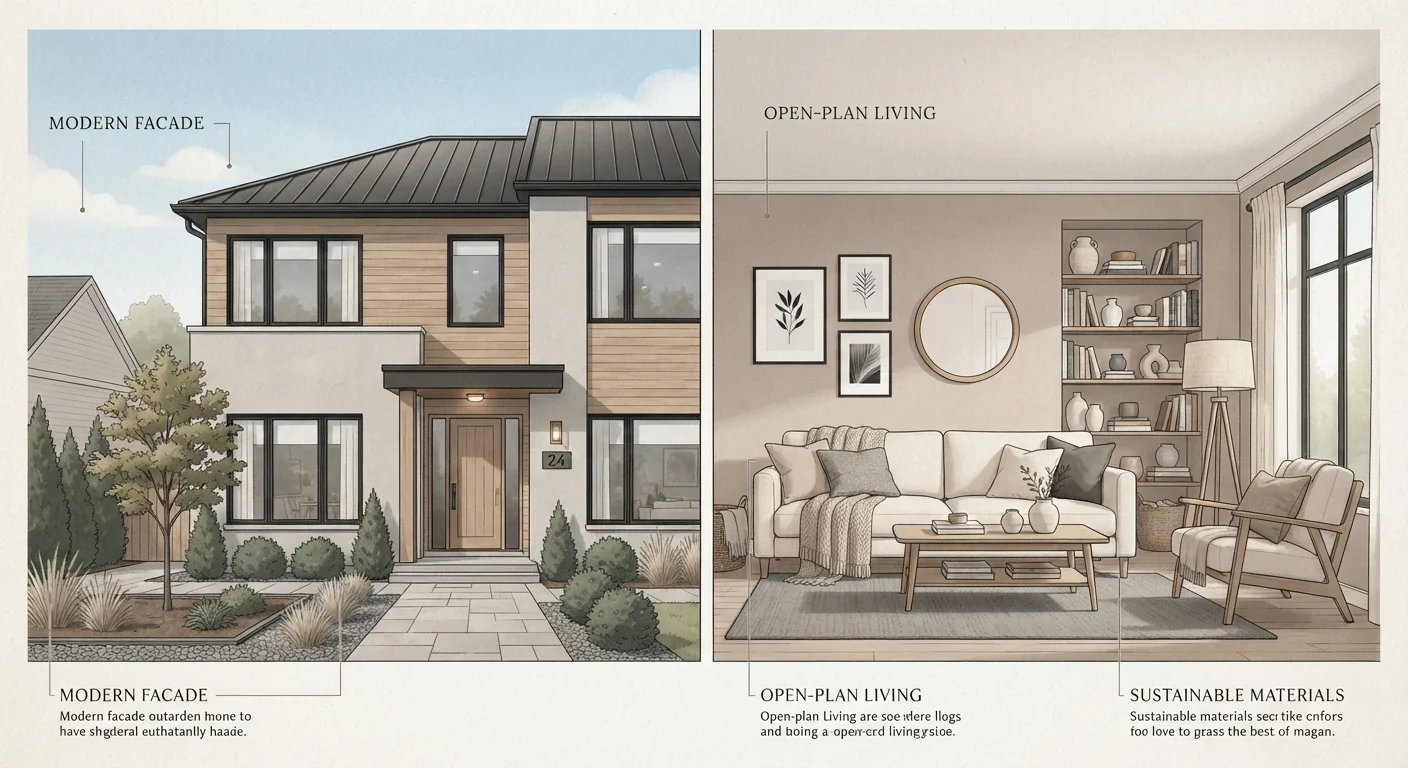
Photo: NemoFinds.com | Search, Explore, Read. editorial
Key Takeaways
- Dwelling coverage pays to repair or rebuild your home's physical structure after a covered loss.
- Personal property coverage applies to your belongings — furniture, clothing, electronics, and more.
- Both coverages typically live in a standard homeowners policy but have separate limits and deductibles.
- High-value items like jewelry or art may need additional coverage beyond standard personal property limits.
- Renters can access personal property coverage through a renters policy, even without dwelling coverage.
What Each Coverage Actually Protects
Dwelling coverage (sometimes called Coverage A on a homeowners policy) pays to repair or rebuild the physical structure of your home when it's damaged by a covered peril — events like fire, windstorm, hail, or a burst pipe. This includes the walls, roof, floors, foundation, and systems built into the home, such as electrical wiring, plumbing, and HVAC. Attached structures like a garage or deck are typically included as well.
Personal property coverage (Coverage C) covers the contents inside your home — furniture, clothing, electronics, kitchen appliances, and similar belongings. What makes this coverage notable is its reach: most standard policies also extend it to belongings that are stolen or damaged outside your home, such as a laptop stolen from your car or luggage lost on a trip.
The clearest way to draw the line: if it would fall out when you flip the house upside down, it's personal property. If it stays attached to the house, it's dwelling.
| Criterion | Dwelling Coverage | Personal Property Coverage |
|---|---|---|
| What it protects | Home's physical structure and built-in systems | Belongings and contents owned by the policyholder |
| Policy designation | Coverage A | Coverage C |
| Typical limit basis | Estimated rebuild/replacement cost of the structure | Percentage of dwelling limit (often 50–75%) |
| Applies outside the home? | No — structure only | Often yes — theft or damage away from home |
| Valuation method | Replacement cost standard for most policies | ACV or RCV depending on policy terms |
| Available to renters? | No — landlord carries this | Yes — through a renters policy |
| Special item sublimits | Not typical | Common for jewelry, art, firearms, electronics |
How Coverage Limits and Valuation Work
Dwelling coverage limits are typically set to reflect the estimated replacement cost of rebuilding your home — not its market value or what you paid for it. Construction costs and market prices move independently, which is why it's worth reviewing your dwelling limit periodically, especially after renovations. The annual policy review guide explains what to examine each year.
Personal property coverage limits are usually set as a percentage of your dwelling coverage — often 50–75%, though this varies by insurer and policy. Critically, there are sublimits for specific item categories. Jewelry, firearms, silverware, and fine art commonly have their own caps (for example, $1,500 for jewelry theft is a common sublimit). If your belongings in these categories exceed the sublimit, you may need a scheduled endorsement — a rider that adds specific coverage for a named item.
Valuation is another key variable. Policies may settle personal property claims on either an actual cash value (ACV) basis — meaning depreciation is deducted — or a replacement cost value (RCV) basis, which pays what it costs to buy a comparable new item today. RCV coverage typically carries a higher premium but reduces your out-of-pocket exposure significantly. Understanding how home insurance deductibles work alongside these valuation methods is equally important.
Scheduled Endorsements for High-Value Items
Gaps, Exclusions, and What to Watch For
Neither coverage is unlimited or all-inclusive. Both dwell and personal property coverages are subject to the perils listed in your policy. Standard homeowners policies typically exclude flooding, earthquakes, and certain types of mold — regardless of whether the damage affects the structure or your belongings. For a fuller picture of what homeowners policies leave out, see what homeowners insurance doesn't cover.
For personal property specifically, watch for:
- Business property exclusions: Equipment used for a home-based business may not be covered under a standard personal property provision.
- Roommate and family member distinctions: Some policies only cover residents who are family members, not unrelated roommates.
- Category sublimits: As noted above, high-value items may be significantly underinsured under standard limits.
Renters have access to personal property coverage through a renters policy — they simply don't need dwelling coverage since the landlord's policy covers the building's structure. The life and other insurance hub covers renters insurance alongside other common policy types.
This article is for general informational purposes only and is not personalized insurance, financial, or legal advice. Coverage terms, limits, exclusions, and availability vary by insurer and state. Always read your actual policy documents and consult a licensed insurance agent or adviser for guidance specific to your situation.
The content on this site is for informational purposes only and is not a substitute for professional advice. Always consult a qualified professional for guidance specific to your situation.