
Home Insurance Myths That Leave Policyholders Underprotected

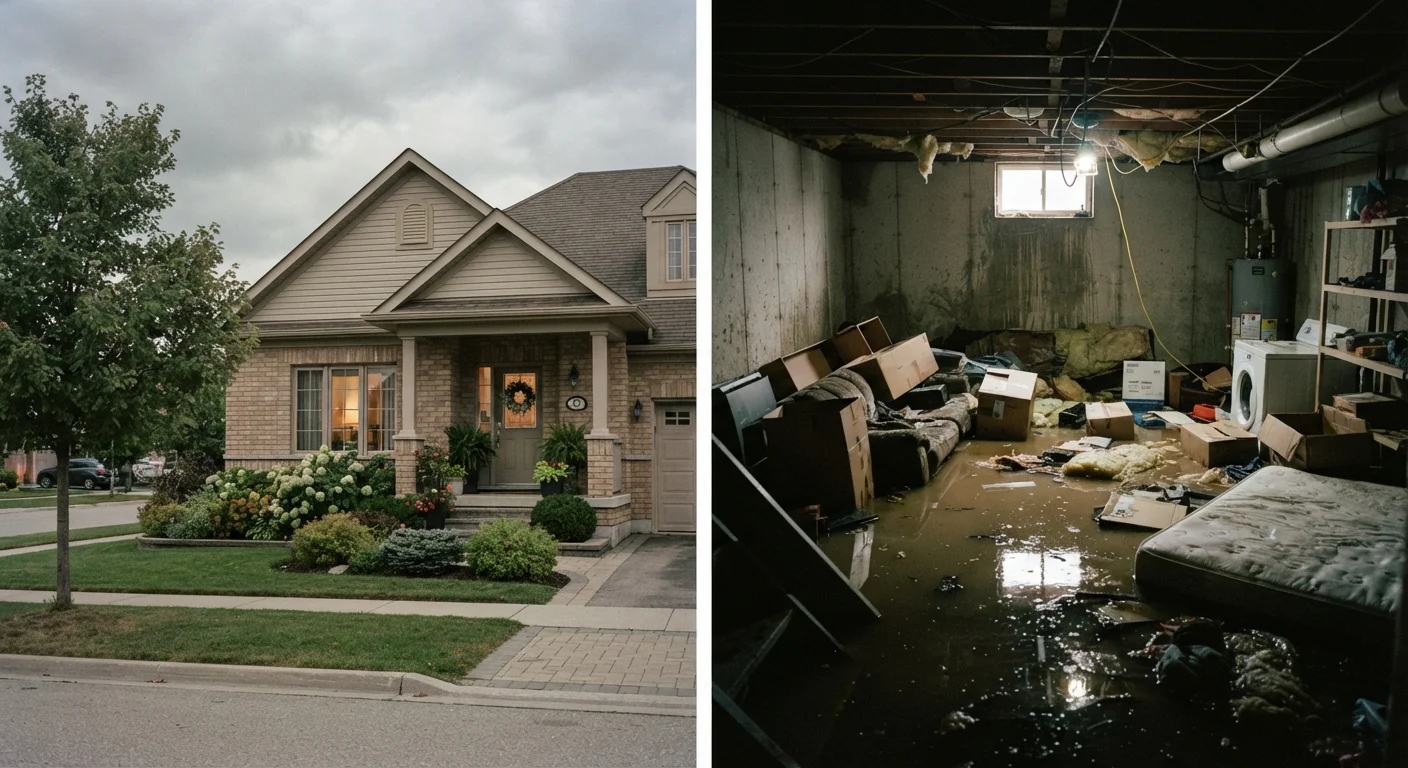
Photo: NemoFinds.com | Search, Explore, Read. editorial
Key Takeaways
- Standard homeowners policies exclude floods and earthquakes — separate coverage is required.
- Actual cash value payouts account for depreciation, which can leave a large gap after a loss.
- Renters need their own insurance; a landlord's policy does not protect a tenant's belongings.
- Home-based business equipment and liability are typically excluded from personal homeowners policies.
- Many policyholders carry insufficient coverage because they confuse market value with rebuild cost.
Why These Myths Are So Persistent
Homeowners insurance is something most people buy once and rarely revisit until they need to file a claim. That gap between purchase and claim is where misconceptions take root. Policy language is dense, the exclusions section is easy to skip, and agents don't always walk buyers through every limitation. The result is that a significant number of policyholders believe they are protected against losses that their policies explicitly exclude.
This article corrects the most common and consequential misconceptions — not to alarm, but to give you a clearer picture of what your policy actually does. For a foundational overview before diving into the myths, homeowners insurance explained from the ground up is a useful starting point.
Your Policy Has Gaps You May Not Know About
Common Myths, Corrected
Each of the following misconceptions is widely held — and each has real financial consequences for policyholders who discover the truth only after a loss.
Myth
All water damage is covered under a standard homeowners policy.
Fact
Flood damage caused by external water — heavy rain, storm surge, overflowing rivers — is not covered by standard homeowners insurance. A separate flood insurance policy, often through the National Flood Insurance Program (NFIP), is required.
This is one of the costliest misconceptions in home insurance. Standard policies do typically cover sudden and accidental internal water damage — like a pipe that bursts — but they draw a firm line at water that enters from outside. The distinction between a covered pipe leak and an excluded flood can mean tens of thousands of dollars out of pocket. If your home is in or near a flood-prone area, check whether your mortgage lender requires flood coverage and consider it regardless. For a fuller picture of what standard policies leave out, see what homeowners insurance doesn't cover.
Myth
If my home is insured, I'll get paid what it's worth on the market.
Fact
Homeowners policies typically pay based on your home's rebuild cost or its actual cash value — neither of which is the same as its real estate market value.
Market value reflects land, location, and buyer demand. Rebuild cost reflects the actual labor and materials needed to reconstruct your home. These numbers can differ significantly. If your policy uses actual cash value (ACV) rather than replacement cost value (RCV), depreciation is subtracted from any claim payout — meaning older roofs, appliances, or flooring may be reimbursed for far less than what they cost to replace. Check whether your policy pays ACV or RCV, and consider whether your current coverage limits reflect today's construction costs.
Myth
Renters don't need insurance because the landlord's policy covers them.
Fact
A landlord's policy covers the building structure and the landlord's liability — not a tenant's personal belongings or personal liability.
If a fire destroys your apartment, your landlord's insurer will pay to repair the building. Your laptop, furniture, clothing, and other possessions? Those are your responsibility. Renters insurance is a separate, typically affordable policy that covers personal property and can also provide liability protection if someone is injured in your unit. Renters insurance covers more than most tenants realize, including theft away from home and temporary housing costs if the unit becomes uninhabitable.
Myth
My home-based business is covered under my homeowners policy.
Fact
Standard homeowners policies offer very limited — or no — coverage for business equipment or liability arising from business activities conducted at home.
Running a business from home introduces risks that personal policies are not designed to cover. Business inventory, client injuries on your property related to a business visit, and professional liability are typically excluded. If you work from home regularly, even as a freelancer, talk to a licensed agent about whether a home business endorsement, an in-home business policy, or a separate commercial policy is appropriate for your situation. The coverage structures differ significantly, and the right fit depends on the nature and scale of your work.
Myth
Named-perils and open-perils policies cover losses the same way.
Fact
An open-perils policy covers all causes of loss except those specifically excluded, while a named-perils policy only covers causes explicitly listed — a major structural difference.
Many policyholders assume their coverage is comprehensive without realizing their policy type determines the entire approach to claims. Under a named-perils policy, if the cause of your loss isn't on the list, it isn't covered — full stop. Under an open-perils (also called all-risk) policy, coverage applies unless the cause is specifically excluded. Understanding which type you have is foundational to knowing your true protection. How open-perils and named-perils policies differ is worth understanding before assuming your home is fully protected.
~15%
U.S. homeowners with flood insurance
According to FEMA estimates, only a small fraction of U.S. homeowners carry flood insurance, despite flood being the most common and costly natural disaster in the country.
1 in 20
Homeowners filing a claim each year
The Insurance Information Institute estimates roughly one in twenty insured homeowners files a claim annually, with wind, hail, and water damage among the leading causes.
What to Do With This Information
Knowing that gaps exist is the first step; the second is doing something about it. Pull out your current policy — or request a copy from your insurer — and locate the declarations page, the coverage sections, and the exclusions section. The declarations page shows your coverage amounts and limits. The exclusions section shows exactly what your insurer will not pay for.
Don't Wait Until a Claim to Read Your Policy
If you've had a claim denied and want to understand why, why home insurance claims get denied and what comes next explains the most common reasons and your options afterward. And if you're a renter who has been assuming your landlord's policy protects you, eight things renters insurance covers that tenants don't expect is worth a look.
This article is for general informational and educational purposes only and does not constitute personalized insurance, financial, or legal advice. Coverage terms, exclusions, and eligibility vary by insurer, policy type, and state. Always read your actual policy documents and consult a licensed insurance agent or adviser for guidance specific to your situation.
The content on this site is for informational purposes only and is not a substitute for professional advice. Always consult a qualified professional for guidance specific to your situation.