
Homeowners Insurance, Explained from the Ground Up

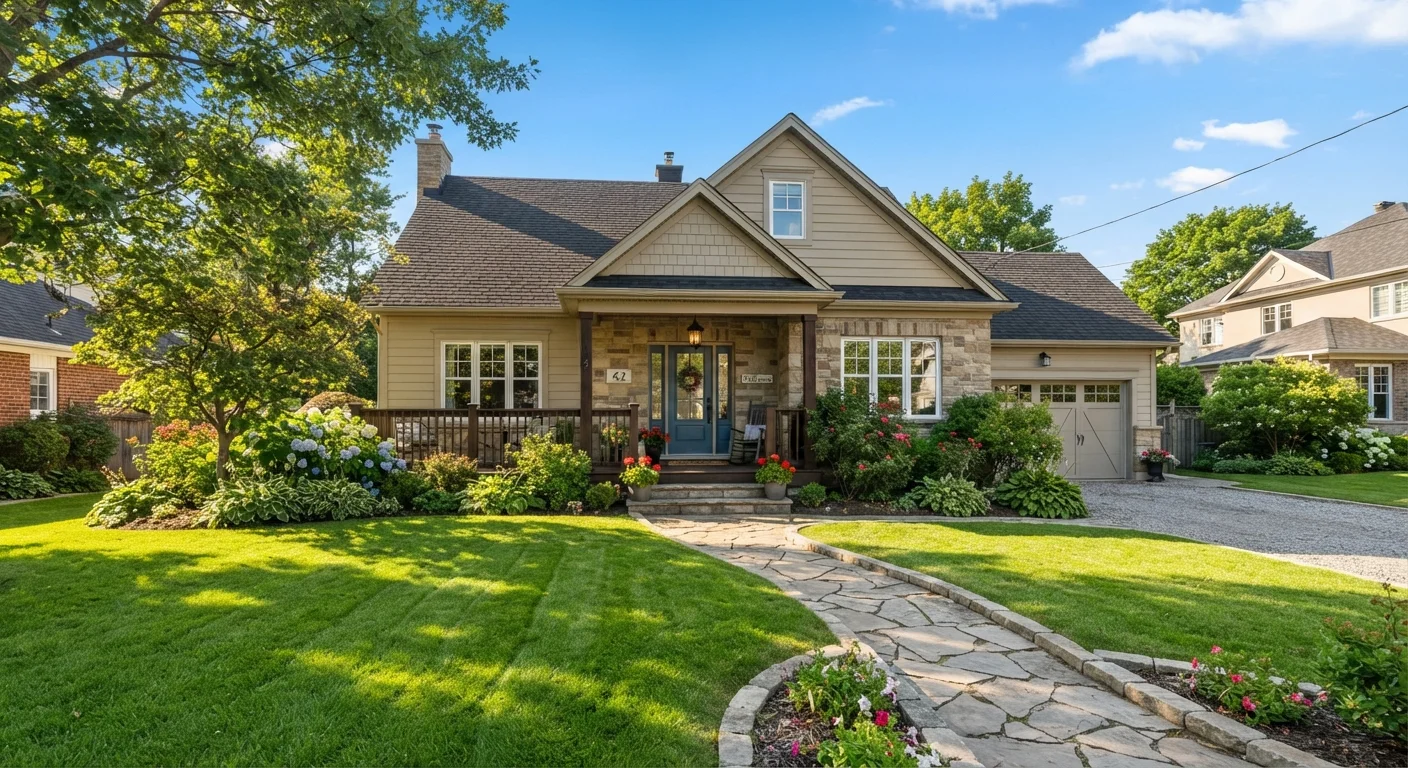
Photo: NemoFinds.com | Search, Explore, Read. editorial
Key Takeaways
- A standard homeowners policy bundles six coverage types into one contract.
- Your dwelling and your personal belongings are insured under separate coverage categories.
- Deductibles, coverage limits, and exclusions vary by policy — always read the declarations page.
- Floods and earthquakes are almost never included in a standard policy and require separate coverage.
- Liability protection is built into most homeowners policies and can cover injuries on your property.
What Homeowners Insurance Actually Is
Homeowners insurance is a contract between you and an insurance company. You pay a regular premium; in return, the insurer agrees to help cover the financial cost of certain losses — damage to your home, theft of your belongings, or a lawsuit if someone gets hurt on your property.
It is not a maintenance plan. Wear and tear, slow leaks, or gradual deterioration are your responsibility. Insurance is designed to cover sudden, accidental events: a tree falls on your roof, a fire breaks out in the kitchen, a guest slips on an icy walkway and sues you.
Most mortgage lenders require homeowners insurance as a condition of the loan. Even if you own your home outright, going without coverage means you bear every repair and liability cost alone — a significant financial risk for most households.
This article is for general educational purposes and does not constitute insurance, financial, or legal advice. Coverage terms, exclusions, and availability vary by policy and state. Consult a licensed insurance professional for guidance specific to your situation.
The Six Coverage Categories in a Standard Policy
Most standard homeowners policies in the U.S. — often sold as an HO-3 policy — organize protection into six named coverage sections. Understanding each one is the foundation of understanding your policy.
- Coverage A — Dwelling: Pays to repair or rebuild the physical structure of your home if it's damaged by a covered event. This includes walls, roof, floors, and built-in systems like plumbing and electrical.
- Coverage B — Other Structures: Covers detached structures on your property — a fence, detached garage, or storage shed. Limits are typically set as a percentage of your dwelling coverage.
- Coverage C — Personal Property: Covers your belongings — furniture, electronics, clothing — if they're stolen or damaged by a covered peril, even when they're away from home.
- Coverage D — Loss of Use: If a covered event makes your home uninhabitable, this pays for temporary housing and extra living expenses while repairs are made.
- Coverage E — Personal Liability: Covers legal costs and judgments if someone is injured on your property or you accidentally damage someone else's property. See how liability works in home and auto policies for a deeper look.
- Coverage F — Medical Payments to Others: Pays limited medical bills for guests injured on your property, regardless of fault, without involving a lawsuit.
Dwelling coverage and personal property coverage, while both in the same policy, work quite differently. The article Dwelling Coverage vs. Personal Property Coverage explains exactly where one ends and the other begins.
Check Your Personal Property Limit Carefully
Key Terms You Need to Know
Premium
The regular payment — monthly or yearly — you make to keep your insurance policy active. Stop paying and the policy lapses.
Deductible
The amount you pay out of your own pocket on a claim before the insurer pays the rest. Higher deductibles usually mean lower premiums.
Coverage limit
The maximum dollar amount your insurer will pay for a covered loss. Any cost above that limit is yours to pay.
Peril
A specific cause of loss, such as fire, theft, or windstorm. Policies either list the perils they cover (named-perils) or cover everything except what they exclude (open-perils).
Exclusion
A situation or cause of loss specifically not covered by the policy. Floods and earthquakes are common exclusions from standard homeowners policies.
Endorsement
An add-on or modification to a base policy that expands, restricts, or changes your coverage. Sewer backup coverage is often added this way.
Replacement cost
A valuation method that pays what it actually costs to repair or replace damaged property at today's prices, without deducting for depreciation.
Actual cash value (ACV)
A valuation method that pays the depreciated value of property at the time of loss — what it was worth then, not what it costs to replace now.
Beyond the six coverage categories, a few terms appear in nearly every policy document and are worth understanding before you review any quotes or sign anything.
Premium: The amount you pay — usually monthly or annually — to keep the policy active. Premiums are influenced by your home's location, age, construction type, claims history, and the coverage limits you choose.
Deductible: What you pay out of pocket before insurance pays the rest on a claim. A $1,500 deductible means a covered $10,000 loss costs you $1,500; the insurer covers $8,500. Some policies have separate, higher deductibles for specific perils like wind or hail.
Coverage limit: The maximum dollar amount an insurer will pay for a covered loss. If rebuilding your home costs more than your dwelling limit, you cover the difference.
Declarations page (dec page): The summary page at the front of your policy that lists your coverage amounts, deductibles, premium, and policy period. This is the first document to review when comparing policies.
What Homeowners Insurance Does Not Cover
Knowing what's excluded is just as important as knowing what's covered. Standard homeowners policies contain a list of perils or causes of loss that are explicitly not covered.
The most significant gaps most people encounter:
- Floods: Water damage from rising water — storms, overflowing rivers, storm surge — is excluded from standard policies. Separate flood insurance is available through the National Flood Insurance Program (NFIP) and some private insurers.
- Earthquakes: Ground movement is excluded. Earthquake coverage is sold as a separate policy or endorsement.
- Sewer backup: Water backing up through drains or sewers is usually excluded unless you add a specific endorsement.
- Mold, rot, and pest damage: Gradual damage — whether from mold, wood rot, or termites — is generally considered a maintenance issue and not covered.
- Home-based business property: Equipment used for a business run from home often has limited or no coverage under a personal policy.
These exclusions catch many homeowners off guard. The article What Homeowners Insurance Doesn't Cover — and Why It Matters goes deeper on the most common gaps and why they exist.
Don't Assume You're Covered for Water Damage
How to Read Your Policy Before You Sign
Insurance policies are legal contracts, and the details matter. A few focused steps help you understand what you're actually buying.
- Start with the declarations page. It lists your coverage amounts, deductibles, and premium. Confirm each number reflects what you discussed with your agent.
- Read the definitions section. Policies define terms like "occurrence," "dwelling," and "covered peril" in specific ways. How a term is defined shapes what gets paid.
- Review the exclusions section carefully. This is where policies differ most. Look for named exclusions that could affect your specific property or location.
- Check coverage limits against actual costs. If your home would cost $400,000 to rebuild, a $250,000 dwelling limit leaves you significantly exposed.
- Ask about replacement cost vs. actual cash value. Replacement cost coverage costs more in premium, but pays the full cost to replace what you lost. Actual cash value deducts depreciation, which can mean a much smaller check.
If you're comparing this type of coverage to what renters need, renters insurance works quite differently and is worth understanding on its own terms. And if you're curious how homeowners coverage compares to other insurance types you may already carry, see our overview of auto insurance coverage types.
When in doubt about whether a policy meets your needs, a licensed insurance agent or broker can walk you through your options. This article provides general educational information only — your individual situation may call for coverage beyond what a standard policy provides.
Frequently Asked Questions
The content on this site is for informational purposes only and is not a substitute for professional advice. Always consult a qualified professional for guidance specific to your situation.