
Retinol Myths That Dermatologists Keep Correcting

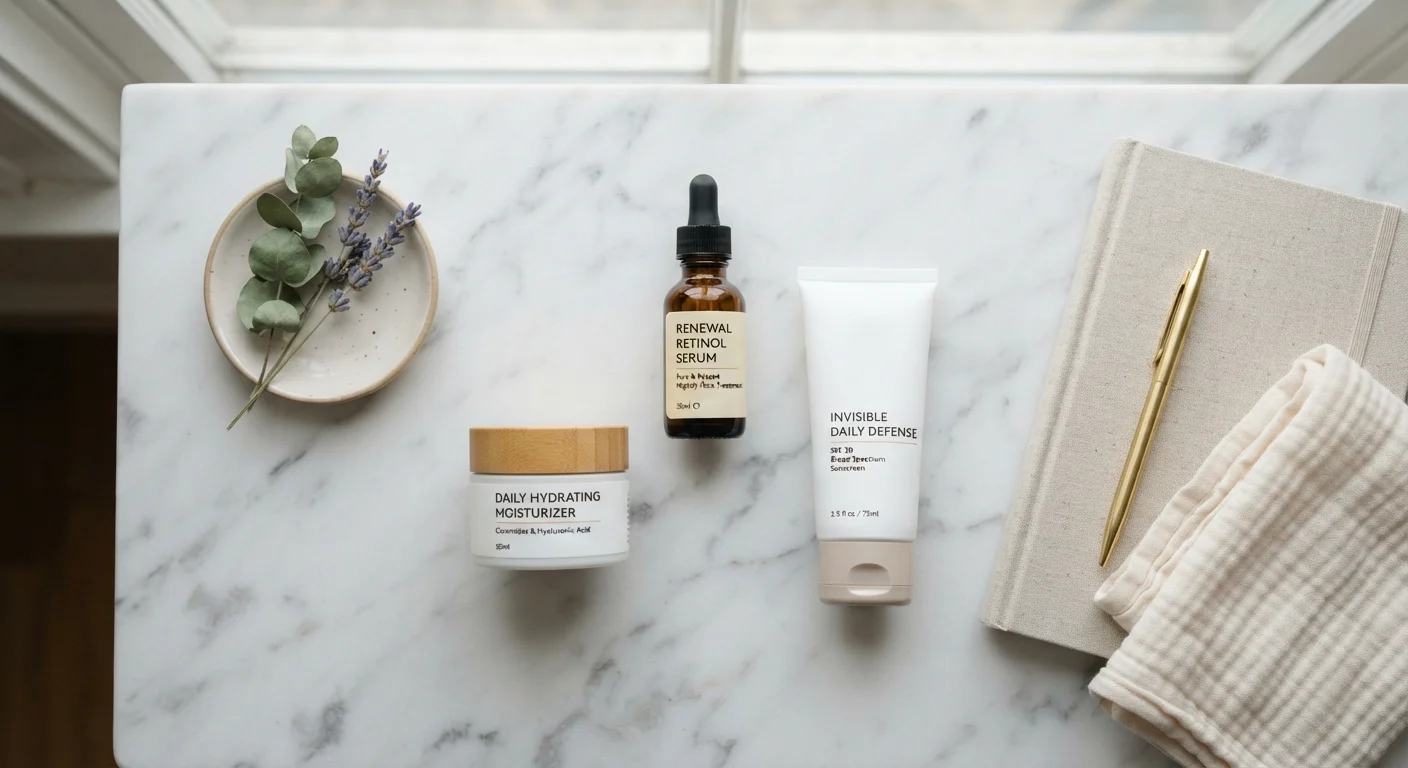
Photo: NemoFinds.com | Search, Explore, Read. editorial
Key Takeaways
- Retinol does not permanently thin skin — it actually thickens the dermis over time with consistent use.
- You can use retinol in summer, but daily SPF application becomes even more essential.
- Starting with a low concentration and buffering with moisturizer helps minimize irritation for beginners.
- Retinol is not only for aging concerns — it also supports acne management and evening skin tone.
- Prescription-strength retinoids and over-the-counter retinol differ meaningfully in potency and side effects.
Why Retinol Myths Stick Around
Retinol — the over-the-counter form of vitamin A used in skincare — has decades of peer-reviewed research behind it. Dermatologists widely regard it as one of the most effective topical ingredients available without a prescription. And yet, a surprising number of people avoid it entirely or use it incorrectly because of persistent myths that keep circulating online and in beauty aisles.
If you've heard that retinol will ruin your skin, that it's only for older people, or that summer is the wrong season for it, you're not alone. These misconceptions have real consequences: they keep people from a tool that could genuinely benefit their skin, or they lead to misuse that causes unnecessary irritation. Let's set the record straight, myth by myth.
Retinol isn't the only beauty topic surrounded by stubborn fiction. Check out grooming myths that refuse to die for more evidence-based corrections on everyday routines.
Myth
Retinol thins your skin and makes it more fragile over time.
Fact
Retinol actually thickens the deeper layer of skin (the dermis) by stimulating collagen production, making skin more resilient — not less.
This myth likely stems from the word exfoliation. Retinol does accelerate the shedding of dead surface cells (the outermost layer of the epidermis), which can make skin appear temporarily thinner or more sensitive during the first few weeks of use. But the deeper structural layer — the dermis — responds by ramping up collagen synthesis. Over months of consistent use, the dermis becomes measurably thicker. The temporary flaking or sensitivity some people experience early on is an adjustment phase, not permanent damage.
Myth
You should never use retinol in the summer or on sunny days.
Fact
You can absolutely use retinol year-round; the key precaution is applying broad-spectrum SPF 30 or higher every morning, regardless of season.
Retinol is photosensitive, meaning it degrades when exposed to UV light — which is one reason most formulas are packaged in opaque containers and recommended for nighttime use. It also makes fresh skin cells more vulnerable to UV damage. Neither of these facts means summer is off-limits. They simply reinforce what dermatologists recommend for everyone using any active ingredient: consistent, adequate sunscreen. Apply retinol at night, let it work while you sleep, and protect that new skin every morning.
Myth
Retinol is only for people with wrinkles or aging concerns.
Fact
Retinol is clinically studied for multiple concerns including acne, hyperpigmentation, and uneven texture — benefits that apply across a wide range of ages.
The anti-aging association is strong because retinol's role in stimulating collagen and speeding cell turnover is well-documented for reducing the appearance of fine lines. But those same mechanisms also help unclog pores, fade post-acne dark spots (post-inflammatory hyperpigmentation), and smooth rough texture. Dermatologists frequently recommend low-concentration retinol to people in their mid-twenties dealing with acne or uneven tone, well before any aging concerns are on the table.
Myth
More retinol, more results — using a high concentration is always better.
Fact
Higher concentrations cause significantly more irritation with diminishing returns; starting low and building gradually produces better long-term results.
It's tempting to assume that a 1% retinol product will outperform a 0.05% one dramatically. In practice, jumping to high concentrations — especially without acclimatization — often leads to a reaction called retinoid dermatitis: redness, peeling, stinging, and a compromised skin barrier. When the skin barrier is disrupted, you can't use the product consistently, which defeats the purpose entirely. Gradual titration (starting low and slowly increasing over months) is the approach dermatologists recommend for steady, visible improvement with minimal disruption.
Myth
Retinol and moisturizer can't be used together — they cancel each other out.
Fact
Layering moisturizer with retinol is not only safe, it's a widely recommended technique for reducing irritation, especially for beginners.
This myth may come from the general idea that some skincare ingredients interact negatively. Retinol and a standard moisturizer do not neutralize each other. In fact, the sandwich method — applying a thin layer of moisturizer before retinol, or immediately after — is a legitimate irritation-reduction strategy endorsed by dermatologists. The moisturizer dilutes the contact intensity slightly, giving sensitive skin a chance to adjust. Over time, as your skin adapts, you may no longer need the buffer.
Using Retinol Safely: What Actually Matters
The myths above share a common thread: they make retinol sound far more dangerous or limited than it actually is. In reality, most people can use it safely with a few straightforward practices.
40+ years
Retinol studied in clinical skincare research
Topical vitamin A derivatives have been researched in peer-reviewed dermatology literature since the late 1970s, making them among the most evidence-backed OTC ingredients available.
~4–6 weeks
Typical skin adjustment period for new retinol users
Dermatologists generally advise patients to allow at least one to two months of consistent low-frequency use before judging tolerance or increasing concentration.
Start low and go slow. Dermatologists typically recommend beginning with a concentration of 0.025% to 0.1% and applying it two to three nights per week. Give your skin four to six weeks to adapt before increasing frequency or strength. If redness or flaking occurs, try applying your moisturizer first — a technique sometimes called buffering — to reduce direct contact intensity.
SPF is non-negotiable. Because retinol accelerates cell turnover, fresh new skin cells are more photosensitive. This doesn't mean you must avoid retinol in sunny months — it means sunscreen every single morning, rain or shine. For a closer look at common SPF mistakes that can undermine this protection, see our guide on sunscreen habits that undermine UV protection.
Retinol Is Not Safe During Pregnancy
Consult a dermatologist if you're unsure. Prescription-strength retinoids (like tretinoin or adapalene at higher concentrations) behave differently from OTC retinol and may require professional guidance — especially for people with sensitive skin conditions, those who are pregnant, or those using other active ingredients. This article is general educational information, not personalized medical or skincare advice; a board-certified dermatologist can assess what's right for your specific skin.
The content on this site is for informational purposes only and is not a substitute for professional advice. Always consult a qualified professional for guidance specific to your situation.