
Grooming Myths That Refuse to Die — and What's Actually True

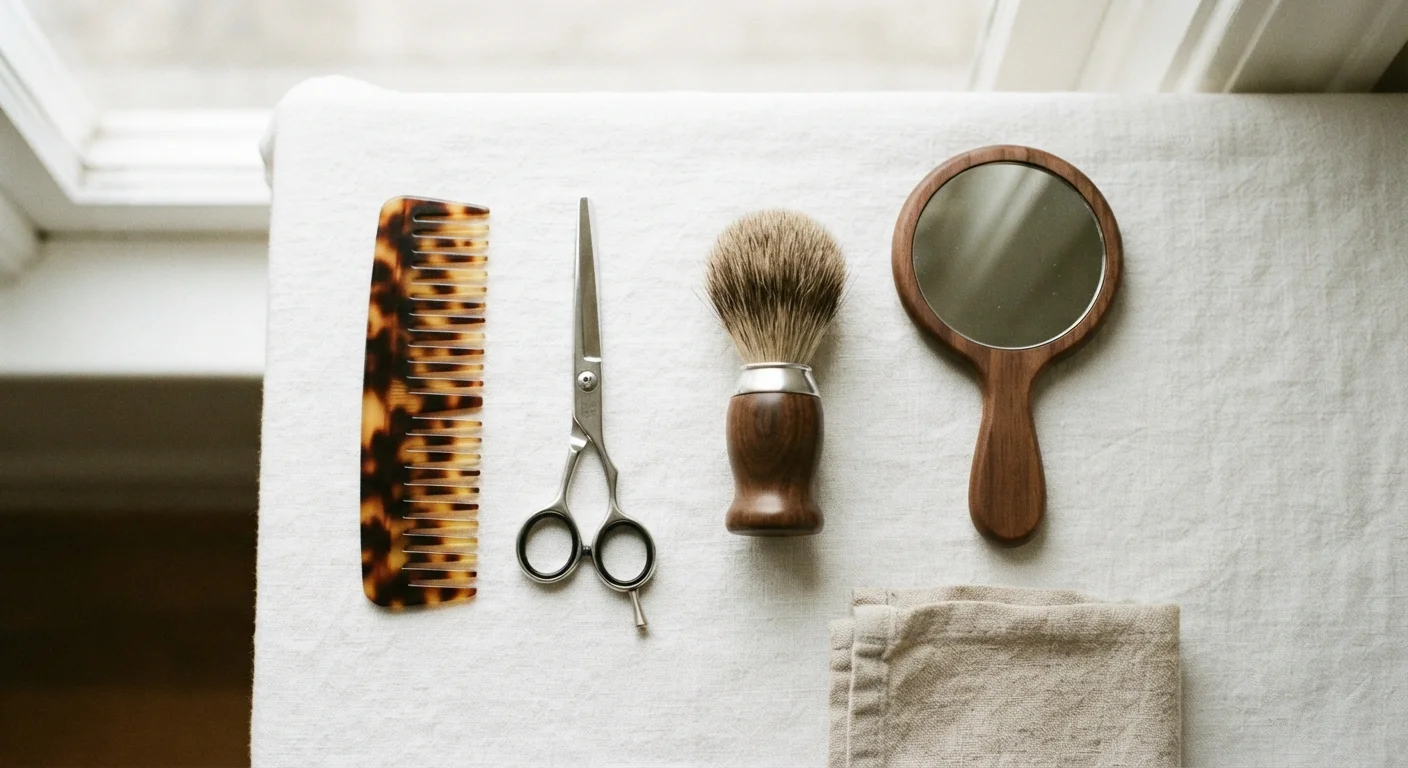
Photo: NemoFinds.com | Search, Explore, Read. editorial
Key Takeaways
- Trimming hair does not change its growth rate — that's determined by follicles, not scissors.
- Brushing 100 strokes a night can damage hair rather than improve it.
- Shaving does not make hair grow back thicker, darker, or faster.
- Oily scalps still need moisture — skipping conditioner won't reduce grease.
- Cold water rinsing does not actually seal or close hair cuticles permanently.
Why Grooming Myths Are So Stubborn
Grooming advice gets passed down like family recipes — with confidence, affection, and almost no fact-checking. Some myths have circulated for generations, repeated so often that they feel like common sense. The problem is that believing them can lead to routines that actively work against your hair and skin.
Whether you're building a routine from scratch or refining one you've had for years, separating fact from fiction is a genuinely useful starting point. For a grounded overview, check out our daily grooming checklist for no-fuss practical guidance. Below, we bust the myths that refuse to quit.
Myth
Trimming your hair makes it grow faster.
Fact
Hair growth happens at the follicle level in your scalp — scissors never touch that process.
This myth likely started because regular trims remove split ends, which prevents breakage that makes hair appear shorter over time. Healthier-looking length can feel like faster growth, but the biology hasn't changed. Hair grows approximately half an inch per month regardless of how often you cut it. Regular trims are worth doing for appearance and texture — just not for speed.
Myth
Brushing your hair 100 strokes every night makes it shinier and healthier.
Fact
Excessive brushing causes friction, cuticle damage, and breakage — especially for fine, curly, or chemically treated hair.
This old-fashioned advice likely came from an era when hair was brushed to distribute natural oils from scalp to ends — which does have some merit for very straight, unprocessed hair. But 100 strokes is excessive for almost everyone. Dermatologists generally suggest brushing only as needed to detangle and style, using a wide-tooth comb or brush suited to your texture. Less is often more.
Myth
Shaving makes hair grow back thicker, darker, and faster.
Fact
Shaving has no effect on hair follicles, pigment, or growth rate — the change is purely visual.
When hair is shaved, it's cut bluntly at the skin's surface. The new growth has a flat, blunt tip instead of the tapered natural end, which can feel coarser and look darker against the skin. But the actual diameter, color, and rate of growth remain unchanged. This has been confirmed in multiple dermatological studies. The myth persists because the feel of stubble is so convincing.
Myth
If your scalp is oily, you should skip conditioner entirely.
Fact
Conditioner applied correctly — to the mid-lengths and ends, not the scalp — won't worsen oiliness.
Oily scalp and dry ends are a genuinely common combination, and skipping conditioner to manage grease often backfires. The scalp produces sebum (natural oil) independently of whether the ends are moisturized. Avoiding conditioner entirely can leave hair brittle and prone to breakage. The solution is targeted application: focus conditioner on the lengths and ends, and rinse thoroughly.
Myth
Rinsing with cold water seals your hair cuticles and adds permanent shine.
Fact
Cold water can temporarily smooth the cuticle surface, but the effect is short-lived and modest.
Hair cuticles are influenced most significantly by the pH of your hair products and the health of the hair shaft itself — not water temperature. A cold rinse at the end of a shower may help reduce frizz momentarily by briefly flattening the cuticle layer, but it's not a substitute for proper conditioning and gentle handling. It won't hurt, but it's not the game-changer it's often claimed to be.
Myth
Washing your hair every day strips it and causes damage.
Fact
Wash frequency should be based on your scalp type and lifestyle — daily washing is fine for many people.
For people with fine hair, active lifestyles, or naturally oily scalps, daily washing is often appropriate and keeps the scalp healthy. For those with dry, coily, or chemically treated hair, less frequent washing may genuinely work better. There's no universal rule. Using a gentle, sulfate-free formula reduces the risk of over-stripping regardless of how often you shampoo. Let your scalp, not a myth, guide the schedule.
What Actually Works — and Why It Matters
Once you clear out the myths, the real principles of good grooming are surprisingly simple: consistency, gentle handling, and matching your approach to your actual hair type and scalp condition. Those factors matter far more than any grooming folklore.
~0.5 in/month
Average human hair growth rate
According to the American Academy of Dermatology, scalp hair grows roughly half an inch (about 1.25 cm) per month on average, regardless of trimming frequency.
90%
Of hair follicles actively growing at any time
Dermatological research indicates that roughly 90% of scalp hair is in the active growth (anagen) phase at any given time, with the remainder in transition or resting phases.
Hair texture, in particular, changes what "good care" looks like dramatically. What works for fine, straight hair can be actively drying and damaging for coily or curly hair. Our guide on grooming habits across hair textures breaks this down clearly by type.
If you've noticed more shedding recently and are wondering whether myth or reality applies to your situation, our article on hair loss in your 20s and 30s explains what's normal and when to consult a professional. Grooming myths are largely harmless once debunked — but acting on the wrong information for too long can set your hair health back. The good news: most damage from misguided habits is reversible with a more evidence-informed approach.
Don't Let Myths Delay Real Care
This article is for general informational purposes only and is not a substitute for advice from a qualified dermatologist or healthcare professional. If you have concerns about hair loss, scalp conditions, or skin health, consult a licensed professional.
The content on this site is for informational purposes only and is not a substitute for professional advice. Always consult a qualified professional for guidance specific to your situation.