
Simple Habits That Make a Skincare Routine Stick Long-Term

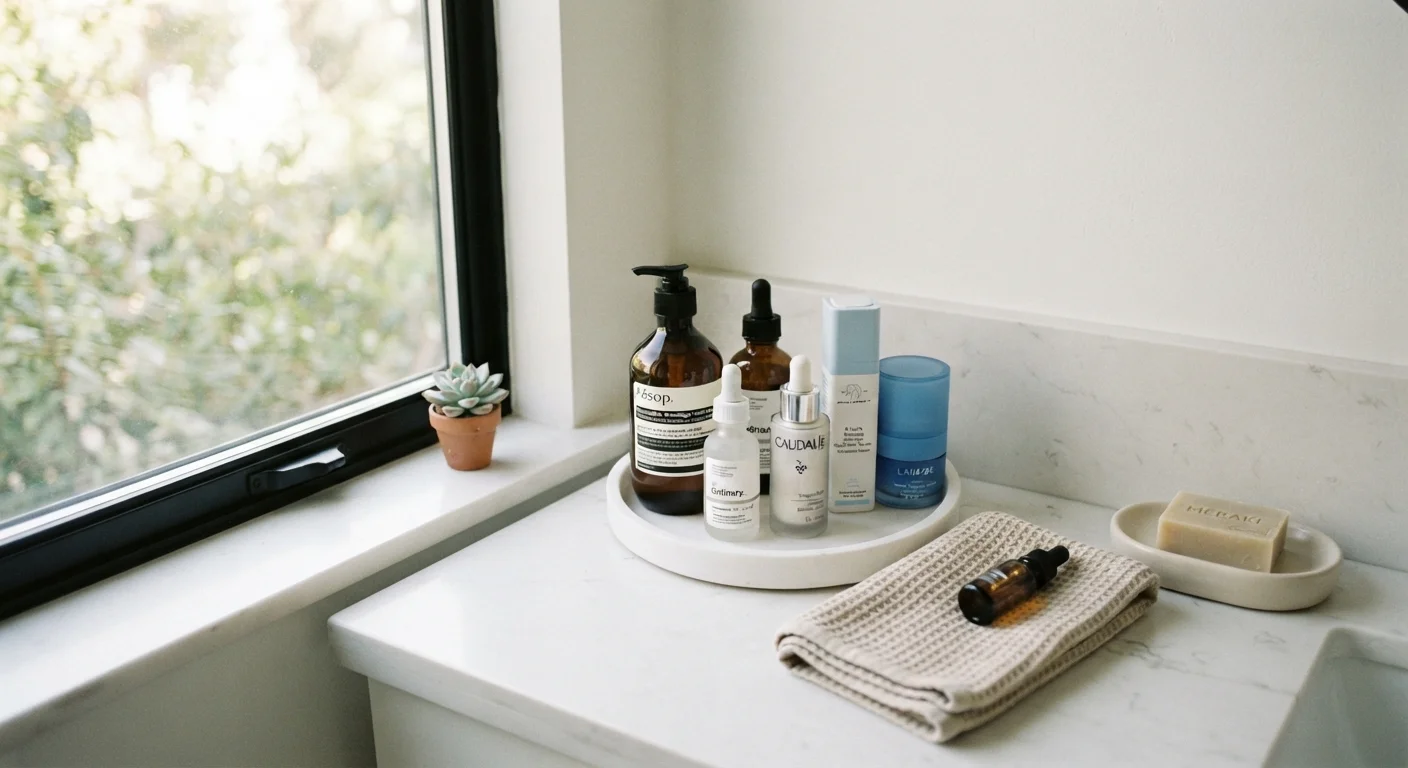
Photo: NemoFinds.com | Search, Explore, Read. editorial
Key Takeaways
- A three-step routine done daily beats an elaborate one done occasionally.
- Pairing skincare steps with existing habits removes the need for willpower.
- Skin type and life schedule should shape your routine, not the other way around.
- Progress tracking — even just noticing improvements — reinforces long-term consistency.
- Giving yourself permission to simplify during busy periods prevents total abandonment.
Why Most Skincare Routines Fall Apart
We've all been there: you buy a thoughtful lineup of cleansers, serums, and moisturizers, commit hard for two weeks, and then… life happens. The routine quietly disappears. This isn't a willpower problem — it's a habit-design problem. Research in behavioral science consistently shows that new behaviors need low friction and clear cues to survive. When a skincare routine requires hunting for products, remembering the right order, or carving out extra time, it's set up to fail from the start. Understanding why routines collapse is the first step toward building one that actually lasts. For a deeper dive into the mechanics at play, the science behind habit formation is well worth exploring.
Best Practices for Making Your Routine Stick
These evidence-informed habits address the most common drop-off points — and they work for any skin type, schedule, or budget.
Keep all your products visible and within arm's reach
Anchor skincare steps to an existing daily habit
Choose a routine you can maintain on your worst day
Notice and acknowledge small improvements
Reassess your routine seasonally, not obsessively
Start Small, Then Build
The biggest mistake people make is launching a six-step routine on day one. Instead, begin with the non-negotiables: a gentle cleanser, a basic moisturizer, and daily SPF in the morning. Once those three steps feel automatic — usually after a few weeks — you can layer in extras like a targeted serum or weekly exfoliant. This graduated approach mirrors what behavioral researchers call "habit scaffolding," where mastery at one level earns you the bandwidth to add the next. As explored in why consistency beats intensity, moderate and regular habits reliably outperform dramatic overhauls.
When Life Gets Busy, Shrink — Don't Quit
Fit Skincare Into Life, Not the Other Way Around
The most sustainable routine is one that slots into your existing schedule without negotiation. If you shower at night, that's your ideal cleansing window. If your morning commute starts early, keep your AM steps under two minutes. One of the most practical tools for making new habits automatic is habit stacking — linking a new behavior to something you already do reliably, like brushing your teeth or brewing coffee. Learn more about making this work for you in our guide on habit stacking. Your nighttime routine, in particular, pairs naturally with wind-down rituals; understanding what your skin does while you sleep can make evening steps feel genuinely rewarding rather than obligatory.
A Note on Skin Type and Routine Fit
For weekly upkeep — washing brushes, checking product dates, reassessing what's working — bookmark The Weekly Skincare Reset Checklist as a low-effort maintenance tool.
66 days
Average time for a new habit to become automatic
According to a study published in the European Journal of Social Psychology (Lally et al., 2010), habit formation took anywhere from 18 to 254 days, with 66 days as the average.
40%
Of daily actions driven by habit, not conscious decision
Research from Duke University suggests roughly 40% of our daily behaviors are habitual, highlighting how much routine — not willpower — drives what we actually do.
The content on this site is for informational purposes only and is not a substitute for professional advice. Always consult a qualified professional for guidance specific to your situation.