
Nighttime Skincare: What Your Skin Actually Does While You Sleep

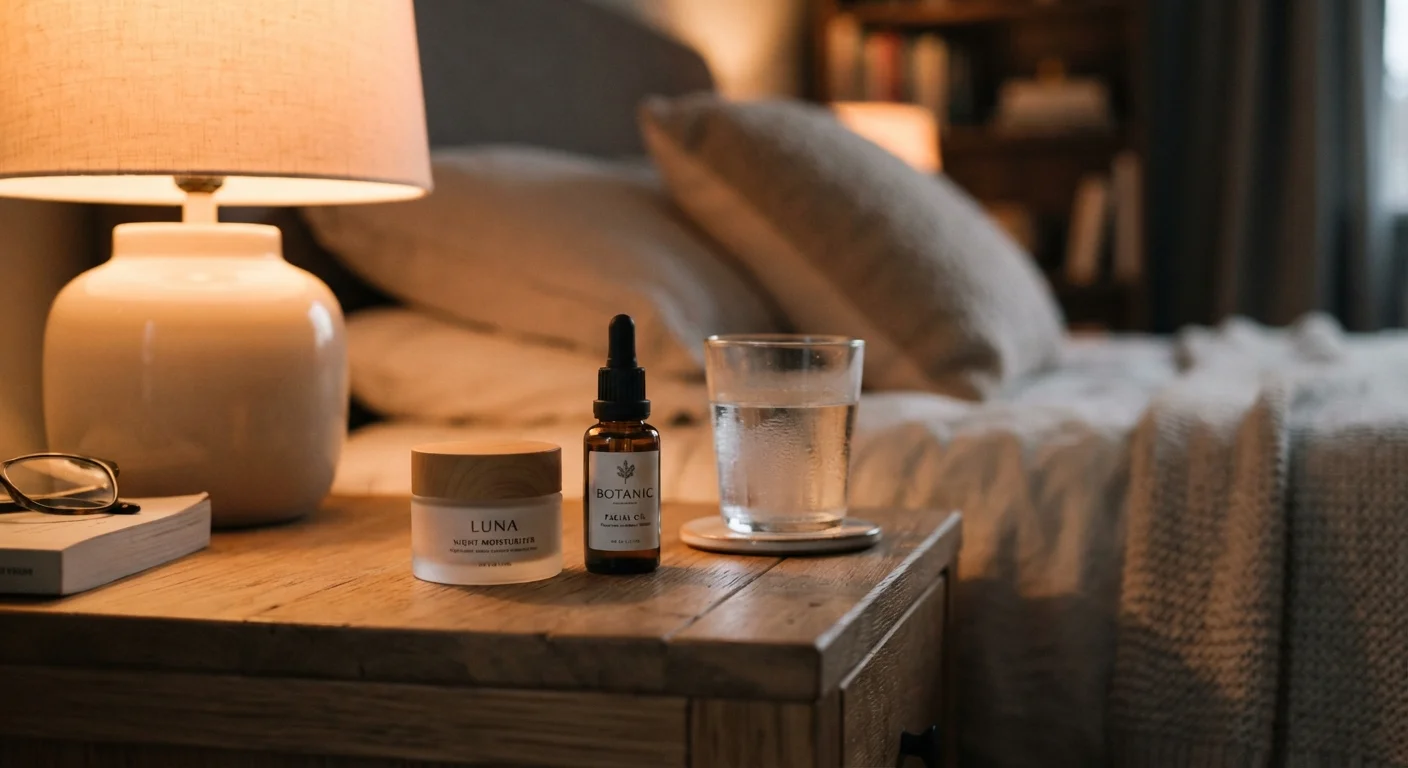
Photo: NemoFinds.com | Search, Explore, Read. editorial
Key Takeaways
- Skin cell turnover accelerates at night, making it the most active repair window in the 24-hour cycle.
- Sleep deprivation measurably disrupts skin barrier function and delays wound healing.
- Nighttime is the ideal window for actives like retinoids and exfoliating acids, which can be broken down by UV light.
- Hydration loss (called transepidermal water loss) increases overnight, so a good moisturizer helps seal that gap.
- Consistent sleep quality matters as much as the products you apply.
The Biology Behind Nighttime Skin Repair
Your skin is your body's largest organ, and it runs on a schedule. During daylight hours, it's in defense mode — producing melanin, managing UV stress, and keeping the barrier tight against environmental aggressors. Come nightfall, it shifts gears entirely. This rhythm is driven by your circadian clock, which coordinates biological timing across nearly every system in the body.
When you fall asleep, a cascade of repair activity begins. Epidermal cell division speeds up — studies on skin biology have consistently shown that mitotic activity (cell division) in the skin peaks during the night hours. At the same time, growth hormone released during slow-wave (deep) sleep stimulates collagen synthesis and tissue repair in the dermis, the deeper structural layer. Blood flow to the skin also increases, delivering more oxygen and nutrients to fuel this work.
DNA repair enzymes become more active overnight too, working to correct the strand breaks and oxidative damage accumulated from UV exposure and pollution during the day. This is why dermatologists often describe sleep as the most powerful free skincare tool available.
~30%
Increase in skin cell division at night vs. daytime
Research in chronobiology has consistently documented higher mitotic rates in skin epidermis during nocturnal hours compared to daytime peaks.
7–9 hrs
Sleep duration linked to normal physiological repair
Major health bodies including the CDC and American Academy of Sleep Medicine recommend this range for adults to support overall bodily function.
Elevated
Transepidermal water loss after sleep deprivation
Clinical studies have found measurable increases in skin barrier permeability following even short periods of restricted or disrupted sleep.
What Happens When Sleep Gets Cut Short
Poor or insufficient sleep doesn't just leave you looking tired — it actively disrupts skin function. Research published in peer-reviewed journals has found that even short-term sleep restriction increases transepidermal water loss (TEWL), meaning the skin barrier becomes leaky and less able to hold onto moisture. Inflammatory markers also rise, which can worsen conditions like acne, eczema, and rosacea for people who are prone to them.
Wound healing — a process that mirrors nightly tissue repair — has also been shown to slow significantly in sleep-deprived individuals. For anyone wondering why breakouts seem harder to shake or skin looks persistently dull, sleep quality is worth examining as a contributing factor. For a broader look at how sleep timing affects your overall health, morning versus evening habit timing is worth exploring.
Building a Smart Evening Routine Around Your Skin's Schedule
The goal of a nighttime skincare routine isn't to fight against biology — it's to work with it. That means clearing the way for repair and layering in ingredients that complement what your skin is already doing.
Step 1: Cleanse
Removing sunscreen, makeup, and particulate pollution is non-negotiable. These residues can interfere with cell turnover and cause oxidative stress. A gentle, non-stripping cleanser works for most skin types.
Step 2: Apply actives strategically
Nighttime is the right time for retinoids (vitamin A derivatives) and exfoliating acids like AHAs and BHAs. Both can be degraded by UV light and may increase photosensitivity, making daytime use less effective and potentially irritating. Start slowly — once or twice a week — and build up as your skin adapts. Understanding your skin barrier first will help you avoid over-exfoliating.
Step 3: Moisturize
TEWL increases during sleep regardless of skin type. A moisturizer with occlusives (ingredients that form a breathable seal) like petrolatum, dimethicone, or shea butter helps reduce that overnight moisture loss. Those with very dry skin may benefit from layering a hydrating serum containing humectants like hyaluronic acid or glycerin underneath.
Less Is More With Nighttime Actives
If you're starting from scratch and aren't sure where to begin, the beginner's guide to building a skincare routine lays out every step in plain language.
The Sleep Environment Matters Too
Skincare products are only part of the picture. The conditions you sleep in affect how effectively your skin repairs itself.
Pillowcases: Cotton can absorb product and create friction against facial skin. Silk or satin pillowcases are frequently recommended as an easy swap to reduce that mechanical stress — though it's worth noting the long-term evidence specifically linking pillowcase material to skin aging is still limited.
Humidity: Very dry indoor air (common in heated or air-conditioned rooms) can increase TEWL further. A bedroom humidifier can help maintain ambient moisture, particularly in winter months.
Screen exposure before bed: The blue light from devices is often blamed for skin effects, but the more established concern is its impact on sleep quality itself. If screens are disrupting your rest, your skin repair window shrinks accordingly. The screen time and sleep research is more nuanced than headlines suggest — it's worth a read.
Once you have the basics down, making the routine stick long-term is the real challenge — and it's more about habit design than willpower.
This article is for informational purposes only and is not medical or dermatological advice. Consult a qualified healthcare or skincare professional for guidance tailored to your specific skin concerns.
Frequently Asked Questions
The content on this site is for informational purposes only and is not a substitute for professional advice. Always consult a qualified professional for guidance specific to your situation.