
Building a Wardrobe From Scratch: A Practical Starting Point

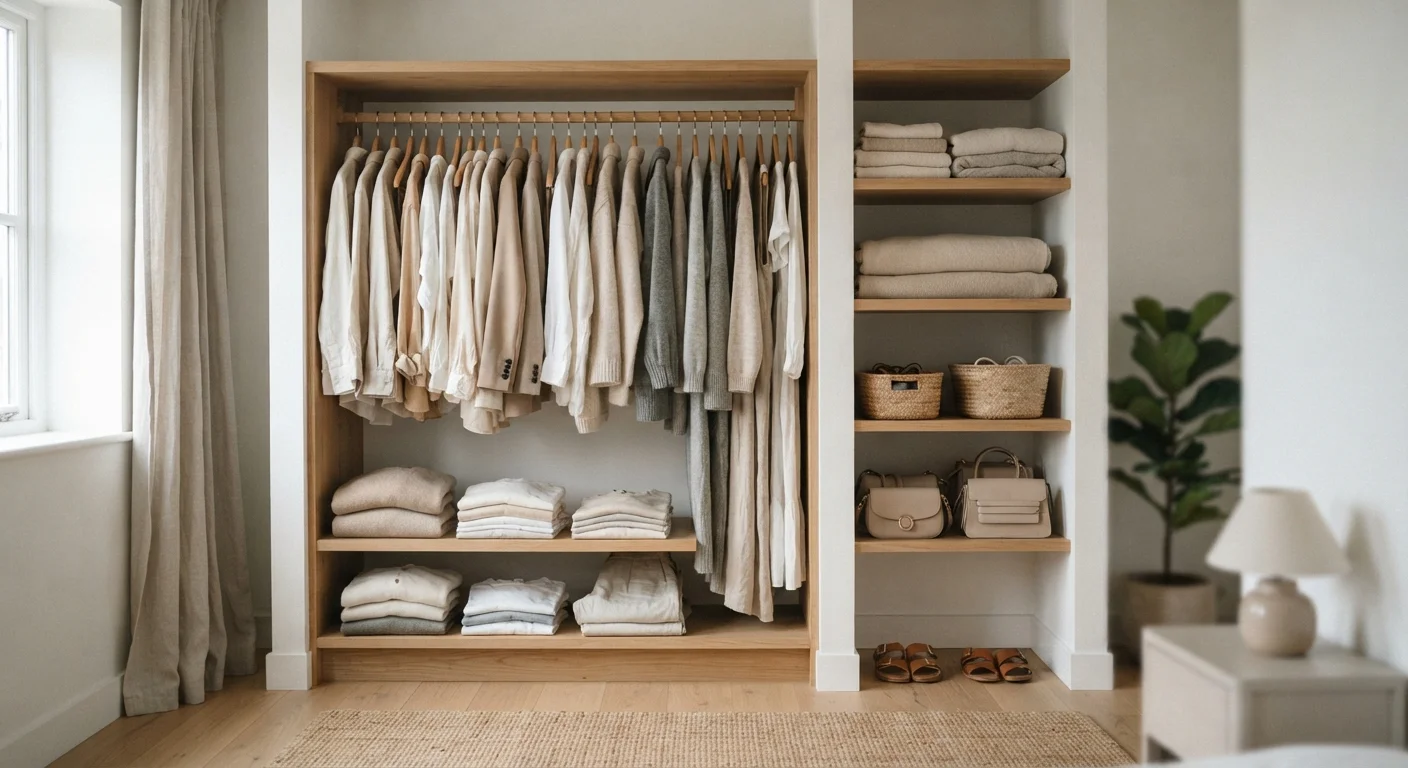
Photo: NemoFinds.com | Search, Explore, Read. editorial
Key Takeaways
- Start with versatile, neutral basics before adding trend-driven or occasion-specific pieces.
- Your lifestyle — not magazines — should determine which clothing categories you prioritize.
- A smaller, intentional wardrobe almost always outperforms a large, unfocused one.
- Thoughtful choices at any price point build a more lasting wardrobe than impulse spending.
- Gaps are normal — plan to fill them gradually rather than all at once.
Why Starting From Scratch Is Actually an Advantage
An empty closet feels daunting, but it comes with a rare gift: zero bad habits baked in. You're not dragging forward impulse buys, ill-fitting hand-me-downs, or clothes that no longer match who you are. You get to build deliberately — and that intentionality is the single biggest factor separating a functional wardrobe from a chaotic one.
The goal here isn't to have more clothes. It's to have the right clothes — pieces that work together, suit your real life, and hold up over time. Whether your budget is tight or flexible, the framework is the same: understand your life, define your needs, then fill gaps systematically.
What you will need
What You'll Need to Get Started
Before buying a single thing, gather information. Your wardrobe should reflect your actual daily life — not an aspirational version of it. Think about the contexts you dress for most often: a commute, physical labor, remote work, frequent social events, outdoor activities. The mix is different for everyone.
Full-length mirror
Lets you evaluate fit and proportion accurately before committing to a purchase.
Body measurements (written down)
Enables accurate size selection when shopping online or in stores with inconsistent sizing.
Clothing budget
Keeps spending intentional; allocate by lifestyle category, not just total amount.
Smartphone or notepad
Track your lifestyle breakdown, gap list, and items you already own to avoid duplicates.
Once you know your lifestyle breakdown, you can allocate your closet space (and budget) accordingly. Someone who works from home and hits the gym most days needs a completely different starting point than someone with a business-casual office and active weekend social life.
How to Build Your Wardrobe Step by Step
Follow these steps in order. Resist the urge to jump ahead to the fun stuff — the colorful accent pieces and statement items — before the foundation is solid.
Map Your Lifestyle by Percentage
Estimate how you spend your time across major categories: work, casual/home, social/dressy, and active. Even rough percentages help — for example, 50% casual, 30% work, 10% social, 10% active. Your wardrobe space and spending should mirror those proportions.
Identify Your Core Neutral Base
Neutrals are the backbone of any functional wardrobe. Choose two or three colors that work together naturally for you — common starting points include white, black, navy, grey, tan, and olive. Every bottom should pair with every top within this palette without effort.
Aim for three to five bottoms (pants, skirts, or shorts based on your lifestyle) and five to seven tops in neutral tones to start.
Add One Layering Piece
A single, well-fitting layer — a structured jacket, a cardigan, a denim jacket, or a blazer depending on your lifestyle — immediately multiplies your outfit options. This one piece can shift a casual look toward polished, extend a summer top into fall, or add formality when needed.
Build a Functional Footwear Base
You need fewer shoes than you think. Aim for three to four pairs that cover your main lifestyle categories: a comfortable everyday shoe (sneaker, loafer, or flat), one versatile dress or elevated option, and one weather-appropriate shoe (a boot, sandal, or waterproof option depending on your climate). Footwear should coordinate with your neutral palette.
Note Your Gaps — Then Wait
After your first pass, you'll likely notice things missing: a dress for occasions, activewear, warmer layers, etc. Write them down in order of urgency. Then live with what you have for two to four weeks before filling those gaps. Real-use experience almost always reshapes the list — and saves money.
Coordinate Before You Accumulate
Once your foundation is established, you'll have a much clearer picture of what's genuinely missing. That clarity makes future shopping more efficient and far less wasteful. For a deeper look at pieces that travel well across life contexts, explore our guide to versatile wardrobe pieces.
Common Pitfalls and How to Avoid Them
Even with the best intentions, a few traps catch a lot of people early on.
- Buying aspirationally: Clothes for a life you don't yet live will sit unworn. Dress for your Tuesday, not your fantasy Friday.
- Chasing trends too early: Trend pieces age fast. Build your neutral base first; trends can be layered in affordably once you have anchors.
- Ignoring fit: A well-fitting item at any price outperforms an ill-fitting one that cost three times as much. Prioritize how something fits over what it costs.
- Buying everything at once: Resist the urge to fill the closet in a weekend. Living with a small selection for a few weeks reveals what you actually reach for.
Fit Beats Price Every Time
As your wardrobe matures, periodic check-ins become valuable. Our guide to wardrobe audits walks you through evaluating what's earning its space — and what isn't. And when seasons shift, seasonal wardrobe transitions can help you reassess before gaps become problems.
The content on this site is for informational purposes only and is not a substitute for professional advice. Always consult a qualified professional for guidance specific to your situation.