
Versatile Wardrobe Pieces Across Different Life Contexts

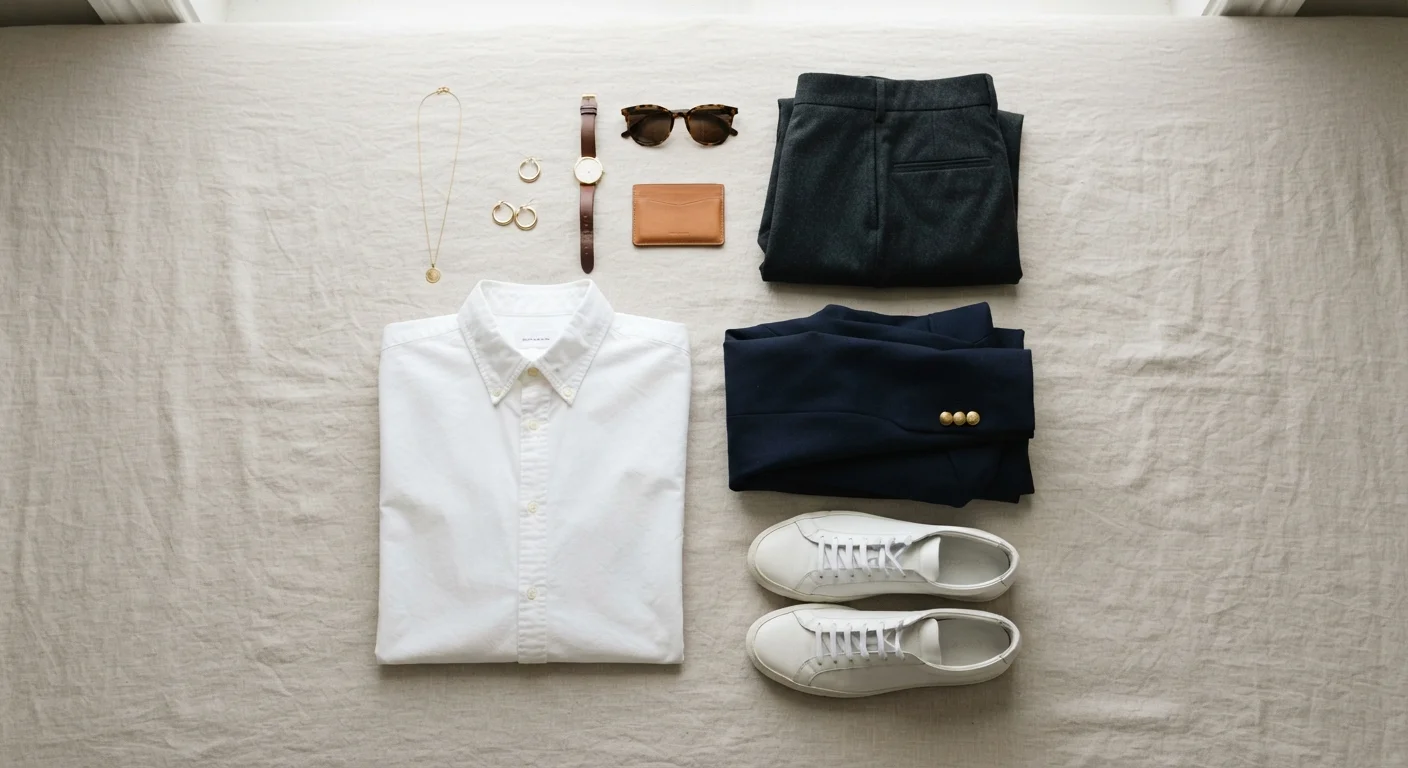
Photo: NemoFinds.com | Search, Explore, Read. editorial
Key Takeaways
- Versatility comes from cut, color, and fabric — not just category of garment.
- A piece earns its closet space by working across at least two distinct contexts.
- Neutral tones and clean silhouettes typically offer the widest styling range.
- Layering potential multiplies how many outfits a single garment can create.
- Fit is the single biggest factor in whether a piece looks polished or sloppy.
- Understanding dress codes helps you style multi-purpose pieces with confidence.
What Makes a Piece Truly Versatile?
A wardrobe piece isn't versatile just because it's plain or inexpensive — it's versatile because it functions well across genuinely different contexts without looking out of place in any of them. That means it can go from a Monday morning meeting to a Saturday dinner with minimal effort. The qualities that enable this are specific: a flattering but not costume-like cut, a color that pairs naturally with other items you own, a fabric that holds its shape and doesn't scream "gym" or "beach," and proportions that work with layering.
If you've been thinking about how to build a more intentional closet, our guide on building a wardrobe from scratch is a helpful companion read. And if you're ready to audit what you already own, a wardrobe audit can quickly reveal which pieces are genuinely earning their space.
Below are eight garment types — with the qualities to look for in each — that consistently punch above their weight when it comes to versatility.
The Tailored Blazer
A blazer with a clean, non-boxy silhouette is one of the hardest-working garments in any closet. Wear it over a T-shirt with jeans for smart-casual, or pair it with matching trousers for a polished work look. The qualities to prioritize: structured but not stiff shoulders, a length that hits at or just below the hip, and a color in navy, charcoal, camel, or black. Avoid loud linings or trendy lapels that date quickly — a classic notch lapel stays relevant indefinitely. Fabric matters too; a mid-weight wool blend or ponte knit holds its shape far better than a thin poly version. For a deeper look at why some garments age better than others, see our article on classic vs. timeless clothing.
A blazer with the right silhouette moves from casual to professional without missing a beat.
Dark, Well-Fitted Trousers
Dark trousers — in navy, charcoal, or black — are a context-crossing workhorse. The key word is fitted: not tight, but tailored to your actual proportions so they don't bunch, sag, or pool at the hem. A straight or slim-straight leg is the most adaptable cut because it reads formal when paired with a blazer and relaxed when worn with a clean sneaker or loafer. Avoid overly distressed finishes, cargo pockets, or ultra-low rises, which limit the occasions they'll work for. A mid-rise with a clean front and minimal detailing will carry you from the office to dinner without needing a change. If fit is something you struggle to find off the rack, our piece on why clothes don't always fit as expected offers practical guidance.
Fit is the single quality that determines whether dark trousers look polished or sloppy.
A Crisp White or Neutral Button-Down Shirt
The button-down shirt earns its reputation through sheer adaptability. Tucked in with trousers: professional. Left untucked over slim jeans: weekend-ready. Worn open over a T-shirt: layered and casual. The qualities that make it versatile rather than fussy are a fabric with some body (a cotton poplin or Oxford cloth holds shape well), a cut that fits through the shoulders without pulling, and a color in white, light blue, or soft chambray. Avoid slim-fit shirts so tight they gap at the chest — that kills the professional read instantly. A slightly relaxed or regular fit with room to layer is almost always the right call for multi-context use.
One button-down shirt styled three different ways covers professional, smart-casual, and weekend contexts.
A Knit Midi Dress or Wrap Dress
For those who wear dresses, a knit midi or wrap dress is one of the most forgiving and adaptable silhouettes available. The wrap style in particular accommodates a wide range of body proportions naturally. The midi length (hitting somewhere between the knee and mid-calf) reads more versatile than mini or maxi because it works in professional, social, and casual contexts with different shoes and layers on top. Look for a matte jersey or ponte knit rather than a shiny synthetic — the former looks more considered. Style it with ankle boots and a blazer for work, swap to sandals for a weekend lunch, or add a denim jacket for a casual-smart evening out. Fabric choices matter here — our guide to natural vs. synthetic fabrics can help you choose materials that wear well over time.
A wrap or knit midi dress adjusts to body proportions naturally and crosses multiple contexts with ease.
A Clean, Solid-Color Crewneck or V-Neck Sweater
A fine-gauge knit sweater in a solid neutral is one of the most underrated layering tools in a wardrobe. Worn alone with trousers, it looks polished. Layered under a blazer, it adds warmth without bulk. Paired with jeans and white sneakers, it reads smart-casual on weekends. The qualities that matter: a relatively fine knit (chunky fisherman styles are cozy but limited in range), a crewneck or V-neck that doesn't overwhelm your neckline, and colors like oatmeal, navy, burgundy, or forest green that complement rather than compete. Merino wool is a standout fabric choice — it's temperature-regulating, resists odor, and drapes without clinging. Avoid embellishments, large logos, or graphic prints, which narrow the contexts considerably.
A fine-gauge solid sweater layers under blazers, over shirts, and stands alone — all in the same day.
Dark Jeans With a Clean Finish
Dark-wash jeans with minimal distressing and a straight or slim cut occupy a remarkable middle ground between casual and smart-casual. The darker the wash, the more elevated the read — a dark indigo or almost-black denim pairs convincingly with a blazer or button-down for situations where denim is acceptable but a polished look is still expected. The finish to avoid: heavy fading, large rips, or embellishments that push the garment firmly into weekend-only territory. A mid-rise, straight-leg silhouette in a medium-weight denim is the most adaptable combination — it flatters most proportions, holds its shape after washing, and transitions smoothly between casual and dressed-up styling. The capsule wardrobe concept often centers on exactly this kind of piece.
Dark-wash jeans with a clean finish can step into smart-casual territory that lighter denim simply can't.
A Lightweight, Versatile Outer Layer
A trench coat, structured overcoat, or tailored bomber in a neutral tone functions as the finishing layer for nearly any outfit. The outer layer is what people often see first, and it shapes the overall impression before the details underneath register. A camel or navy trench reads professional over workwear and polished over weekend outfits. A clean-lined bomber in olive or black bridges casual and smart-casual. What to avoid: statement graphics, very bright colors, or highly technical fabrics (think waterproof neon windbreakers) that anchor the coat to one specific context. Look for a clean silhouette, a fabric with some drape, and a length that works proportionally with the clothes you wear most. Outerwear also needs to survive seasonal transitions — something our seasonal wardrobe transition guide addresses directly.
Your outer layer sets the tone for the entire outfit — a neutral, clean silhouette keeps all options open.
A Low-Profile, Versatile Shoe
Footwear dramatically shifts the context of any outfit, which means one well-chosen shoe style can multiply your outfit options without adding a single garment. A low-profile leather or leather-look loafer, a clean white sneaker, or a simple block-heel ankle boot each occupies a styling sweet spot. The qualities to look for in a versatile shoe: a silhouette without heavy branding or extreme design details, a neutral or classic color (white, black, tan, navy), and a heel height (or lack thereof) that doesn't restrict how long you can comfortably wear them. When it comes to mixing these shoes into varied outfits, understanding basic color coordination helps ensure your footwear integrates rather than clashes with the rest of your look.
One well-chosen, low-profile shoe style can shift the same outfit from casual to polished in seconds.
Putting It All Together
Versatility isn't about owning the "right" items — it's about understanding why certain pieces work and applying that logic to your own body, lifestyle, and budget. A well-fitting dark trouser from a thrift store can outperform an ill-fitting designer alternative every single time. When you learn to read garments for their functional potential rather than their label or trend status, your whole approach to getting dressed shifts.
Start With What You Already Own
It also helps to understand how context shapes expectations. If you're not sure how to read dress codes — especially for work events or social occasions where the rules feel murky — our dress codes decoded guide breaks it all down clearly. And for pieces that need to cross seasons, check out our seasonal wardrobe transition checklist to keep your multi-use items in rotation year-round.
The content on this site is for informational purposes only and is not a substitute for professional advice. Always consult a qualified professional for guidance specific to your situation.