
Hair Loss in Your 20s and 30s: What's Normal, What's Not, and When to Seek Help
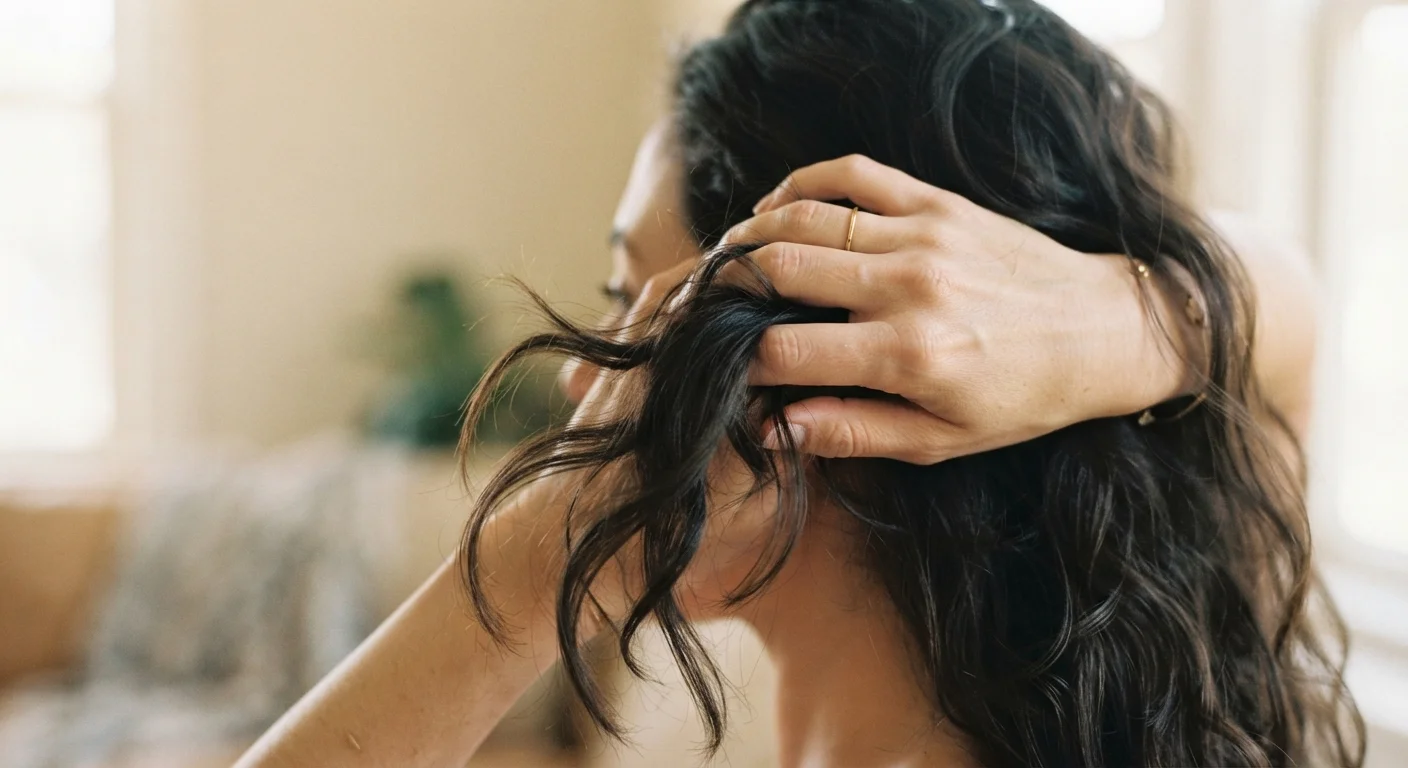
Photo: NemoFinds.com | Search, Explore, Read. editorial
Key Takeaways
- Losing 50–100 hairs per day is considered normal for most adults.
- Hair loss in your 20s and 30s is often triggered by stress, nutritional gaps, or hormonal shifts — not just genetics.
- Sudden or patchy hair loss warrants a visit to a dermatologist sooner rather than later.
- Many causes of early hair loss are reversible with the right diagnosis and care.
- Tight hairstyles and harsh chemical treatments can contribute to traction and damage-related hair loss.
How Much Hair Loss Is Actually Normal?
Before you spiral at the sight of hair in your shower drain, here's some reassuring context: the average person sheds between 50 and 100 hairs per day as a natural part of the hair growth cycle. Hair goes through phases — growing, resting, and shedding — and at any given time, roughly 10% of your strands are in the shedding phase.
What looks alarming in the drain is often just accumulated daily shedding, especially if you wash your hair every few days. Texture, density, and hair length all affect how noticeable shed hair appears. Curly or coiled hair types may see larger-looking clumps simply because strands coil together before falling.
The number to pay attention to isn't so much a count as a change. If your shedding feels dramatically higher than your personal baseline, or if you're noticing visible thinning at the crown or temples, that shift is worth investigating.
Shedding vs. Breakage: Know the Difference
Common Causes of Hair Loss in Your 20s and 30s
Hair loss in younger adults isn't always about genetics. Several highly treatable factors can trigger increased shedding or thinning:
- Nutritional deficiencies: Low levels of iron, vitamin D, zinc, or biotin are among the most frequently identified culprits in younger adults, particularly those who've recently changed their diet or follow restrictive eating patterns.
- Stress: Physical or emotional stress can push large numbers of hair follicles into the resting phase simultaneously — a condition called telogen effluvium. The shedding typically appears two to three months after the stressful event, which makes the cause easy to miss.
- Hormonal changes: Thyroid disorders, polycystic ovary syndrome (PCOS), postpartum hormonal shifts, or stopping hormonal contraception can all disrupt the hair cycle.
- Androgenetic alopecia: Yes, hereditary hair loss can and does appear in your 20s. It tends to follow a gradual, patterned thinning rather than sudden shedding.
- Hairstyle habits: Repeated tension from tight styles — buns, braids, extensions — can lead to traction alopecia over time. Chemical treatments and excessive heat can also weaken strands to the point of breakage, which mimics shedding. Check out our article on common grooming myths to separate fact from fiction about everyday hair habits.
50–100
Hairs shed per day considered normal
According to the American Academy of Dermatology, this daily shedding range is part of the healthy hair growth cycle for most adults.
~50%
Of men affected by hereditary hair loss by age 50
The American Hair Loss Association estimates that androgenetic alopecia affects roughly half of all men by their 50s, with many noticing onset in their 20s.
1 in 3
Women who experience noticeable hair loss in their lifetime
Research published in dermatology literature suggests female-pattern hair loss is significantly underreported and underdiagnosed in younger age groups.
Signs That Warrant a Doctor's Visit
Not all hair loss is created equal, and some patterns are signals to act sooner rather than later:
- Patchy or circular bald spots — these may indicate alopecia areata, an autoimmune condition where the immune system attacks hair follicles.
- A rapidly receding hairline over weeks or months, rather than the gradual progression typical of hereditary loss.
- Scalp symptoms like persistent itching, scaling, or pain alongside hair loss — this could point to a skin condition. You might also want to understand whether you're dealing with dandruff or dry scalp, since both can affect scalp health.
- Loss of eyebrows, eyelashes, or body hair alongside scalp shedding.
- Hair loss after starting a new medication — worth flagging with your prescribing physician.
A dermatologist is your first stop. They may order blood work to check thyroid function, iron levels, hormone panels, and other markers before recommending a course of action.
Track Changes Before Your Appointment
What You Can Do Right Now
While waiting for a medical evaluation — or if your hair loss seems tied to lifestyle factors — there are practical, low-risk steps that support overall scalp and hair health:
- Ease up on mechanical stress: Loosen tight styles, reduce heat tool frequency, and let hair air dry when possible.
- Review your diet: Aim for a balanced intake of protein, iron-rich foods, and leafy greens. If you suspect a deficiency, have levels tested before adding supplements — more isn't always better.
- Manage stress actively: Sleep, movement, and mental health support aren't just good for your overall wellbeing; they're genuinely connected to hair health.
- Be gentle with wet hair: Wet strands are more fragile. Detangle starting from the ends and work upward with a wide-tooth comb.
It's worth noting that no shampoo, serum, or supplement can reverse genetically driven hair loss on its own — if that's a concern, a dermatologist's guidance is the most reliable path forward.
“Hair loss is one of the most emotionally distressing conditions we treat, but it is also one of the most commonly misunderstood. Getting an accurate diagnosis early — rather than self-treating — gives patients the best chance of meaningful improvement.”
— American Academy of Dermatology, Professional medical organization representing board-certified dermatologists
This article is for general informational purposes only and is not a substitute for professional medical advice. If you are experiencing hair loss, consult a qualified healthcare provider for personalized evaluation and guidance.
Frequently Asked Questions
The content on this site is for informational purposes only and is not a substitute for professional advice. Always consult a qualified professional for guidance specific to your situation.