
The Real Cost of Owning a Car Goes Well Beyond the Sticker Price

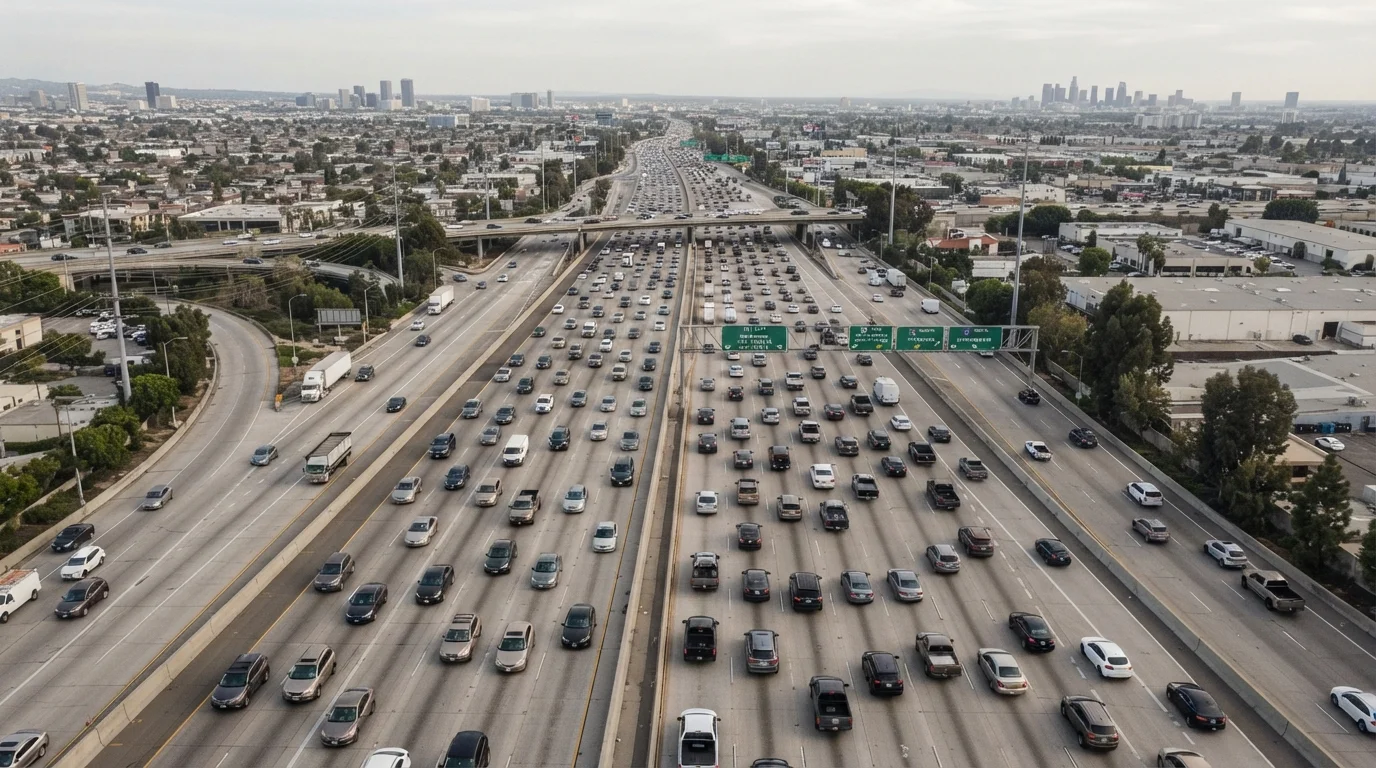
Photo: NemoFinds.com | Search, Explore, Read. editorial
Key Takeaways
- Depreciation is usually the single largest component of car ownership cost, often exceeding fuel and insurance combined.
- Annual ownership costs for a typical new vehicle frequently range from $10,000 to $12,000 when all expenses are included.
- Older vehicles with no loan payment can still carry high total costs if repair bills and fuel consumption are significant.
- Insurance premiums vary widely based on vehicle type, driver history, and location - always factor these in before purchase.
- Routine maintenance prevents far more expensive repairs down the road, making it a cost-saving investment.
What 'Owning a Car' Actually Costs
Many drivers focus almost entirely on the monthly payment when evaluating whether they can afford a vehicle. That figure, however, captures only a fraction of what car ownership actually costs. A more accurate picture requires adding up every major expense category across a full year.
Broadly, ownership costs fall into two buckets: fixed costs - expenses that remain relatively constant regardless of how much you drive - and variable costs - expenses that rise and fall with usage. Knowing the difference helps you anticipate where your money goes and where you have the most control.
For a practical overview of all the responsibilities that arrive alongside vehicle ownership, see our guide for first-time car owners.
$10,000-$12,000
Estimated average annual cost to own and operate a new vehicle
Industry analyses from organizations such as AAA consistently place total new-vehicle ownership costs in this range when depreciation, fuel, insurance, and financing are included.
~50%
Share of total ownership cost attributable to depreciation and financing
For many new vehicles, depreciation and loan interest together account for roughly half of all ownership expenses over the first five years, according to automotive cost analyses.
$1,500+
Typical annual fuel cost for an average US driver
Based on average US annual mileage and mid-range fuel economy figures; actual costs depend on local fuel prices and individual driving patterns.
Depreciation: The Invisible Expense
Depreciation is the decline in a vehicle's market value over time, and it is typically the largest single cost of ownership - yet it never shows up on a monthly statement. A new car can lose a meaningful percentage of its value within the first few years simply through the passage of time and accumulated mileage, regardless of how well it is maintained.
Because depreciation is not a cash outflow, it is easy to ignore. But when the time comes to trade in or sell the vehicle, that lost value is very real. Buyers who choose vehicles with stronger resale value histories - something you can research through publicly available pricing guides - tend to lose less to depreciation over equivalent ownership periods.
Depreciation Varies by Vehicle Type
Insurance, Fuel, and Financing Costs
Auto insurance is both legally required in most states and highly variable in cost. Premiums depend on factors including the driver's record, the vehicle's make and model, annual mileage, and geographic location. Reviewing your coverage at each renewal period is a practical way to ensure you're not overpaying. For broader context on insurance types and what they cover, the insurance basics hub is a useful starting point.
Fuel costs fluctuate with both pump prices and driving habits. A vehicle's EPA-estimated fuel economy rating provides a useful baseline, though real-world consumption typically differs based on traffic conditions and driving style. Consistent highway driving at moderate speeds generally produces better efficiency than frequent stop-and-go city travel.
Loan interest is an often-underestimated fixed cost. Over a standard five- or six-year loan term, interest charges can add several thousand dollars to the total amount paid, making the effective purchase price meaningfully higher than the sticker price. Drivers weighing whether to lease or purchase should factor this in - see our overview of leasing vs. buying for a structured comparison.
Get Insurance Quotes Before You Buy
Maintenance, Registration, and the Costs You Can Control
Routine car maintenance - oil changes, tire rotations, brake inspections, fluid checks - represents some of the most controllable spending in vehicle ownership. Neglecting scheduled service rarely saves money in the long run; it typically leads to more expensive repairs that could have been prevented. Following the manufacturer's recommended service intervals is the most straightforward way to protect the vehicle and your budget simultaneously.
Registration fees and state taxes vary considerably by location and vehicle type but are unavoidable recurring costs. Some states assess annual fees based on the vehicle's value, meaning newer or higher-value vehicles carry steeper registration costs.
For owners of aging vehicles, the calculation becomes more nuanced. Repair bills can climb as components wear out, but eliminating a monthly loan payment provides real financial breathing room. Our article on the financial case for keeping an older car walks through how to weigh those trade-offs honestly.
Staying organized across all these responsibilities - insurance renewals, registration deadlines, scheduled service - makes the financial picture easier to manage. A year-round ownership checklist can help ensure nothing slips through the cracks. For longer-term strategies, our guide to keeping ownership costs manageable offers practical approaches across the full life of a vehicle.
This article provides general financial and automotive information for educational purposes only. It is not personalized financial or legal advice. Consult a qualified financial professional for guidance specific to your situation.
Frequently Asked Questions
The content on this site is for informational purposes only and is not a substitute for professional advice. Always consult a qualified professional for guidance specific to your situation.