
Leasing vs. Buying a Car: Understanding the Financial Trade-Offs

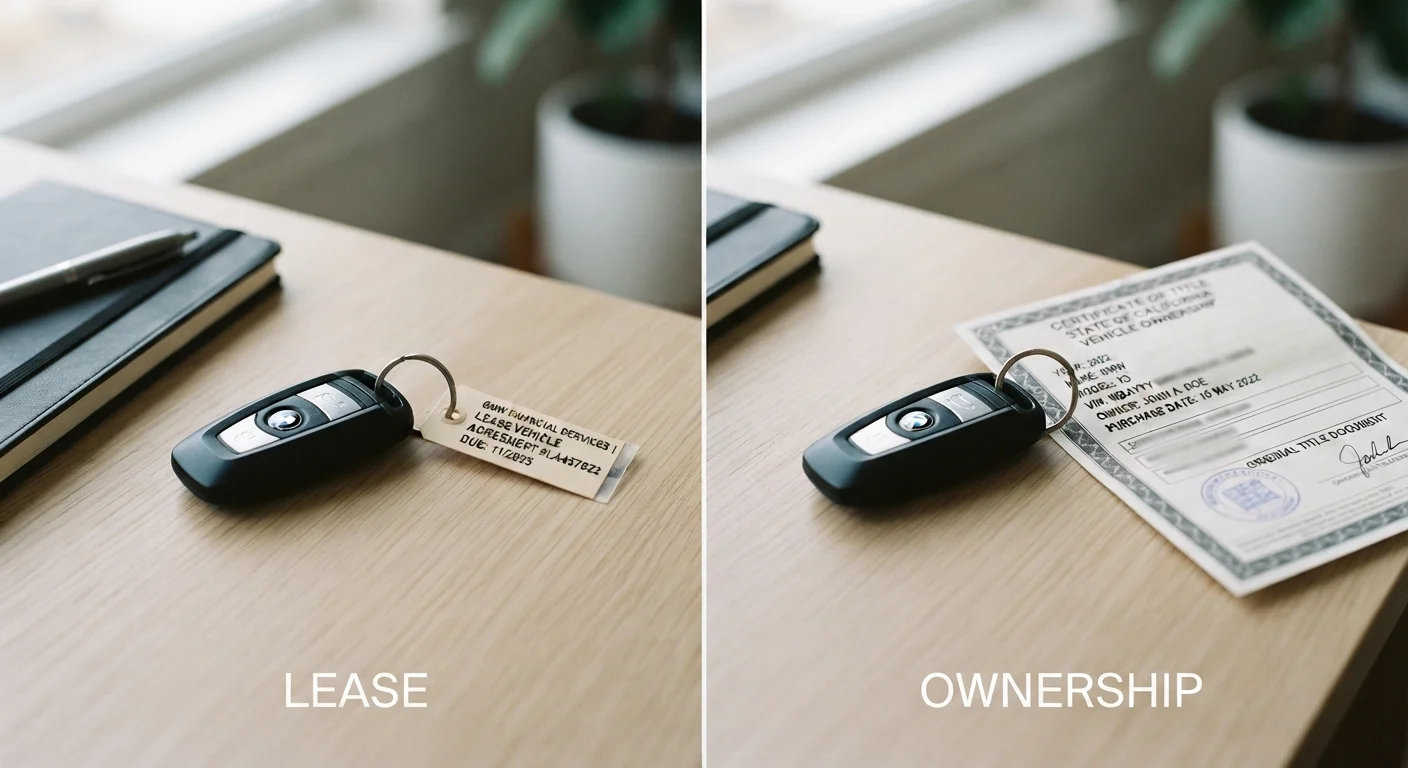
Photo: NemoFinds.com | Search, Explore, Read. editorial
Key Takeaways
- Leasing typically means lower monthly payments but you build no equity in the vehicle.
- Buying costs more upfront and month-to-month but results in outright ownership over time.
- Mileage limits, wear-and-tear fees, and early termination penalties are key lease risks to understand.
- Neither option is universally better - the right choice depends on your driving habits and financial priorities.
- Total cost of ownership over several years often favors buying for long-term drivers.
How Each Agreement Is Structured
When you buy a car - whether with cash or financing - you're acquiring ownership of an asset. If you take out a loan, you're borrowing the vehicle's full purchase price (minus any down payment) and repaying it with interest over a set term. Once the loan is paid, you own the vehicle outright. For a deeper look at how loan terms affect what you'll pay, see our Auto Loans Explained guide.
A lease works differently. You're essentially paying for the vehicle's depreciation during the lease term - typically two to four years - plus fees and finance charges. The leasing company (usually a manufacturer's financial arm or a lender) retains ownership throughout. At the end of the lease, you return the car, buy it at a predetermined residual value, or start a new lease.
This structural difference has cascading effects on monthly payments, flexibility, and long-term cost.
Monthly Payments and Upfront Costs
Lease payments are almost always lower than loan payments on the same vehicle because you're only financing depreciation rather than the full purchase price. For example, if a vehicle depreciates by $10,000 over a three-year lease, your payments cover roughly that amount (plus interest and fees) - not the vehicle's $35,000 sticker price.
However, lower payments don't equal lower total cost. Over a six-year period, a buyer who pays off a five-year loan still owns a vehicle with tangible resale value. A lessee who completes two three-year leases has made payments throughout and owns nothing at the end.
| Leasing | Buying (with loan) | |
|---|---|---|
| Monthly payment | Lower (covers depreciation only) | Higher (covers full vehicle price) |
| Ownership at end of term | None - vehicle is returned | Full ownership once loan is paid |
| Mileage limits | Yes - typically 10,000-15,000/yr | No limits |
| Equity building | No equity built | Equity builds over time |
| Early exit flexibility | Costly - termination fees apply | Can sell or trade at any time |
| Long-term cost (5+ years) | Higher if continually re-leasing | Lower once loan is retired |
| Customization allowed | Restricted - must return as-is | Full freedom as owner |
Upfront costs for leasing typically include a security deposit, the first month's payment, acquisition fees, and taxes - often totaling $2,000-$4,000 at signing, though this varies by agreement. Purchasing a car usually requires a larger down payment to reduce the financed amount and, in turn, monthly payments. Understanding the full cost of owning a car beyond sticker price helps put these upfront figures in perspective.
Mileage, Flexibility, and Hidden Costs
Leases come with annual mileage caps - commonly 10,000 to 15,000 miles per year. Exceeding those limits triggers per-mile overage charges at lease end, which can add hundreds or even thousands of dollars to the final bill. If your commute is long or you take regular road trips, a lease may be structurally mismatched to your lifestyle.
Lease-End Charges Can Surprise You
Leases also limit what you can do to the vehicle. Modifications, certain cosmetic changes, and excessive wear can result in additional charges when you return the car. Ending a lease early is generally costly - early termination fees can be substantial, and the lessee often remains responsible for remaining payments.
Owners face no such constraints once the loan is paid. You can drive as many miles as you like, modify the vehicle (within legal limits), and sell or trade it whenever you choose. That flexibility has real value, particularly for drivers whose needs change unpredictably.
Long-Term Financial Picture
Over time, buying tends to be more cost-effective for drivers who hold onto vehicles. Once a loan is retired, the only ongoing costs are insurance, maintenance, fuel, and registration - there's no payment. Drivers who keep a paid-off vehicle for several years often see the lowest per-year transportation costs of any ownership model. The financial case for holding onto an older car explores this trade-off in detail.
Leasing locks you into a perpetual payment cycle if you always return and re-lease. On the other hand, it can make sense when vehicles are primarily used for business purposes and lease costs may be deductible, or when a driver genuinely values always operating a new, under-warranty vehicle and the payment structure fits their budget.
Run the Numbers for Your Driving Habits
Neither path eliminates all financial risk. Buyers face depreciation - most vehicles lose a significant portion of value in the first few years. Lessees face the risks of overage charges and limited flexibility. If you're considering financing a purchase through a dealership, our comparison of dealer financing vs. bank or credit union lending explains how those options differ. For strategies to control costs whichever route you choose, see keeping ownership costs manageable over a vehicle's life.
This article provides general financial information for educational purposes only and does not constitute personalized financial or legal advice. Consult a qualified financial adviser before making decisions based on your individual circumstances.
The content on this site is for informational purposes only and is not a substitute for professional advice. Always consult a qualified professional for guidance specific to your situation.