
Car Maintenance for First-Time Owners

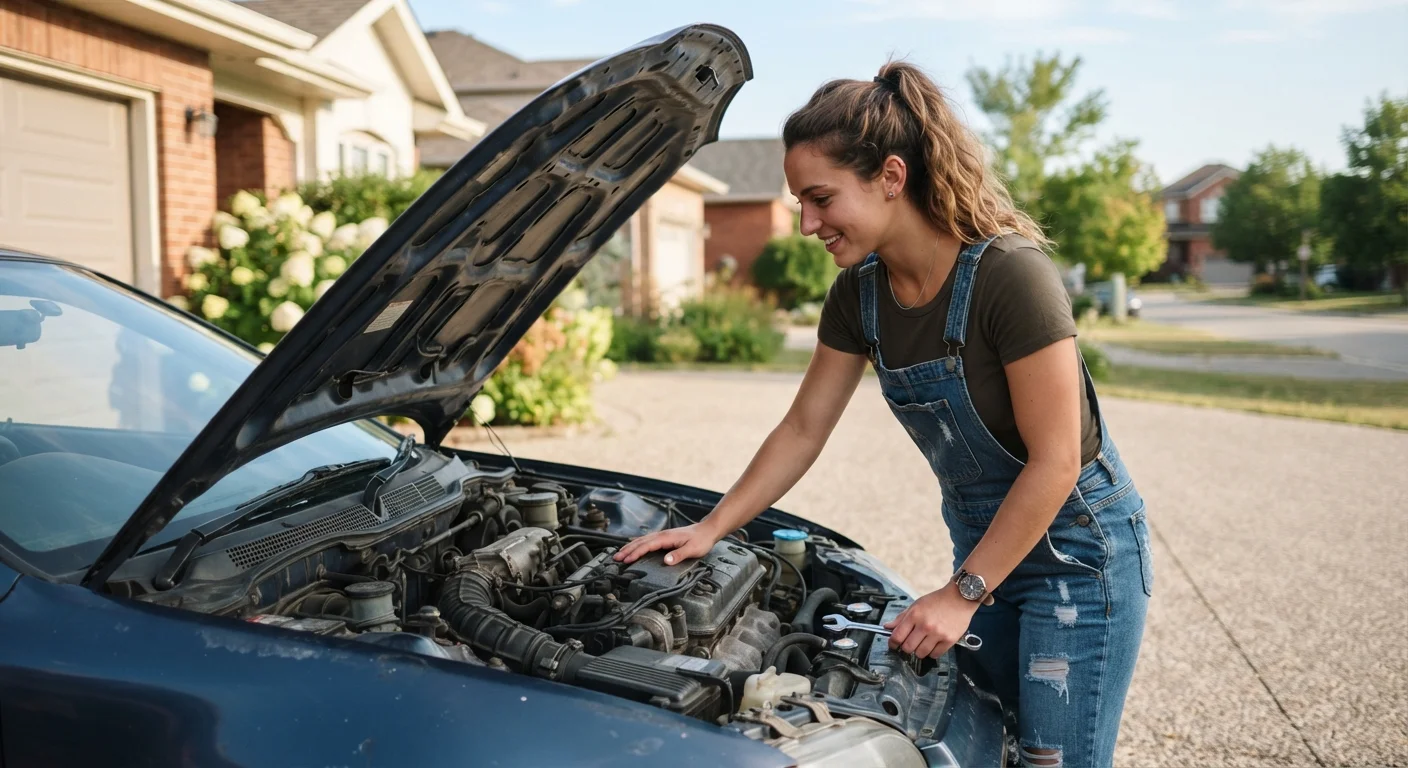
Photo: NemoFinds.com | Search, Explore, Read. editorial
Key Takeaways
- Regular fluid checks are among the simplest ways to prevent expensive engine damage.
- Tire pressure and tread depth affect both safety and fuel economy - check them monthly.
- Your owner's manual is the most reliable source for your car's specific maintenance intervals.
- Many basic checks take minutes and require no tools or mechanical experience.
- Catching small problems early almost always costs less than addressing major failures later.
Why Maintenance Matters From Day One
Owning a car comes with a new set of responsibilities that begin the moment you drive off the lot. Beyond insurance and registration - covered in detail in our guide on everything first-time owners need to know - routine maintenance is the single most powerful thing you can do to protect your investment.
Vehicles are made up of interconnected systems. When one component degrades without attention, it places stress on others. A simple habit like checking your oil regularly can prevent engine wear that might otherwise require repairs costing thousands of dollars. Maintenance also plays a direct role in safety: worn tires and failing brakes are leading contributors to preventable accidents.
Use Your Owner's Manual as Your Guide
The good news is that most fundamental maintenance tasks are straightforward once you know what to look for. This guide walks you through the essentials.
The Fluids You Need to Know
Your car relies on several fluids to operate safely and efficiently. Checking these regularly - most take under five minutes - is one of the most accessible forms of maintenance for any first-time owner.
Owner's Manual
The booklet (or digital document) provided with your vehicle that contains manufacturer-specific guidance on maintenance intervals, fluid types, tire pressure, and more. It is the most authoritative reference for your specific car.
PSI
Pounds per square inch - the unit used to measure tire air pressure. Keeping tires inflated to the recommended PSI improves safety, handling, and fuel economy.
Dipstick
A long, thin metal rod in the engine that you pull out, wipe clean, reinsert, and remove again to read the current engine oil level against marked indicators.
Tread Depth
The measurement of the grooves on a tire's surface. Adequate tread depth helps tires grip the road, especially in wet conditions. Worn tread significantly increases stopping distance.
Coolant
A liquid mixture (also called antifreeze) that circulates through the engine to regulate temperature, preventing both overheating in summer and freezing in winter.
Service Interval
A specific mileage or time point at which a maintenance task - such as an oil change or filter replacement - is recommended by the vehicle manufacturer.
- Engine oil lubricates moving parts and reduces heat. Check the level monthly using the dipstick, and follow your owner's manual for the recommended change interval.
- Coolant (antifreeze) keeps the engine from overheating or freezing. Check the reservoir level when the engine is cold - never open the radiator cap on a hot engine.
- Brake fluid transmits pressure through the braking system. It's housed in a small reservoir under the hood; the level should fall within the marked min/max range.
- Power steering fluid (on vehicles without electric steering) helps control effort when turning. Low levels can cause stiff or noisy steering.
- Windshield washer fluid is the one you can top off with no mechanical concern - just don't substitute water in freezing climates.
When in doubt about fluid types or top-off procedures, refer to your owner's manual rather than guessing. Using the wrong fluid can cause serious damage.
Tires, Brakes, and Filters
Three areas beyond fluids deserve regular attention from every car owner.
Tires
Tires are your car's only contact with the road, making their condition critical to both safety and fuel efficiency. Check pressure monthly - the correct PSI (pounds per square inch) is listed in your owner's manual and on a sticker inside the driver's door jamb, not on the tire sidewall. Also inspect tread depth: insert a penny into the tread groove with Lincoln's head facing down - if you can see the top of his head, the tread is too worn for safe driving.
Brakes
Brake pads wear down gradually and need periodic inspection. Listen for squealing or grinding noises when stopping, and pay attention to whether the brake pedal feels unusually soft or requires more pressure than usual. These are signs worth having a qualified mechanic evaluate promptly. Brake service is a safety-critical task and generally should not be attempted without proper training and equipment.
Air Filter
A clogged engine air filter restricts airflow and can reduce fuel economy and engine performance. Most owner's manuals recommend replacing it every 15,000 to 30,000 miles, though dusty driving conditions may require more frequent changes. This is one of the simpler DIY tasks for many vehicles.
Never Ignore Warning Lights
Following Your Maintenance Schedule
Every vehicle comes with a manufacturer-recommended maintenance schedule, and following it is the backbone of responsible car ownership. This schedule outlines service tasks - oil changes, tire rotations, spark plug replacements, belt inspections, and more - organized by mileage or time intervals, whichever comes first.
For a full breakdown of what these intervals mean and how to track them, see our dedicated article on your car's maintenance schedule, explained. Many newer vehicles include an onboard service reminder system that alerts you when a task is due, but understanding the underlying schedule helps you stay ahead of issues rather than react to warnings.
Keeping records of completed maintenance - either in a notebook or a simple app - is also useful. It helps you track what's been done, identify patterns (like a fluid that keeps running low), and demonstrates care if you ever sell the vehicle. Good maintenance habits also connect to keeping ownership costs manageable over the long term.
When to DIY and When to See a Mechanic
Some maintenance tasks are genuinely accessible to owners with no mechanical background - checking fluids, replacing a cabin air filter, or topping off windshield washer fluid. Others involve safety-critical systems, specialized tools, or significant technical knowledge and should be handled by a trained mechanic.
Our guide on DIY maintenance vs. taking your car to a shop walks through how to assess which tasks fall into which category. As a general rule: if a job involves the braking system, suspension, electrical systems, or anything you're unsure about, getting a professional opinion first is a sound approach. The cost of a diagnostic visit is almost always less than the cost of a repair made worse by an incorrect attempt.
Finding a trustworthy mechanic before you urgently need one is also worthwhile. Ask for referrals from friends or family, look for shops that employ certified technicians, and don't hesitate to ask questions - a good shop will explain what's needed and why.
This article provides general educational information about vehicle maintenance. It is not a substitute for professional mechanical advice. Always consult a qualified mechanic for diagnosis, repairs, or any task you are unsure how to perform safely.
Frequently Asked Questions
The content on this site is for informational purposes only and is not a substitute for professional advice. Always consult a qualified professional for guidance specific to your situation.