
DIY Maintenance vs. Taking Your Car to a Shop

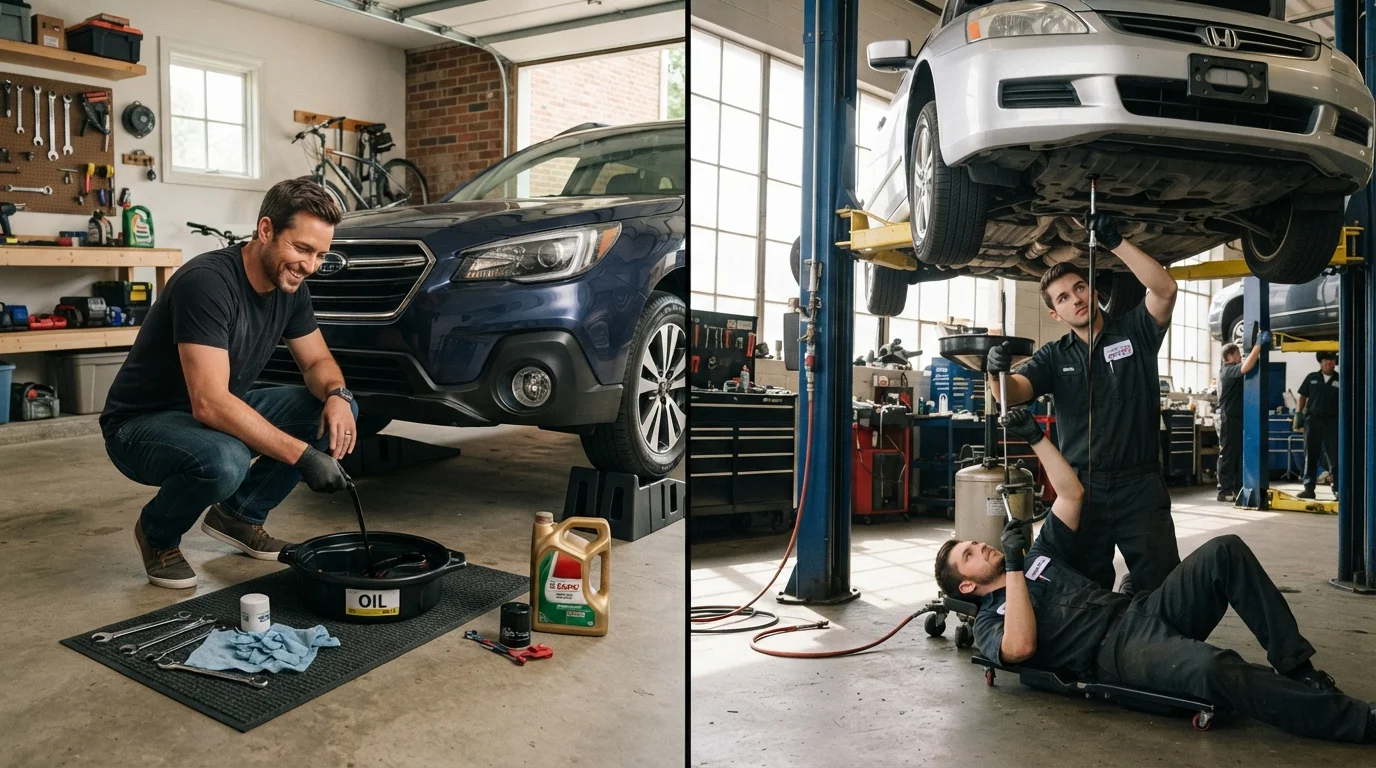
Photo: NemoFinds.com | Search, Explore, Read. editorial
Key Takeaways
- Simple tasks like oil changes, air filter swaps, and wiper replacements are manageable for most drivers with basic tools.
- Complex repairs involving brakes, suspension, or electrical systems generally require professional training and diagnostic equipment.
- DIY maintenance can reduce costs, but mistakes on critical systems may create safety risks or more expensive damage.
- Your vehicle's owner manual and maintenance schedule are the most reliable guides for what needs doing and when.
- Warranty and safety considerations can make shop visits necessary even when a job seems straightforward.
Why the DIY vs. Shop Question Matters
Every car owner eventually faces the choice: handle a maintenance task at home or book time with a mechanic. Get it right, and you save money while keeping your vehicle in good shape. Get it wrong - especially on a safety-critical system - and you could face a larger repair bill or, more seriously, a dangerous situation on the road.
The answer isn't always one or the other. Most drivers benefit from a mixed approach: handling routine, low-stakes jobs independently while leaving complex or high-risk work to trained professionals. The key is knowing how to draw that line. See our maintenance schedule guide for a clear breakdown of what your vehicle actually needs and when.
Tasks Most Drivers Can Handle at Home
Several routine maintenance items are well within reach for a careful, patient driver - even without formal mechanical training. These jobs typically require affordable tools, carry a low risk of serious error, and are well-documented in most owner manuals.
- Engine air filter replacement: Usually a matter of unclipping a housing, swapping the filter, and snapping it back. No special tools needed.
- Windshield wiper blades: Most blades clip on and off in minutes. The packaging often includes vehicle-specific instructions.
- Cabin air filter: Typically located behind the glove box; replacement involves no mechanical skill.
- Oil and filter changes: Manageable with a few basic tools and proper disposal of used oil. Consult your owner manual for the correct oil grade and capacity.
- Tire pressure checks and top-ups: Requires only a gauge and access to an air source. Correct inflation affects fuel economy, handling, and tire life.
- Checking and topping off fluids: Coolant, windshield washer fluid, and brake fluid reservoirs are generally clearly marked and accessible.
Start Simple and Build Confidence
If you're new to car ownership, this first-time owner guide walks through each of these basics in plain language.
When a Professional Shop Is the Right Call
Some jobs are outside the safe reach of most home mechanics - not because of complexity alone, but because mistakes can compromise your safety or your car's reliability in ways that aren't immediately obvious.
- Brake system work: Pad replacement can be straightforward, but rotor condition, caliper function, and brake line integrity require proper assessment. A brake failure is not a recoverable mistake.
- Suspension and steering components: Incorrect installation affects handling and can make a vehicle unpredictable at speed.
- Transmission service: Internal transmission work requires specialized tools and expertise beyond typical DIY scope.
- Electrical diagnosis: Modern vehicles rely on interconnected systems that require dedicated scan tools and software to diagnose accurately.
- Timing belt or chain service: Incorrect timing causes severe engine damage. This job demands precision and experience.
- Airbag and safety system repairs: These systems involve explosive components. Improper handling creates serious injury risk.
Don't Underestimate Safety-Critical Systems
Skipping or improperly completing safety-related maintenance doesn't just affect performance - it creates compounding risks. Learn how neglected maintenance adds up over time.
Comparing the Two Approaches
Neither approach is universally superior. Your decision should weigh the specific task, your skill level, available tools, and the consequences of an error.
| DIY Maintenance | Professional Shop | |
|---|---|---|
| Typical cost | Parts cost only | Parts plus labor charges |
| Skill requirement | Low to moderate for routine tasks | Trained for full range of repairs |
| Tools needed | Basic hand tools often sufficient | Specialized diagnostic equipment available |
| Safety risk (if done wrong) | Low for simple tasks; high for safety systems | Mitigated by training and accountability |
| Warranty compatibility | May affect coverage on newer vehicles | Preserves warranty with proper documentation |
| Best suited for | Filters, fluids, wipers, tire pressure | Brakes, suspension, electrical, transmission |
Beyond the table, consider warranty implications. Many new and certified pre-owned vehicles require service to be performed or documented by a qualified shop to maintain coverage. Review your warranty terms before doing work yourself on a newer vehicle.
Cost savings from DIY are real but uneven. Labor on simple tasks (air filters, wipers) represents most of the service center charge, so savings are significant. On complex jobs, the risk of a costly mistake can outweigh any potential savings. For tips on making every shop visit count, see how to get the most from every service appointment.
Building a Practical Maintenance Strategy
The most cost-effective approach for most drivers combines both options deliberately. Start by reviewing your owner manual - it specifies exactly which services are needed and at what intervals. Tasks flagged as routine inspection items are often good DIY candidates; anything requiring calibration, special tools, or safety certification points to a shop.
Keeping a simple log of what you've done yourself and what a shop has serviced helps you stay on schedule and provides documentation if warranty questions arise. It also makes managing ownership costs over the long term considerably more straightforward.
When in doubt about a task, the conservative choice - consulting or using a mechanic - is rarely the wrong one. A short diagnostic appointment can clarify whether a job is within your skill range before you commit to it.
This article provides general automotive information for educational purposes. For repairs affecting vehicle safety, always consult a qualified, licensed mechanic. Follow all manufacturer guidelines and local regulations when performing any vehicle maintenance.
The content on this site is for informational purposes only and is not a substitute for professional advice. Always consult a qualified professional for guidance specific to your situation.