
Getting the Most from Every Service Appointment

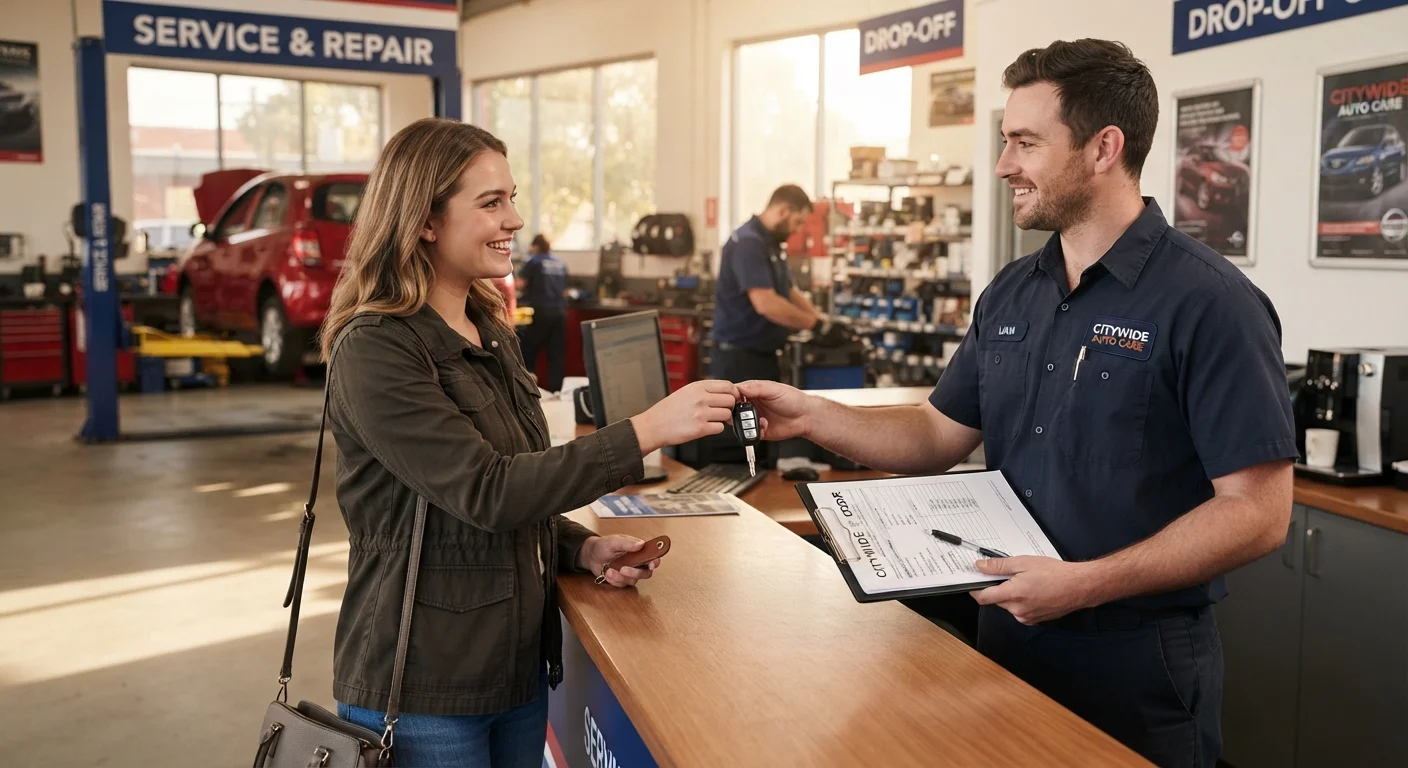
Photo: NemoFinds.com | Search, Explore, Read. editorial
Key Takeaways
- Bringing your maintenance records helps mechanics diagnose issues faster and more accurately.
- Writing down symptoms and questions before your appointment prevents important details from being forgotten.
- Reviewing the completed work order and asking for replaced parts back ensures transparency.
- Following up on deferred repairs and tracking service costs helps manage long-term ownership expenses.
Why Preparation Changes the Outcome
Most drivers hand over their keys and wait, leaving the entire diagnostic process to the mechanic with little context to work from. That approach often leads to longer inspection times, miscommunication about symptoms, and the occasional charge for work that may not have been the priority. Arriving prepared shifts the dynamic - you become an active participant rather than a passive customer.
The practices below are drawn from widely recommended automotive service guidance. Together, they help you get accurate work done efficiently, avoid unnecessary expenses, and build a service history that protects your vehicle's long-term value. For a deeper look at why documentation matters, see our guide to keeping a car maintenance log.
Bring your maintenance records to every service appointment.
Write down all symptoms and questions before you arrive.
Request a written estimate before any work begins.
Review the completed work order carefully before you leave.
Ask for replaced parts back when significant components are swapped.
Track deferred repairs and schedule them promptly.
During and After the Appointment
Your job does not end when you drop off the keys. Clear communication during the appointment - and a careful review at pickup - closes the loop on each visit and prevents issues from slipping through.
Photograph Your Dashboard Before You Go
When you pick up your vehicle, compare the final invoice line by line against the estimate you approved. Confirm that all requested work appears completed and that no additional charges were added without your authorization. If anything is unclear, ask the service advisor to walk you through it before you pay.
Service Intervals Vary by Vehicle
Record the mileage, date, shop name, and every service performed as soon as you get home. This habit takes two minutes and pays dividends at every future appointment - and when it comes time to sell or trade the vehicle.
Start Strong at Your Next Visit
You do not need to overhaul your habits all at once. A few targeted actions before your next appointment will immediately improve the quality of service you receive.
Consistent, well-documented service visits are one of the most reliable ways to extend vehicle life and avoid surprise repair bills. For practical strategies on managing the full cost of vehicle ownership over time, see our article on keeping ownership costs manageable.
~$1,200
Average annual vehicle maintenance and repair cost per U.S. driver
According to AAA research, U.S. drivers pay an average of roughly $1,200 per year in vehicle maintenance and repair costs, underscoring why every service visit should be used efficiently.
40%
Breakdowns linked to neglected scheduled maintenance
Industry estimates suggest that a significant share of roadside breakdowns are connected to maintenance that was overdue or skipped - reinforcing the value of staying on schedule.
This article is for general informational purposes only. Always consult a qualified, licensed mechanic or automotive professional for guidance specific to your vehicle and situation.
The content on this site is for informational purposes only and is not a substitute for professional advice. Always consult a qualified professional for guidance specific to your situation.