
Seasonal Car Maintenance: Preparing for Winter and Summer Driving

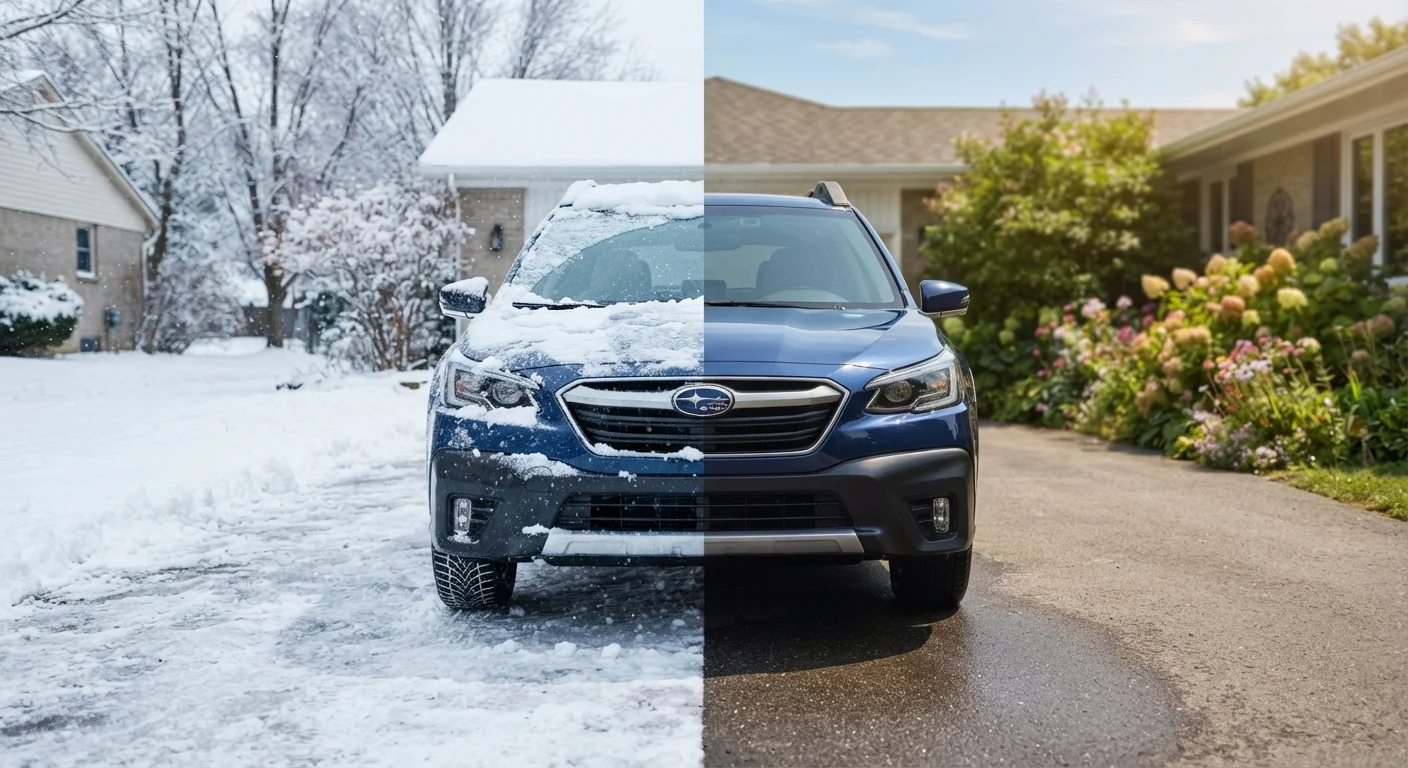
Photo: NemoFinds.com | Search, Explore, Read. editorial
Key Takeaways
- Battery performance drops significantly in cold weather - test yours before winter arrives.
- Engine coolant protects against both freezing and overheating depending on its concentration.
- Tire pressure changes roughly 1 PSI for every 10°F shift in temperature.
- Summer heat accelerates fluid degradation; check levels more frequently in hot climates.
- Brake, wiper, and lighting systems need seasonal attention to keep you safe year-round.
Why Seasonal Maintenance Matters
Your car doesn't experience temperature changes the way you do - it endures them mechanically. A battery that starts your car effortlessly in September may struggle to turn over in January. Rubber hoses that seal tight in mild weather can crack under summer heat stress. These aren't hypothetical risks; they're predictable failure patterns that routine seasonal checks help you stay ahead of.
Proactive maintenance also makes financial sense. Catching a degraded coolant hose or a weak battery before it fails costs a fraction of what a roadside breakdown or engine damage will. For a broader look at ownership responsibilities throughout the year, see our annual vehicle ownership checklist.
This guide organises the most important seasonal checks into two focused groups - one for winter preparation, one for summer - so you can work through them efficiently before conditions change.
Battery tester / multimeter
Measures battery voltage and cold-cranking amp performance to determine whether replacement is needed before winter.
Tire pressure gauge
Gives an accurate PSI reading to keep tires properly inflated as temperatures shift each season.
Antifreeze / coolant tester
Tests the freeze and boil-over protection level of your engine coolant to confirm it is within safe range.
Tread-depth gauge
Measures remaining tire tread to determine whether tires are safe for winter ice or summer highway driving.
Flashlight or work light
Allows thorough visual inspection of hoses, belts, and undercarriage components in low-light conditions.
Before Winter: Cold-Weather Checks
Cold temperatures strain your battery, thicken your fluids, reduce tire pressure, and reduce visibility. Run through these checks in early autumn, before the first hard freeze.
Winter - Battery & Electrical
Winter - Tires & Brakes
Winter - Fluids & Visibility
Summer - Cooling System
Summer - Tires & Brakes
Summer - Additional Systems
Don't Skip the Battery Test
Once winter arrives, the conditions themselves demand adjusted driving behaviour. Our guide on driving in bad weather without panicking covers the in-the-moment techniques that complement these mechanical preparations.
Before Summer: Heat-Weather Checks
High temperatures accelerate fluid breakdown, increase the risk of tire blowouts from overinflation and road heat, and push cooling systems to their limits. These checks are most effective in late spring before sustained hot weather sets in.
Overheating Can Cause Serious Engine Damage
Keeping fluids topped up and at the right condition is central to summer readiness. Our companion article on checking your vehicle's fluid levels walks through each reservoir step by step. Before any long summer road trip, also run through the pre-trip safety walkthrough to confirm lights, mirrors, and tires are road-ready.
This article provides general vehicle maintenance information for educational purposes. Always consult your owner's manual and a qualified mechanic for guidance specific to your vehicle's make, model, and condition.
The content on this site is for informational purposes only and is not a substitute for professional advice. Always consult a qualified professional for guidance specific to your situation.