
Your Pre-Trip Safety Walkthrough

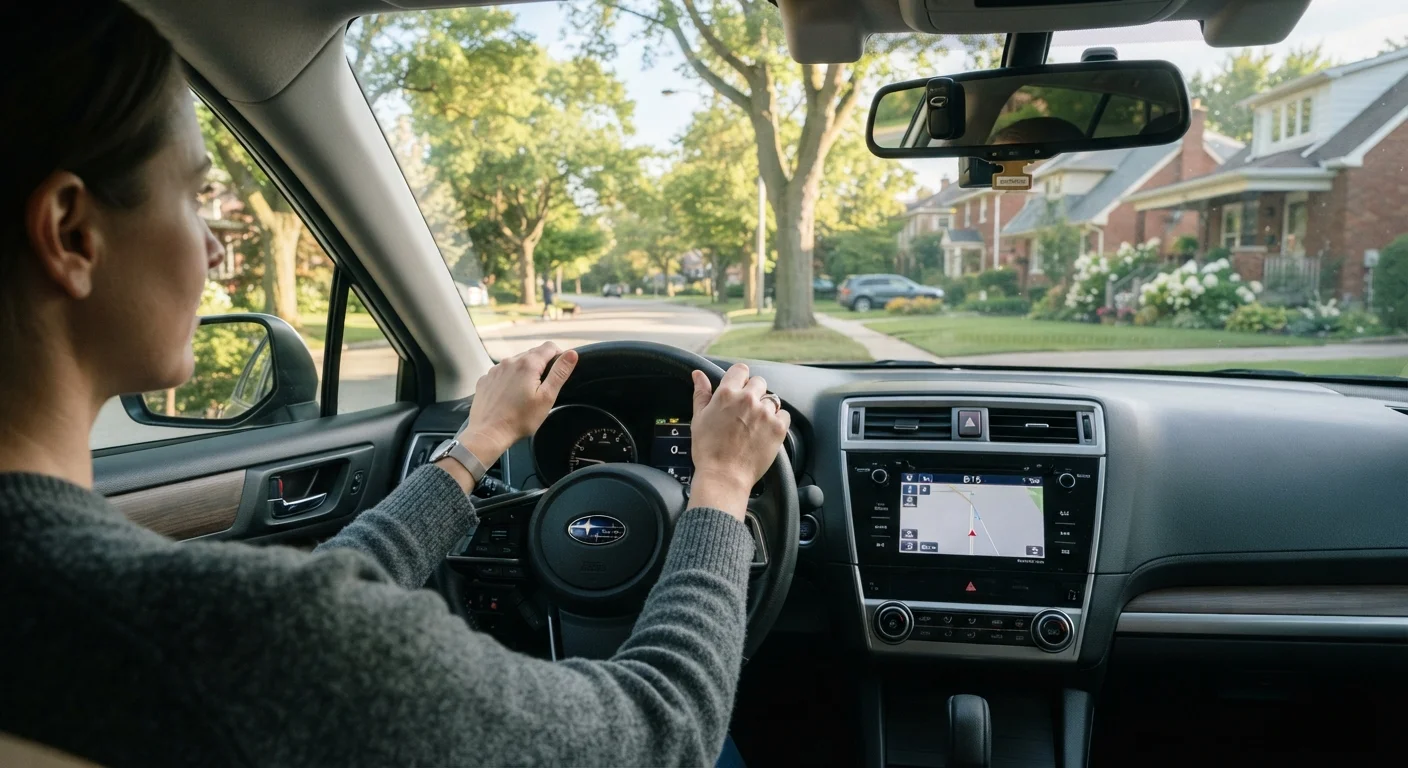
Photo: NemoFinds.com | Search, Explore, Read. editorial
Key Takeaways
- A pre-trip walkthrough takes under 15 minutes and addresses the most common causes of preventable accidents.
- Tires, lights, mirrors, and fluid levels are the four areas most likely to cause trouble if overlooked.
- Dashboard warning lights should always be identified before you drive — never ignored.
- Adjusting mirrors and seat position before moving reduces blind-spot risk significantly.
- Bad weather or night driving calls for extra checks beyond this standard walkthrough.
Why a Pre-Trip Walkthrough Matters
Most vehicle incidents don't begin on the highway — they begin in the driveway, with something a driver didn't check. A flat tire that was already low, a burned-out brake light, a windshield washer reservoir bone dry on a slushy day. These aren't dramatic failures; they're overlooked details that compound into real hazards at the worst possible moment.
A structured pre-trip walkthrough takes five to fifteen minutes and covers the most common mechanical and visibility issues that lead to accidents, breakdowns, or failed inspections. Think of it as a brief investment that pays off every single time you pull out of the driveway safely.
If you're newer to driving or building good habits from the start, this routine pairs well with our first-timer's guide to safe driving, which covers foundational road rules and vehicle control basics. For drivers heading into rain, fog, or ice, our bad-weather driving guide has additional checks specific to rough conditions.
Exterior Inspection
Under the Hood
Interior and Controls
Pre-Departure Readiness
Tools You'll Need
You don't need a garage full of equipment to run through this checklist. Most items require nothing more than your eyes and a few minutes of attention. A handful of inexpensive tools make the process more accurate and help you catch problems before they worsen.
Tire Pressure Gauge
Measures exact tire PSI so you can compare against the manufacturer's recommended level on the door jamb sticker.
Tread Depth Gauge
Provides an accurate reading of remaining tire tread to determine if replacement is needed — more precise than the penny test alone.
Flashlight or Headlamp
Allows you to inspect under the hood, around tires, and check lights in low-light conditions such as early morning or evening departures.
Windshield Washer Fluid (spare bottle)
Lets you top off the reservoir quickly without a separate store trip, particularly useful before highway or winter driving.
Owner's Manual
Contains manufacturer-recommended fluid specs, tire pressure ranges, and guidance for interpreting dashboard warning lights specific to your vehicle.
Once you have these basics on hand, store them in your vehicle or keep them near where you park. Consistency is the point — a walkthrough you can actually do every time is more valuable than a thorough one you skip because it feels like too much effort.
Completing the Walkthrough: What to Do When You Spot a Problem
Running through the checklist is only half the job. Knowing what to do with what you find is equally important.
For tire pressure and fluid levels, address low readings before driving whenever possible. Driving on significantly underinflated tires increases blowout risk and reduces fuel efficiency. Low coolant or brake fluid may indicate a leak — worth a mechanic's look before a long trip.
Never Drive With an Unknown Warning Light Lit
For warning lights, don't assume they're minor. A lit check engine light may indicate something manageable or something serious — you won't know without a diagnostic scan. Learn what your dashboard warning lights actually mean before you assume it's safe to keep driving.
If you're preparing for a night drive, add a quick check of your headlights, high beams, and interior lighting. Night driving introduces hazards most drivers underestimate — proper lighting is your first line of defense.
Keeping up with this routine also supports longer-term vehicle health. The year-round vehicle ownership checklist helps you track scheduled maintenance, registration, and insurance deadlines so your car is always ready to pass a pre-trip check.
Don't Skip the Walkthrough on Familiar Routes
Cold Weather Changes Everything Under the Hood
The content on this site is for informational purposes only and is not a substitute for professional advice. Always consult a qualified professional for guidance specific to your situation.