
Skipping Routine Maintenance: What Actually Goes Wrong

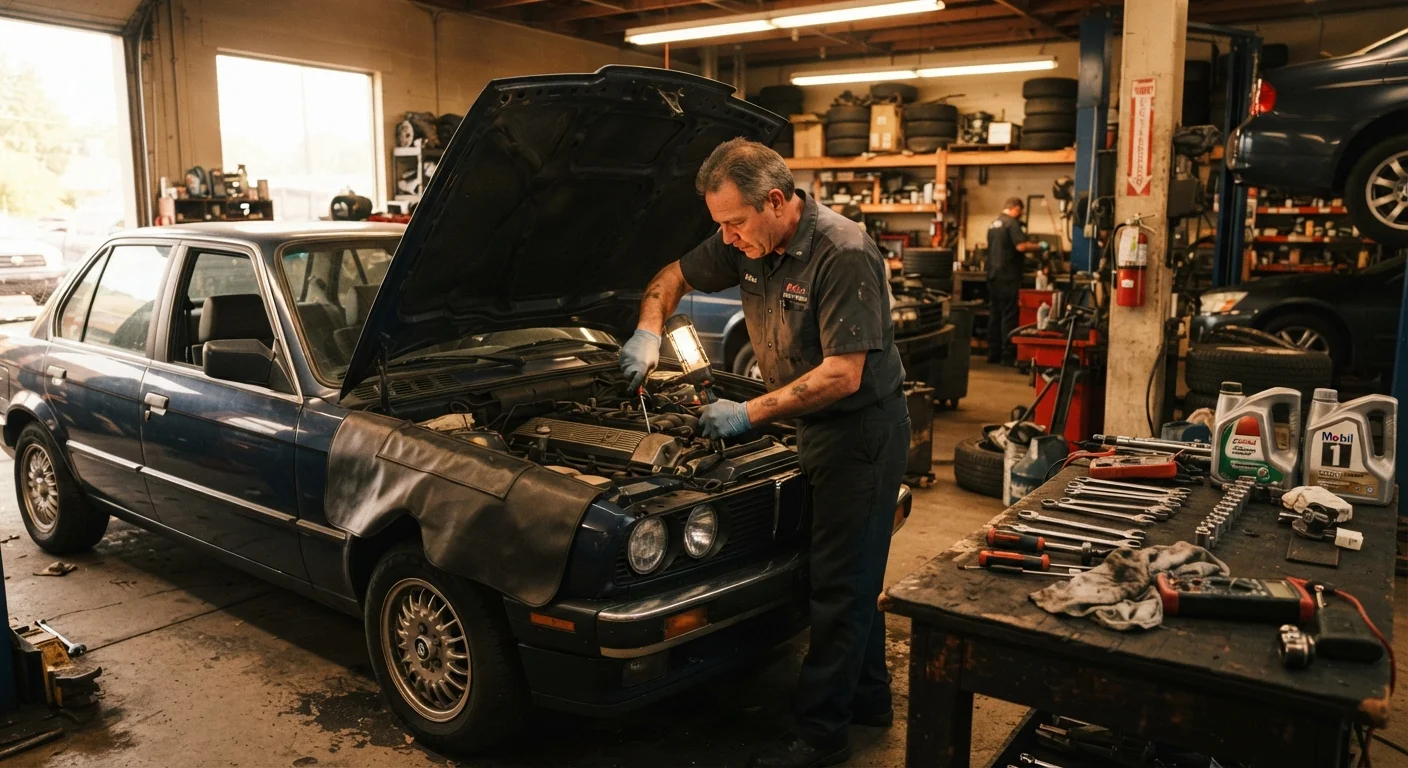
Photo: NemoFinds.com | Search, Explore, Read. editorial
Key Takeaways
- Skipping oil changes is one of the fastest ways to cause permanent, costly engine damage.
- Neglected tires create compounding safety risks including blowouts and reduced braking performance.
- Most deferred maintenance costs far more to fix than the original service would have.
- A consistent maintenance schedule protects both vehicle longevity and your household budget.
Why Drivers Skip Maintenance - and Why It Matters
Most drivers know routine maintenance matters. Yet oil changes get postponed, tire rotations get skipped, and brake inspections are pushed back another few thousand miles. The reasons are familiar: busy schedules, tight budgets, or simply assuming the car is running fine so it must be fine.
The problem is that vehicle systems degrade gradually and quietly. By the time a warning light appears or a noise becomes impossible to ignore, the damage is often already compounding. Understanding exactly what goes wrong - and how quickly - gives drivers a more honest picture of the real cost of delay.
For a comprehensive view of what responsible ownership looks like throughout the year, see our year-round vehicle ownership checklist.
Delaying oil changes beyond the manufacturer's recommended interval.
Ignoring tire pressure and rotation schedules.
Waiting until brakes squeal loudly before having them inspected.
Neglecting coolant flushes and fluid checks.
Skipping air filter replacements until engine performance visibly drops.
The Compounding Cost of Deferred Maintenance
Vehicle maintenance doesn't exist in isolation - systems are interconnected. Dirty coolant stresses the water pump. Worn spark plugs force the ignition system to work harder. An ignored cabin air filter reduces HVAC efficiency and accelerates blower motor wear. Each skipped service creates conditions that accelerate wear elsewhere.
$1,200+
Average unplanned repair cost per vehicle annually
AAA research has consistently found that drivers who defer maintenance face average unplanned repair bills well exceeding those who maintain their vehicles on schedule.
25%
Fuel efficiency loss from under-inflated tires
The U.S. Department of Energy estimates that tires underinflated by just 1 PSI per tire can reduce fuel economy by approximately 0.2%, with cumulative losses reaching notable levels across all four tires.
This compounding effect is why automotive professionals consistently point out that preventive maintenance is far less expensive than repair maintenance. A brake pad replacement is a fraction of the cost of replacing rotors and calipers. An oil change costs far less than an engine rebuild. The math is not complicated - it's just easy to ignore when the car is still running.
Keeping ownership costs manageable over the long haul requires building maintenance into your regular budget rather than treating it as a surprise expense. Our guide on keeping vehicle ownership costs manageable offers practical approaches for doing exactly that.
If you're weighing which jobs you can handle yourself versus which require a shop visit, DIY maintenance vs. taking your car to a shop breaks down the key considerations.
Don't Rely Solely on Warning Lights
The content on this site is for informational purposes only and is not a substitute for professional advice. Always consult a qualified professional for guidance specific to your situation.