
Night Driving: Why Darkness Changes Everything

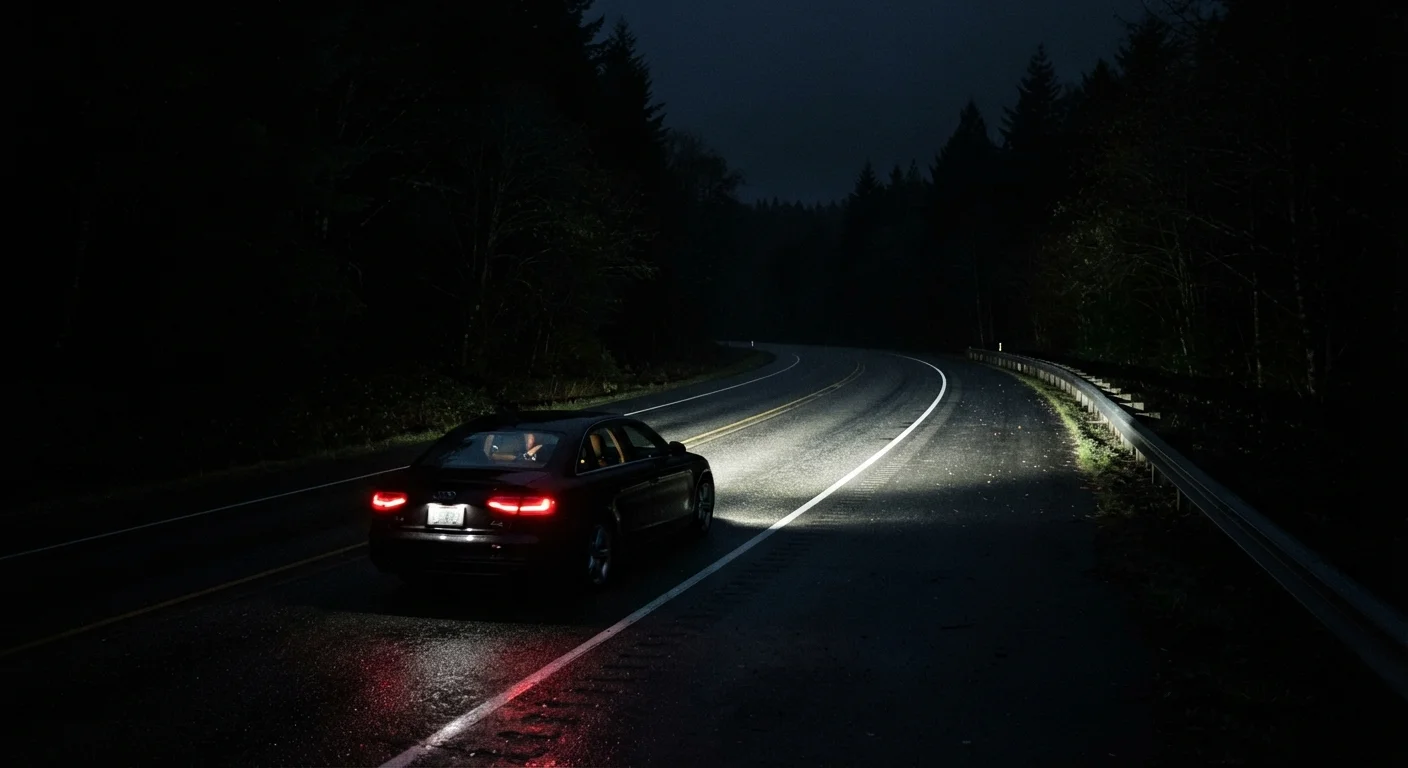
Photo: NemoFinds.com | Search, Explore, Read. editorial
Key Takeaways
- Depth perception, peripheral vision, and color recognition all decline significantly in low-light conditions.
- Fatigue peaks in the late evening and early morning hours, compounding the dangers of darkness.
- Properly aimed, clean headlights are one of the most impactful safety tools for nighttime driving.
- Increasing following distance and reducing speed gives you more time to react to hazards you see later.
- Glare from oncoming headlights can cause temporary vision impairment lasting several seconds.
How Darkness Compromises Your Driving
Driving at night isn't simply driving with the lights on. The human eye is not well-adapted to low-light conditions while also processing fast-moving visual information. According to the National Safety Council, traffic fatality rates are roughly three times higher at night than during the day — despite significantly fewer vehicles on the road.
Several biological factors converge to make nighttime more dangerous. Depth perception weakens, making it harder to judge the distance and speed of approaching vehicles or obstacles. Peripheral vision narrows in darkness, reducing your ability to detect movement at the edges of your field of view. Color recognition also diminishes, which affects your ability to distinguish traffic signals and road markings at a glance.
These aren't driver failures — they're physiological realities every driver should understand and plan around. The good news is that deliberate habits can meaningfully reduce the added risk.
3×
Nighttime traffic fatality rate vs. daytime
According to the National Safety Council, fatal crash rates per mile driven are approximately three times higher at night despite lower traffic volume.
up to 80%
Headlight output lost to yellowed lenses
The AAA Foundation for Traffic Safety has found that heavily oxidized headlight covers can reduce forward illumination by up to 80 percent.
Core Practices for Safer Night Driving
The following habits are grounded in established road safety guidance. Applying them consistently — not just on unfamiliar roads or bad weather nights — is what separates reactive driving from truly defensive driving.
Reduce your speed to match your actual stopping distance within headlight range.
Increase your following distance to at least four seconds behind the vehicle ahead.
Use high beams appropriately and dim them promptly for oncoming traffic.
Avoid looking directly at oncoming headlights — shift your gaze to the right edge of your lane.
Dim your dashboard and interior lights to reduce windshield reflection.
For a broader look at the habits that keep drivers safe over time, see safe driving habits that experienced drivers often drop.
Fatigue: The Hidden Nighttime Multiplier
Darkness and drowsiness feed each other. The body's circadian rhythm naturally promotes sleepiness after midnight and again in the early afternoon. When you're driving late at night or into the early morning hours, fatigue can impair reaction time to a degree comparable to alcohol impairment — even if you feel only mildly tired.
Schedule Long Night Drives Strategically
Warning signs include difficulty keeping your eyes focused, drifting between lanes, missing exits you know well, and nodding off momentarily — sometimes called microsleep. If any of these occur, pull off at the next safe, well-lit location and rest before continuing.
Planning ahead is more effective than willpower. Driver fatigue and the illusion of 'just a few more miles' explains why drivers consistently underestimate how impaired they already are.
Before You Leave: A Night-Specific Pre-Trip Check
Daytime driving masks many vehicle deficiencies that become serious at night. A burned-out headlight that you barely notice during the day can leave you nearly blind on an unlit rural road after dark. Before any significant nighttime drive, add these checks to your routine.
Clean headlight lenses matter more than most drivers realize. Yellowed or fogged plastic covers can reduce light output by up to 80%, according to the AAA Foundation for Traffic Safety. Keeping them clear — whether through professional restoration or appropriate cleaning — directly affects how far ahead you can see.
For a complete pre-departure checklist covering lights, mirrors, tires, and more, see the pre-trip safety walkthrough. Also make sure no dashboard warning lights are active before departure — the guide to dashboard warning lights can help you interpret anything that's lit up.
High Beams and Adverse Weather Don't Mix
This article provides general road safety information for educational purposes. Always follow your state's traffic laws and consult a qualified mechanic for vehicle maintenance questions.
The content on this site is for informational purposes only and is not a substitute for professional advice. Always consult a qualified professional for guidance specific to your situation.