
Road Rage Is a Safety Issue, Not Just a Bad Mood

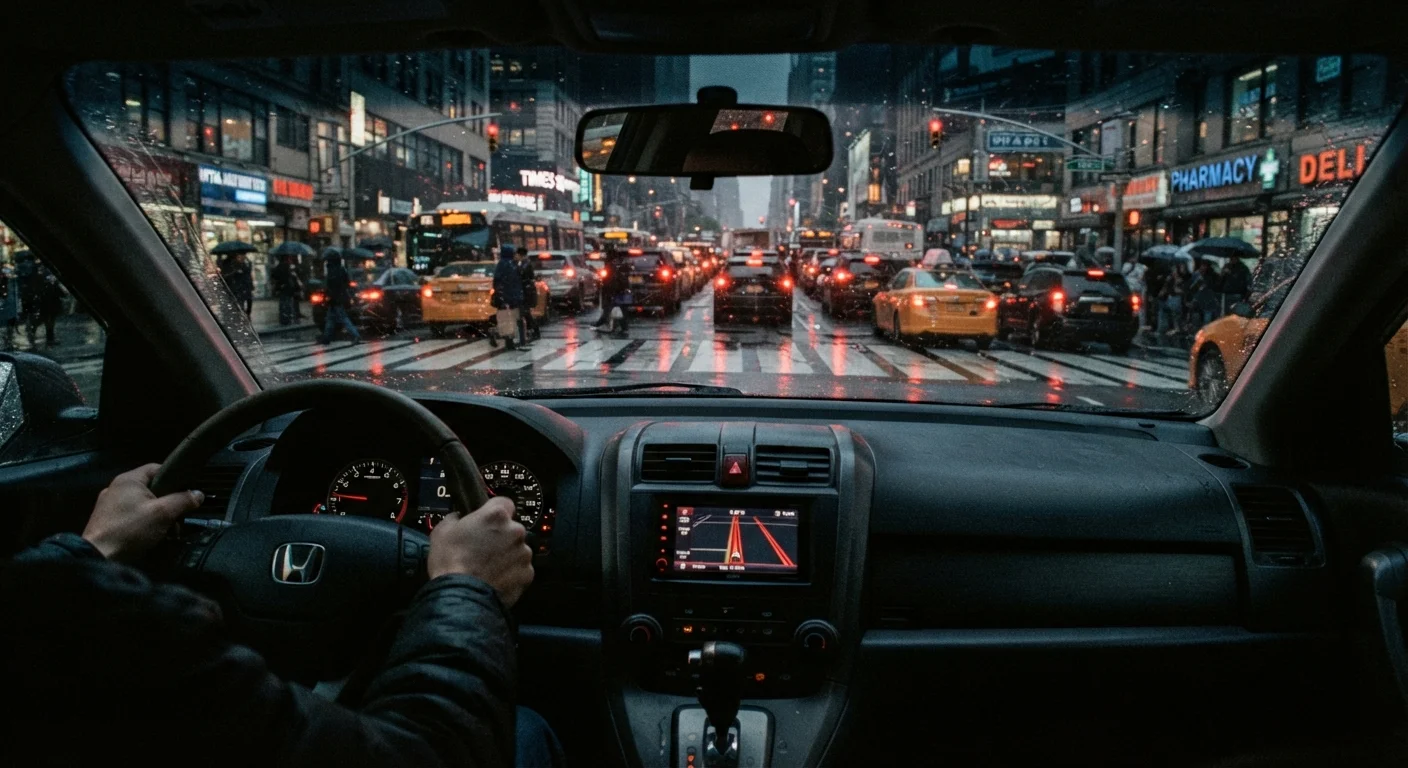
Photo: NemoFinds.com | Search, Explore, Read. editorial
Key Takeaways
- Road rage is a serious traffic safety issue linked to crashes, injuries, and fatalities — not just bad manners.
- Common triggers include traffic delays, perceived slights, and pre-existing stress from outside the vehicle.
- Aggressive driving behaviors like tailgating and sudden lane changes significantly raise crash risk.
- De-escalation is the safest response — avoid eye contact, don't retaliate, and create distance.
- Your own driving habits can reduce the chance of provoking or being drawn into a road rage incident.
More Than a Bad Mood Behind the Wheel
Every driver has felt frustration behind the wheel — someone cuts you off, traffic stalls without explanation, or a driver ahead sits through a green light. That frustration is normal. Road rage is something different: it's when frustration converts into deliberate aggression that puts lives at risk.
According to the AAA Foundation for Traffic Safety, a large majority of US drivers report experiencing some form of aggressive driving in a given year, and a meaningful share admit to having acted aggressively themselves. Road rage incidents have been associated with thousands of crashes, injuries, and fatalities annually. This is a safety issue with documented consequences — not a personality quirk.
Understanding what road rage actually is, what sets it off, and how to respond helps every driver make safer choices. See our complete reference to safe driving on US roads for a broader look at traffic safety fundamentals.
80%
Drivers reporting aggressive driving exposure
AAA Foundation for Traffic Safety surveys consistently find that roughly 8 in 10 US drivers report experiencing anger, aggression, or road rage from another driver in a given year.
~56%
Drivers admitting to aggressive behavior
AAA Foundation research found that more than half of drivers surveyed admitted to engaging in at least one aggressive driving behavior, such as tailgating or yelling, in the past year.
Thousands
Annual crashes linked to aggressive driving
The NHTSA attributes thousands of crashes and hundreds of fatalities each year to aggressive driving behaviors associated with road rage incidents.
What Triggers Aggressive Driving
Road rage rarely comes from nowhere. Researchers have identified a consistent set of contributing factors:
- Traffic congestion: Slow or stop-and-go conditions amplify impatience and lower frustration tolerance.
- Perceived disrespect: Actions like tailgating, cutting off, or failing to signal are often interpreted as deliberate slights — even when accidental.
- Running late: Time pressure increases stress and narrows a driver's focus, making minor incidents feel far more personal.
- Pre-existing stress: Anger from work, home, or other stressors frequently transfers into the driving environment.
- Anonymity: The physical separation inside a vehicle can reduce a driver's normal social inhibitions, enabling behavior they wouldn't display face-to-face.
Recognizing these triggers is useful for self-awareness. If you're already tense before you start the car, your threshold for reactive behavior is already lower.
Give Yourself a Time Buffer
How Road Rage Escalates — and Why It's Dangerous
Road rage typically follows a recognizable pattern: a minor incident occurs, one driver reacts with aggression, the other responds in kind, and the exchange escalates rapidly. What begins as a honked horn can end in a collision, a physical confrontation, or worse.
The driving behaviors associated with road rage — tailgating, rapid lane changes, brake-checking, and running red lights — are independently dangerous regardless of intent. They dramatically reduce reaction time and increase the probability of a serious crash. The risk patterns new drivers face overlap significantly with aggressive driving habits, which is one reason inexperience and road rage can be a particularly dangerous combination.
Road rage incidents also affect cognitive performance. Anger narrows attention, impairs judgment, and reduces the likelihood that a driver will perceive hazards accurately — the same cognitive load that makes driver fatigue so dangerous.
How to Respond — and What to Avoid
If another driver is behaving aggressively, the goal is to disengage without escalating. Practical steps include:
- Do not make eye contact. Eye contact can be perceived as a challenge and intensify the confrontation.
- Avoid retaliating. Responding to a gesture, horn, or aggressive maneuver with one of your own keeps the cycle going.
- Create distance. Slow down, change lanes, or take an exit to put space between you and the aggressive driver.
- Don't go home. If you believe you're being followed, drive to a populated public place or a police station and call 911.
- Stay calm and give the benefit of the doubt. Many aggressive driving behaviors are accidental. Assuming bad intent turns minor events into confrontations.
Managing your own state matters just as much. Building extra time into your commute, listening to calming audio, and genuinely accepting that delays are largely outside your control can all reduce the emotional fuel road rage needs. The same mental discipline that helps drivers stay composed in bad weather without panicking applies here.
Road Rage Can Be a Legal Matter
This article is for general informational purposes only. For specific safety, legal, or mental health concerns related to road rage, consult a qualified professional.
Frequently Asked Questions
The content on this site is for informational purposes only and is not a substitute for professional advice. Always consult a qualified professional for guidance specific to your situation.