
When New Drivers Get Into Trouble: Patterns Worth Understanding

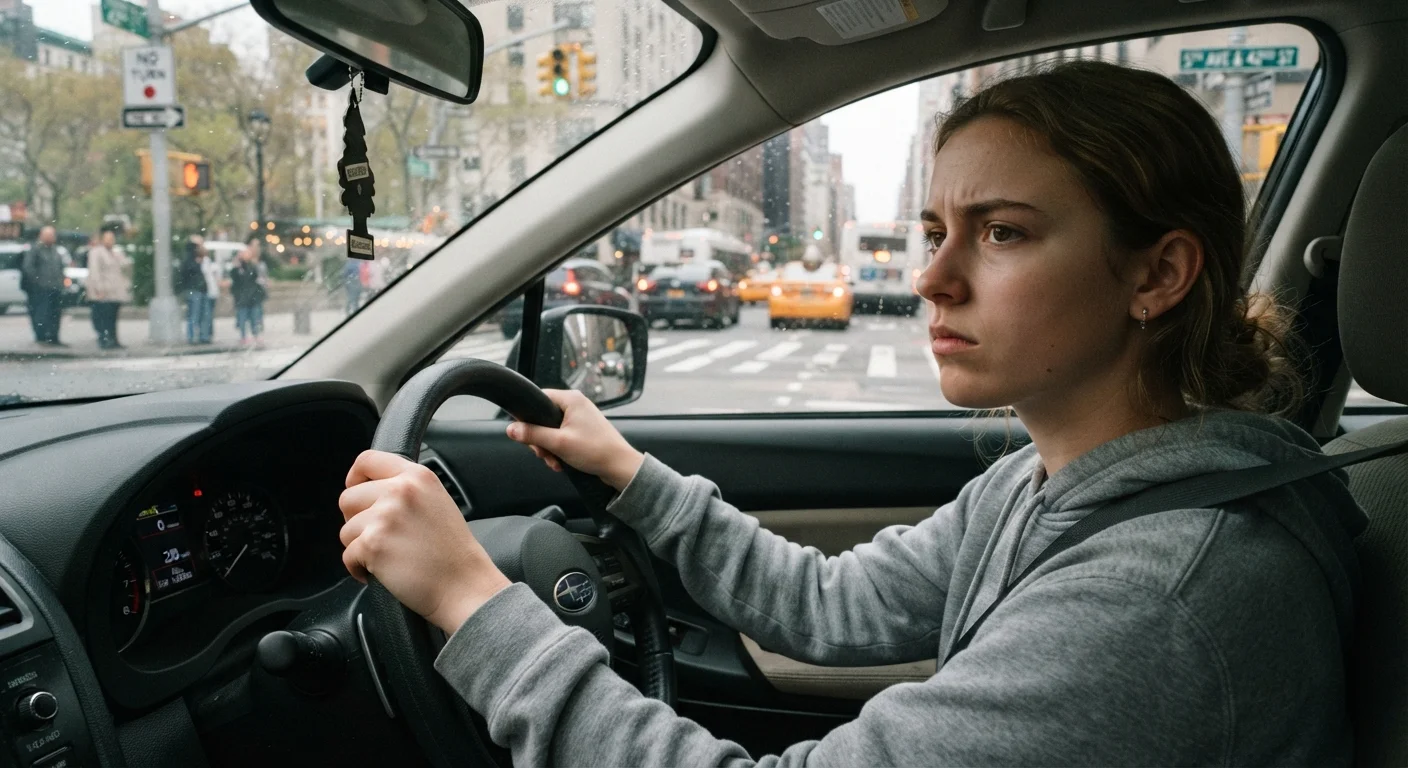
Photo: NemoFinds.com | Search, Explore, Read. editorial
Key Takeaways
- New drivers are significantly overrepresented in crash statistics during their first 12 months of independent driving.
- Overconfidence, poor visual scanning, and following too closely are the most common contributing factors.
- Most new-driver errors are predictable patterns — recognizing them early makes them easier to correct.
- Deliberately practicing defensive habits from day one reduces risk before bad patterns become automatic.
Why the First Year Is the Riskiest
Getting a license marks the end of supervised practice — but it does not mark the end of learning. Research from the Insurance Institute for Highway Safety (IIHS) consistently shows that crash rates among newly licensed drivers are highest in the first six to twelve months of independent driving. The reasons are not recklessness alone. Most new-driver errors stem from gaps in what experts call automaticity — the ability to handle routine driving tasks without using up active mental effort.
Experienced drivers scan intersections, judge gaps in traffic, and modulate braking largely on autopilot. New drivers are still building those mental programs. That cognitive load leaves less attention available for unexpected events. Understanding where that load concentrates — and where it causes errors — is the first step toward managing it. For a broader grounding in road rules and technique, see the Safe Driving on US Roads complete reference.
The Most Common Patterns — and How to Break Them
The mistakes below are not random. They cluster around specific situations and habits that driving instructors and crash researchers observe repeatedly. Each one is correctable once a driver knows what to look for.
Overconfidence after early uneventful trips.
Narrow visual focus — looking only at the car directly ahead.
Following too closely, especially at highway speeds.
Reacting slowly or incorrectly to merging and right-of-way situations.
Distraction from passengers, music, or a phone.
Braking too late or too abruptly when approaching stops.
~50%
Crash rate drop after first year
IIHS data indicates crash involvement rates for newly licensed teens drop substantially between the first and second year of independent driving.
3 seconds
Minimum recommended following gap
Traffic safety organizations widely recommend a minimum three-second following distance under normal conditions, extending to four or more in adverse weather.
Building Habits That Actually Stick
Awareness alone does not create safer driving — deliberate practice does. New drivers should treat every routine trip as structured practice, not just transportation. Set a specific focus for each drive: one session on mirror checks at intersections, another on maintaining a consistent following gap. Following distance is one of the simplest habits to build consciously and one of the most protective.
Right-of-way scenarios — roundabouts, four-way stops, uncontrolled intersections — are another area where new drivers frequently hesitate or guess. Reviewing the rules before encountering them under pressure helps. The breakdown of right-of-way rules is a useful refresher.
Emotional State Affects New Drivers Disproportionately
Also worth noting: the first few months of driving come bundled with vehicle ownership responsibilities — insurance, registration, and understanding what your policy actually covers. If those elements are still unfamiliar, what first-time car owners need to know covers them clearly.
Finally, the habits that protect new drivers are the same habits that experienced drivers gradually let slip. Staying aware of that drift later in a driving career matters too — see safe driving habits experienced drivers often drop for context on how complacency develops over time.
The content on this site is for informational purposes only and is not a substitute for professional advice. Always consult a qualified professional for guidance specific to your situation.