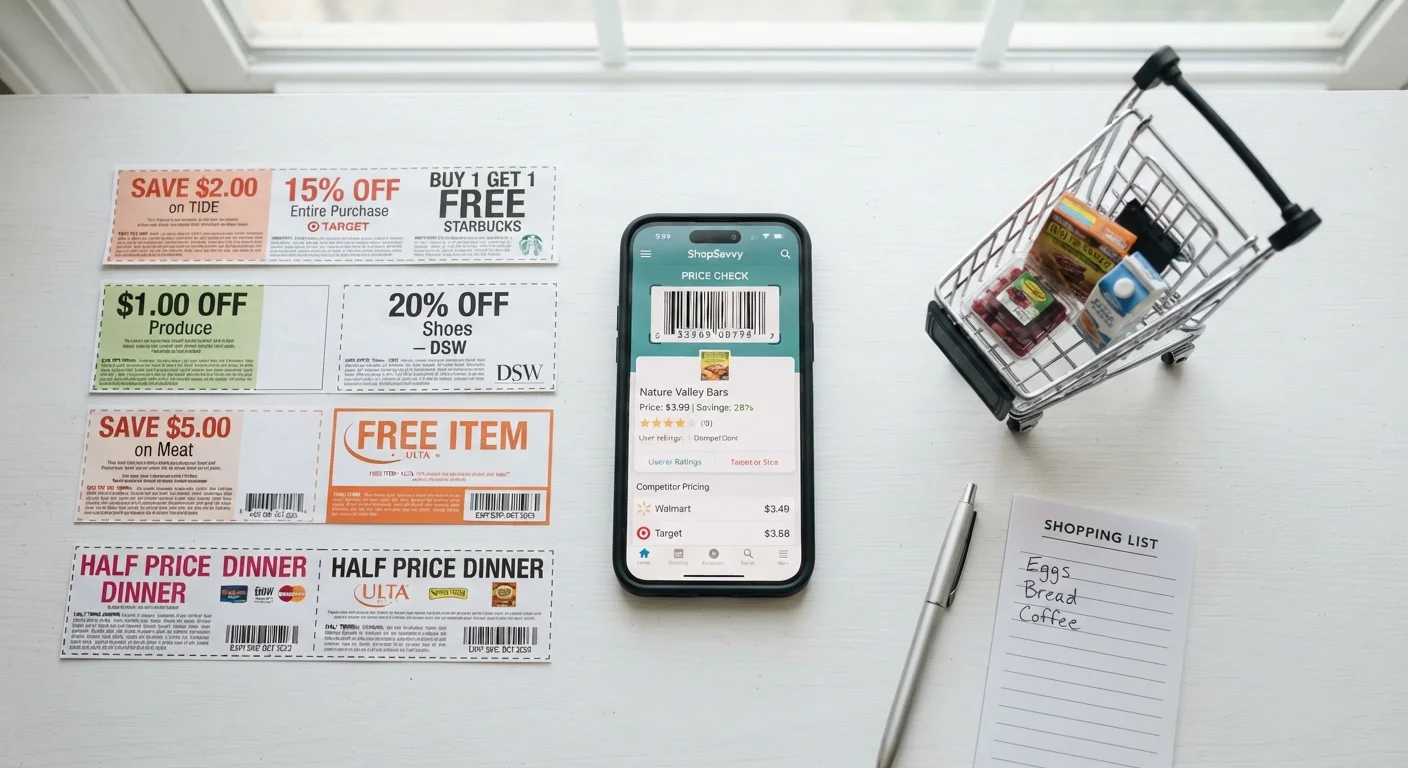
Before You Add to Cart: A Pre-Purchase Checklist

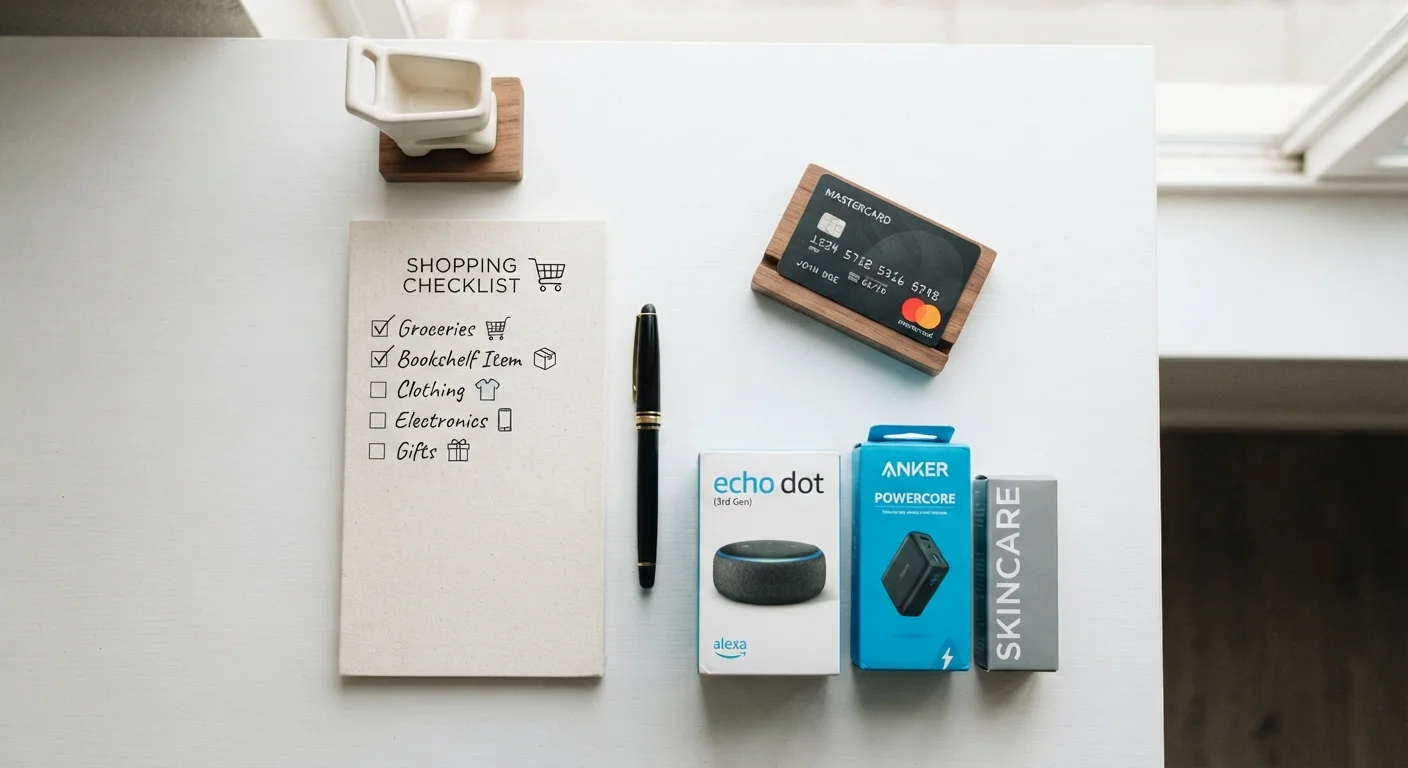
Photo: NemoFinds.com | Search, Explore, Read. editorial
Key Takeaways
- Most buyer's remorse traces back to skipping a few simple pre-purchase questions.
- Confirming need, budget fit, and return conditions takes less than five minutes and can save far more.
- Checking alternatives — including secondhand options — often reveals better value for the same outcome.
- Return policies vary widely; reading them before buying protects you from costly surprises.
- A short waiting period frequently changes the final decision on non-urgent purchases.
Why a Pre-Purchase Checklist Matters
Most spending regret doesn't happen because people make obviously bad decisions. It happens because they skip a short, structured pause at the moment it matters most — right before the purchase. Excitement, convenience, and marketing pressure all push toward action. This checklist pushes back.
It works for a $40 kitchen gadget and a $400 appliance alike. The questions scale to the purchase size: spend 90 seconds on smaller items, a few more minutes on bigger ones. The goal isn't to kill the joy of shopping — it's to make sure what ends up in your home or hands actually earns its place there.
If you're outfitting a new living space and wondering what actually matters, this room-by-room priority guide can help you frame which purchases are foundational versus nice-to-have. And if you find yourself making a lot of buying decisions at once, brushing up on budgeting basics will help those choices fit a sustainable financial picture.
Clarifying the Need
Budget and Financial Fit
Alternatives and Research
Return and Risk Conditions
Handling the Toughest Moments: Impulse and Time Pressure
Two situations break most pre-purchase discipline: seeing something unexpectedly appealing and feeling like time is running out. Both are worth flagging because they're engineered to short-circuit deliberate thinking.
On impulse buys, the single most effective intervention is time. Research and everyday experience consistently suggest that desire fades quickly when it isn't acted on. Waiting 48 hours before buying something works more often than most people expect — and when the desire survives the wait, the purchase usually holds up too.
On return policies, don't assume generosity. Restocking fees, strict time windows, and receipt requirements are common and genuinely costly. Reading the return policy before you buy is one of the highest-value two-minute habits in smart shopping.
Countdown Timers and 'Low Stock' Alerts
Finally, if a new item might replace something that could be sourced secondhand, it's worth the comparison. Secondhand versus buying new covers more than price — condition variability, selection limits, and sustainability trade-offs all factor in. Similarly, if buying in larger quantities seems like a value play, bulk buying only pays off under specific conditions worth checking first.
Notepad or notes app
Jot down answers to checklist questions to externalize your thinking and prevent rationalization.
Calculator or budgeting app
Verify the true all-in cost and confirm it fits your current budget before committing.
Retailer's return policy page
Read and save the policy before purchase — not after you've already decided to return something.
Secondhand marketplace or refurbisher
Quickly check whether a like-new or refurbished version is available at meaningful savings.
The content on this site is for informational purposes only and is not a substitute for professional advice. Always consult a qualified professional for guidance specific to your situation.