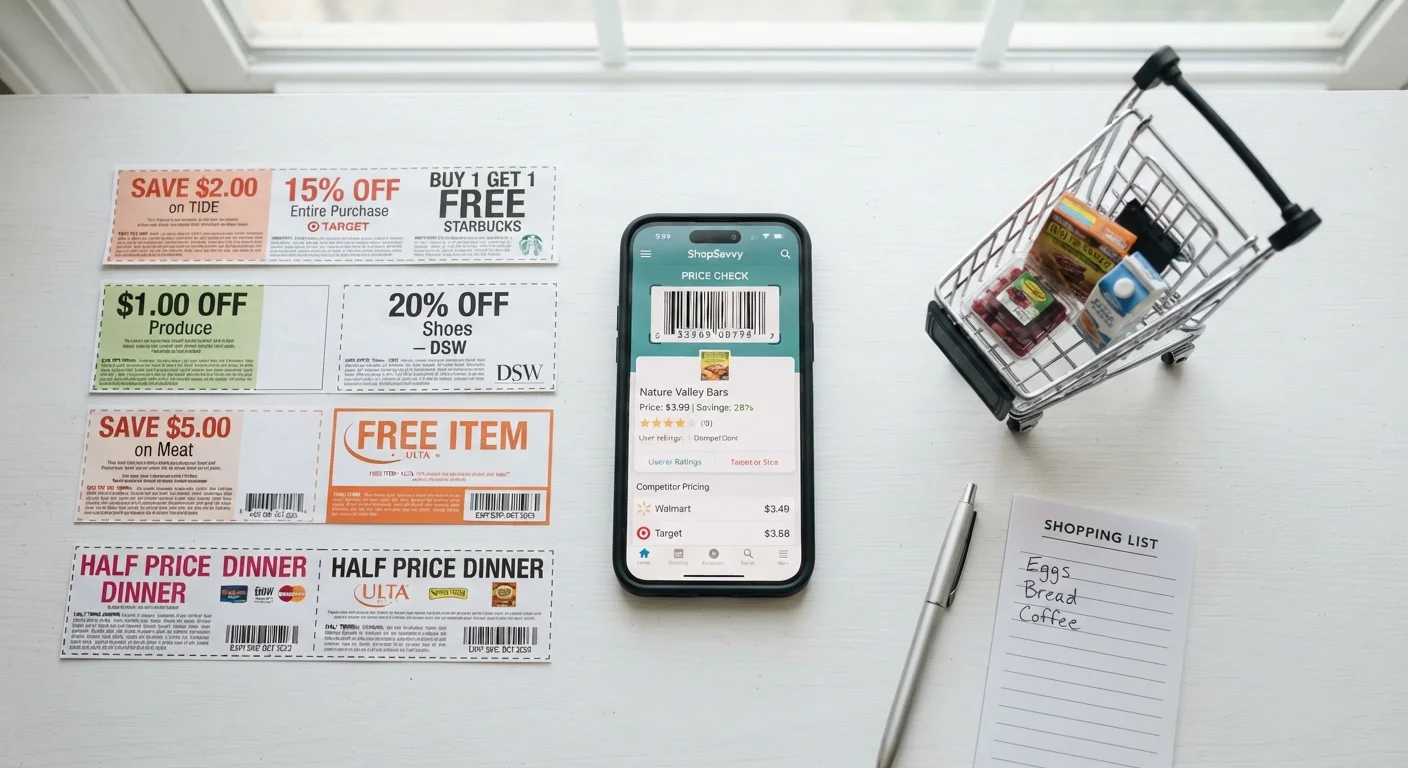
Why Waiting 48 Hours Before Buying Something Usually Changes the Decision

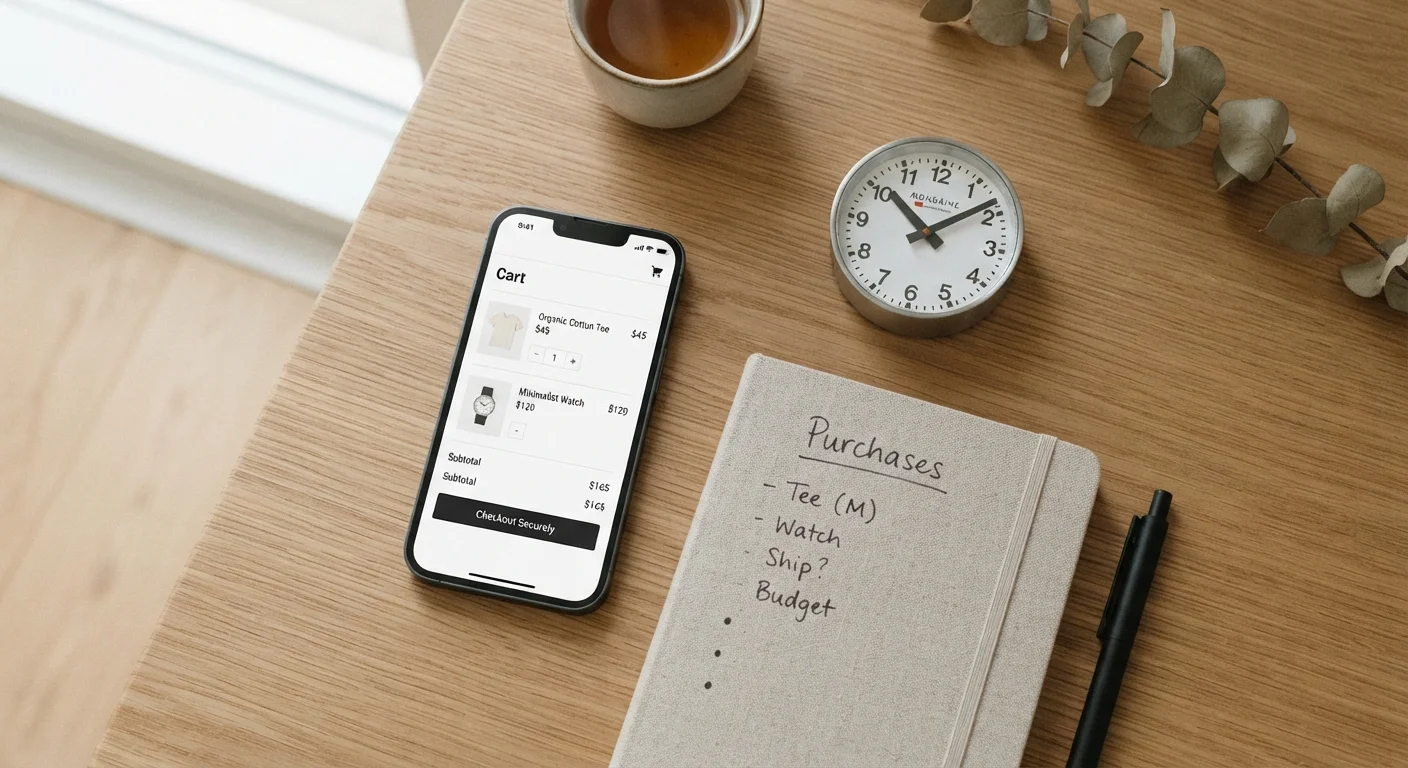
Photo: NemoFinds.com | Search, Explore, Read. editorial
Key Takeaways
- Impulse purchases are often driven by emotion rather than genuine need.
- A 48-hour delay gives your brain time to move past initial excitement.
- Most items feel less urgent — or unnecessary — after a short waiting period.
- The rule works best for non-essential, mid-to-large purchases.
- Some purchases genuinely don't need a delay — knowing when to skip it matters too.
Why Impulse Purchases Feel So Justified In the Moment
In-the-moment buying feels rational because your brain is actively supplying reasons for it. You've spotted something that sparks interest, and immediately a cascade of justifications follows: you deserve it, you'll use it constantly, the timing is right. This isn't a personal failing — it's a documented feature of how purchasing decisions get made under emotional activation.
The problem is that the reasoning generated in that state tends to serve the impulse rather than evaluate it honestly. Studies in behavioral economics consistently show that people overestimate how much future satisfaction a purchase will deliver, a phenomenon sometimes called the 'impact bias.' The item feels more significant in anticipation than it typically turns out to be in use.
Common shopping myths reinforce this loop — the idea that a good deal must be acted on immediately, or that buying more inherently means saving more, keeps many shoppers in a reactive posture rather than a deliberate one.
“The gap between stimulus and response is where our freedom lies. In purchasing decisions, that gap is something you can deliberately widen.”
— Dan Ariely, Behavioral economist and author of 'Predictably Irrational'
What Actually Happens to Your Thinking After 48 Hours
Waiting two days doesn't require willpower indefinitely — it just requires breaking the moment of peak desire. Once you close the browser tab or walk away from the store, the emotional charge around a potential purchase starts to dissipate on its own. What felt urgent at 8pm on a Tuesday often feels optional by Thursday morning.
This shift happens because the prefrontal cortex — the part of the brain involved in longer-term planning and consequence evaluation — gets more input when you're not in an activated, excited state. You start asking different questions: Do I have space for this? Do I already own something similar? What would I actually use this for?
~40%
Of purchases described as impulse buys
Research cited by the Journal of Consumer Psychology suggests roughly four in ten purchases are made impulsively, without prior planning.
~88%
Of impulse buyers report post-purchase regret
A survey by Slickdeals (2022) found the large majority of US shoppers who make impulse purchases later feel regret about at least some of them.
The pre-purchase checklist approach works on a similar principle: structured questions slow you down enough to access more deliberate reasoning, rather than defaulting to gut-level enthusiasm.
When the Rule Is Worth Skipping
The 48-hour rule is a tool, not a law. There are situations where applying it doesn't add value and may create unnecessary inconvenience. If an appliance you rely on daily breaks down, waiting two days isn't a thoughtful pause — it's just a delay to a necessary purchase. The same applies to work equipment, safety items, or anything with a genuine functional deadline.
The rule also doesn't need to apply to low-cost consumables you buy regularly, or to purchases you've already researched thoroughly over time and are simply executing. The goal is to interrupt reactive spending, not considered spending.
Set Your Own Dollar Threshold
A practical approach: set a personal dollar threshold — many people use somewhere between $25 and $75 — and apply the rule automatically to any discretionary purchase above it. Below that line, your judgment call is probably fine. Above it, the two-day pause tends to earn its keep.
Building consistent habits around spending decisions connects to broader financial behavior. The same patience that prevents a regrettable impulse purchase is a useful quality in longer-term financial decisions as well.
Making the Habit Stick in Practice
The simplest implementation is removal: don't save items to a wishlist where they stay visible and tempting — just close the tab entirely. If you remember the item in 48 hours and seek it out again, that's a meaningful signal. If you forget it existed, the rule has already done its job.
For online shopping, browser extensions that add a mandatory delay to cart checkouts exist, though the low-tech version — a notes app where you log items you're considering — works just as well and forces you to articulate why you want something. Writing it down briefly tends to expose fuzzy reasoning that felt solid in the moment.
Shoppers working with a fixed budget often find that this single habit reduces unplanned spending more reliably than detailed budget tracking, because it addresses the decision at the source rather than after the fact. See also when bulk buying actually saves money for another angle on deliberate spending choices.
Frequently Asked Questions
The content on this site is for informational purposes only and is not a substitute for professional advice. Always consult a qualified professional for guidance specific to your situation.