Buying in Bulk: When the Warehouse Price Is Actually Worth It

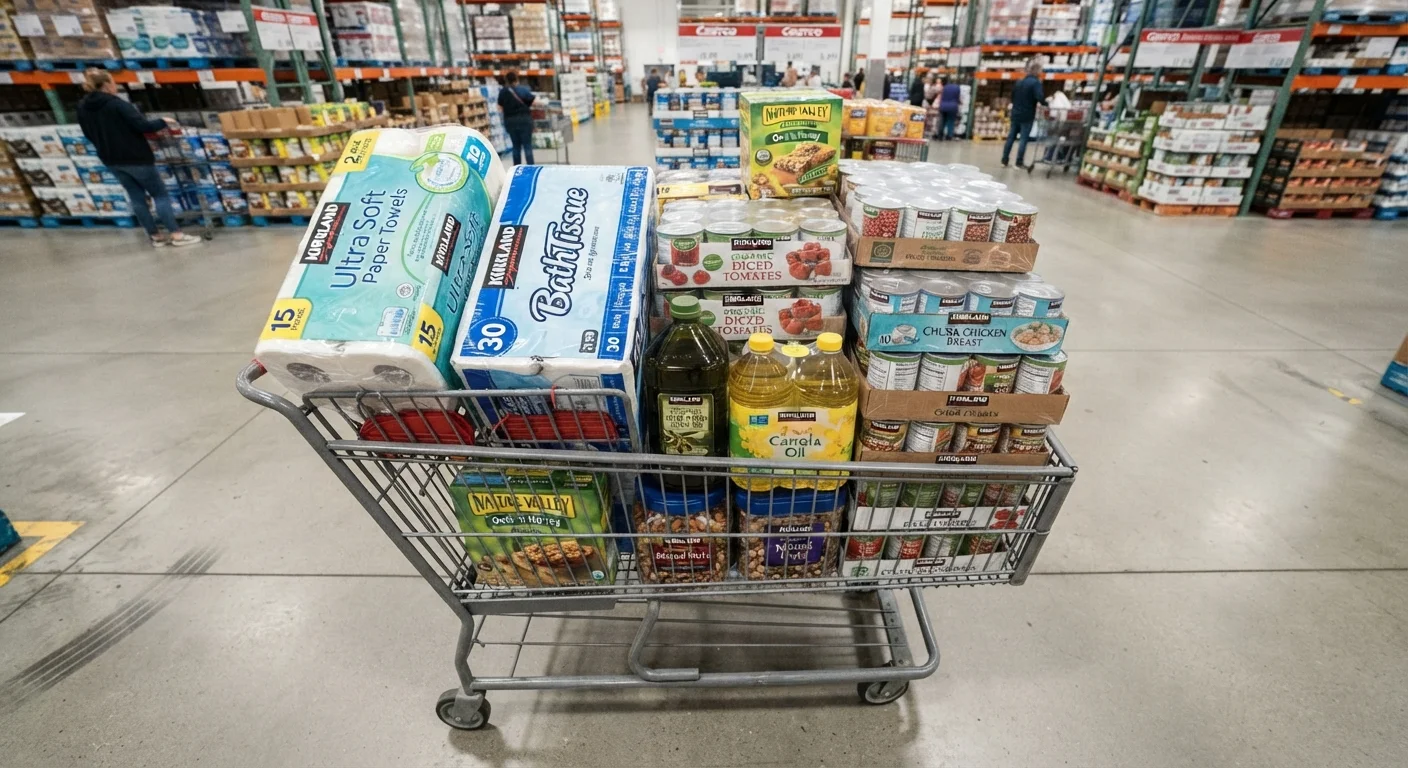
Photo: NemoFinds.com | Search, Explore, Read. editorial
Key Takeaways
- Unit price is the only fair comparison — always calculate cost per ounce, sheet, or use.
- Shelf life and household consumption rate determine whether bulk purchases save or waste money.
- Storage space has a real cost; factor it into any bulk-buying decision.
- Membership fees change the math — confirm net savings before renewing annually.
- Perishables, trend-sensitive, and single-use items are rarely good bulk candidates.
Lower cost per unit on staple items
Warehouse pricing typically offers meaningful per-unit savings on non-perishable household goods compared to standard retail. The savings are most consistent on items with long shelf lives and stable demand.
Fewer shopping trips for staples
Stocking up on frequently used items reduces the number of routine shopping runs, saving time and potentially reducing impulse purchases made on each visit.
Price protection against short-term inflation
Buying ahead at a known price locks in cost before potential price increases on staples — a useful hedge for households on predictable budgets.
Reduced packaging waste per unit
Bulk items generally use less packaging relative to the quantity purchased, which can reduce household recycling volume and associated effort.
Upfront cash outlay is significantly higher
Even when unit prices are lower, the total transaction cost is much larger. For households managing cash flow carefully, this can strain a monthly budget regardless of long-run savings.
Perishables frequently go to waste
High quantities of fresh, refrigerated, or short-shelf-life items are a common source of waste in smaller households. Discarded food eliminates any unit-price advantage quickly.
Membership fees reduce net savings
Annual warehouse club memberships add a fixed cost that must be offset by actual savings to justify renewal. Low-volume bulk shoppers may not reach the breakeven threshold.
Storage requirements are easy to underestimate
Large quantities need appropriate space and conditions. Improper storage can shorten product life, and allocating significant home space to inventory has a real opportunity cost.
Preference or product changes create dead stock
Buying large quantities of an untested product or one susceptible to personal preference changes — cleaning products, snacks, personal care items — carries the risk of being stuck with an unwanted surplus.
The Core Logic of Bulk Buying
The promise of warehouse shopping is straightforward: buy more units in one transaction and pay less per unit. That math is real — but it only holds when every other variable in the equation cooperates. A lower unit price on 96 rolls of paper towels means nothing if you pay a $65 annual membership and store half the rolls in a hallway for eight months.
The honest framework is this: bulk buying is a volume discount, not a guaranteed deal. Before you load the flatbed cart, three questions deserve a direct answer:
- What is the actual unit price? Divide total cost by total quantity (ounces, sheets, count). Compare that figure against your regular grocery or drugstore receipt — not the retail price on the warehouse shelf tag.
- Will this be fully used before it expires or degrades? Estimate your household's realistic consumption rate, not an optimistic one.
- Do you have the storage space? Cramped, improper storage can damage products and ties up living space that has its own implicit cost.
Popular shopping beliefs like "buy more, save more" don't always survive contact with a calculator. Running the numbers first is non-negotiable.
Where Bulk Buying Genuinely Pays Off
Lower cost per unit on staple items
Warehouse pricing typically offers meaningful per-unit savings on non-perishable household goods compared to standard retail. The savings are most consistent on items with long shelf lives and stable demand.
Fewer shopping trips for staples
Stocking up on frequently used items reduces the number of routine shopping runs, saving time and potentially reducing impulse purchases made on each visit.
Price protection against short-term inflation
Buying ahead at a known price locks in cost before potential price increases on staples — a useful hedge for households on predictable budgets.
Reduced packaging waste per unit
Bulk items generally use less packaging relative to the quantity purchased, which can reduce household recycling volume and associated effort.
The categories that consistently reward bulk purchasing share two traits: long shelf life and stable, predictable demand. Toilet paper, paper towels, dish soap, laundry detergent, canned goods, dried pasta, cooking oil, and batteries are textbook examples. A household that goes through a large bottle of dish soap every three weeks will use a six-pack well before it degrades — and the unit savings are real.
Larger households benefit disproportionately because their consumption rate closes the gap between purchase volume and expiration date. A family of five using bulk breakfast cereal within a month is in a fundamentally different position than a single-person household with the same purchase.
Non-consumable staples — garbage bags, aluminum foil, plastic wrap, light bulbs — are also solid candidates. They don't spoil, and if storage is available, the savings accumulate without risk. For households managing a tight monthly budget, locking in a lower per-unit cost on items you'll definitely use is one of the more reliable ways to reduce routine spending.
Where Bulk Buying Quietly Costs You More
Upfront cash outlay is significantly higher
Even when unit prices are lower, the total transaction cost is much larger. For households managing cash flow carefully, this can strain a monthly budget regardless of long-run savings.
Perishables frequently go to waste
High quantities of fresh, refrigerated, or short-shelf-life items are a common source of waste in smaller households. Discarded food eliminates any unit-price advantage quickly.
Membership fees reduce net savings
Annual warehouse club memberships add a fixed cost that must be offset by actual savings to justify renewal. Low-volume bulk shoppers may not reach the breakeven threshold.
Storage requirements are easy to underestimate
Large quantities need appropriate space and conditions. Improper storage can shorten product life, and allocating significant home space to inventory has a real opportunity cost.
Preference or product changes create dead stock
Buying large quantities of an untested product or one susceptible to personal preference changes — cleaning products, snacks, personal care items — carries the risk of being stuck with an unwanted surplus.
Perishables are the most obvious trap. Produce, dairy, deli meats, and bakery items bought in bulk quantities frequently go to waste before a small or medium household can consume them. The money saved per pound is erased the moment a third of the purchase ends up in the trash. Food waste is a real budget leak — one that bulk-buying enthusiasm often papers over.
Trend-sensitive or preference-sensitive items are another common mistake. Buying 60 servings of a snack you've tried once, or a large quantity of a cleaning product you haven't tested at home, is a gamble. Tastes change, sensitivities surface, and products don't always perform as expected in your specific environment.
~30–40%
Average US household food waste by weight
USDA research suggests US households discard roughly 30–40% of the food supply, a figure that bulk over-purchasing can worsen for perishable categories.
15–20%
Typical unit-price savings in warehouse clubs
Consumer research has generally found warehouse club unit prices run 15–20% lower than grocery equivalents on comparable non-perishable items, before membership costs.
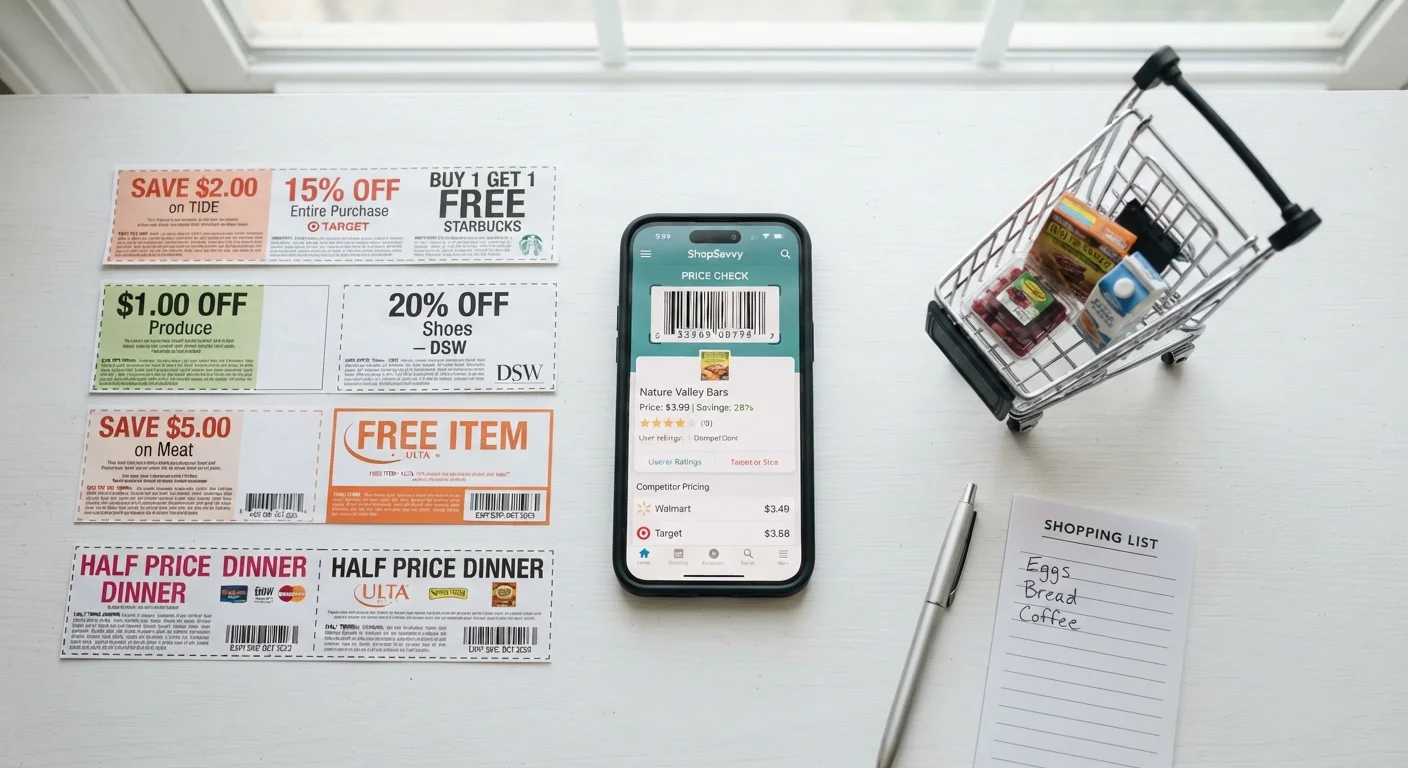
Membership fees deserve specific attention. If a household spends $300 annually on bulk goods and saves 15% versus retail, that's $45 in savings — which doesn't cover a $65 membership on its own. The savings math has to account for the full cost of access, not just the sticker-price difference per item. Running a simple pre-purchase check on membership value at renewal time is worth the ten minutes it takes.
The Variables That Shift the Calculation
Household size is the single biggest factor. Bulk quantities are calibrated for high consumption — the economics improve the more people are sharing the load. Conversely, a one- or two-person household should treat bulk purchases as the exception, not the default.
Storage quality matters too. Bulk pantry items stored in a humid garage, near heat sources, or in inadequate containers degrade faster, shortening the effective shelf life and narrowing the savings window. If bulk storage would require purchasing additional shelving or containers, factor that cost in.
Tracking Consumption Takes Less Effort Than You Think
It also helps to track what you actually use. Estimating consumption rate from memory tends to run optimistic. Keeping a simple log — even just noting when you finish a product — gives you real data to evaluate whether a bulk quantity fits your household's actual pace. This connects directly to budget habits that hold up over time: consistency beats occasional big-purchase guesses.
Finally, watch for shrinkflation in warehouse packaging. Bulk containers occasionally decrease in net weight or count without a corresponding price reduction. Always verify the unit price on the current package rather than assuming it matches what you paid on a prior visit.
The content on this site is for informational purposes only and is not a substitute for professional advice. Always consult a qualified professional for guidance specific to your situation.